🎉 Up to 70% Off Selected ItemsShop Sale
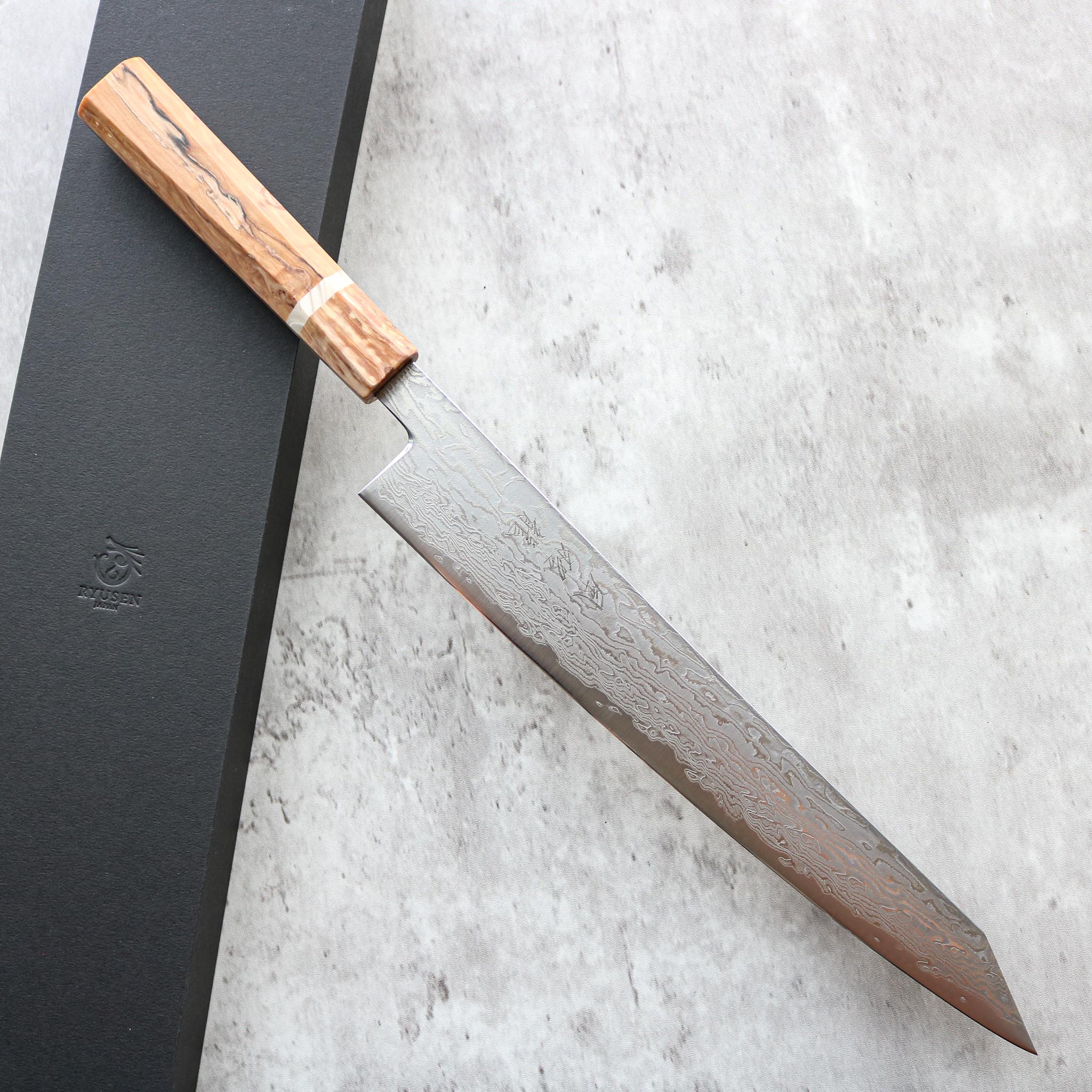
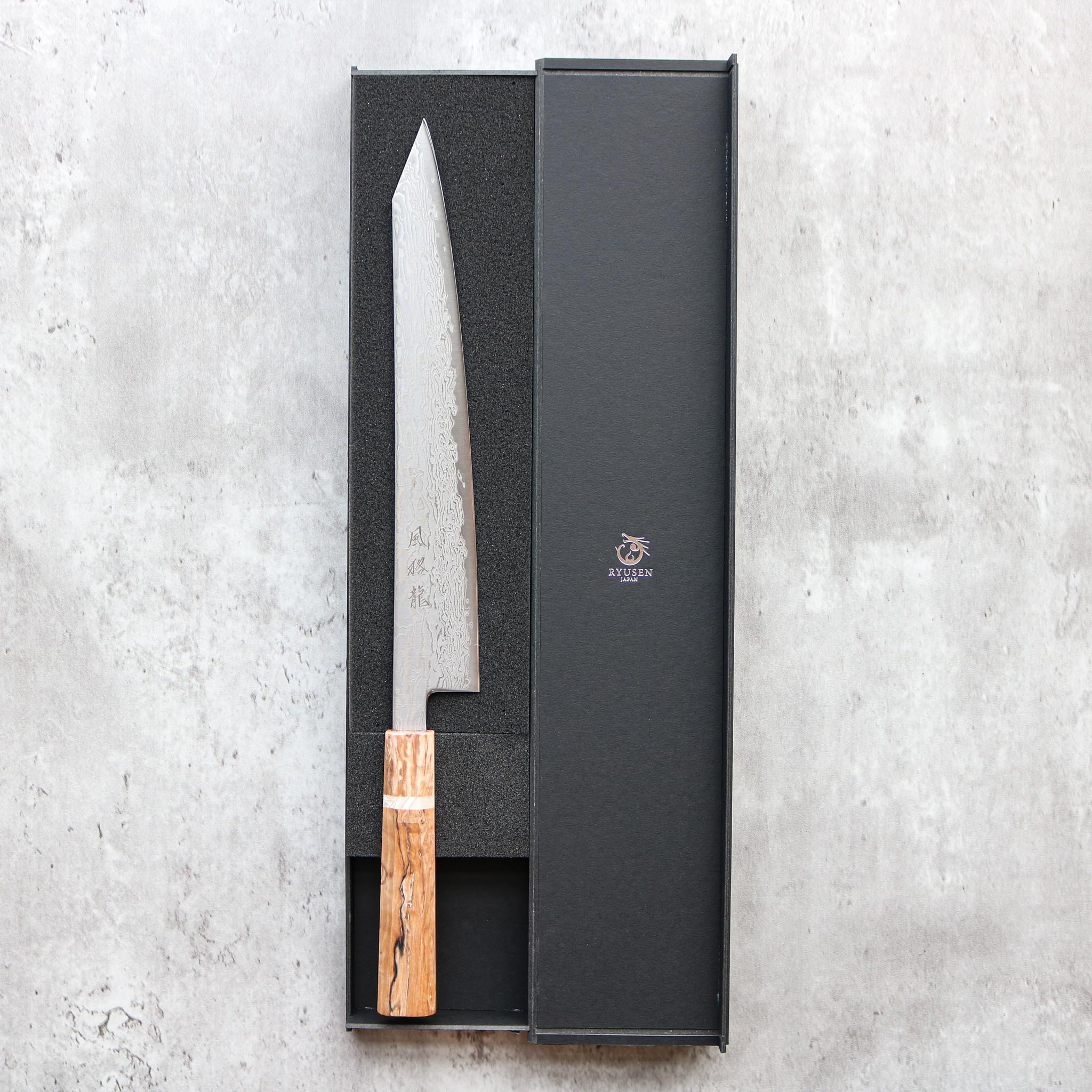
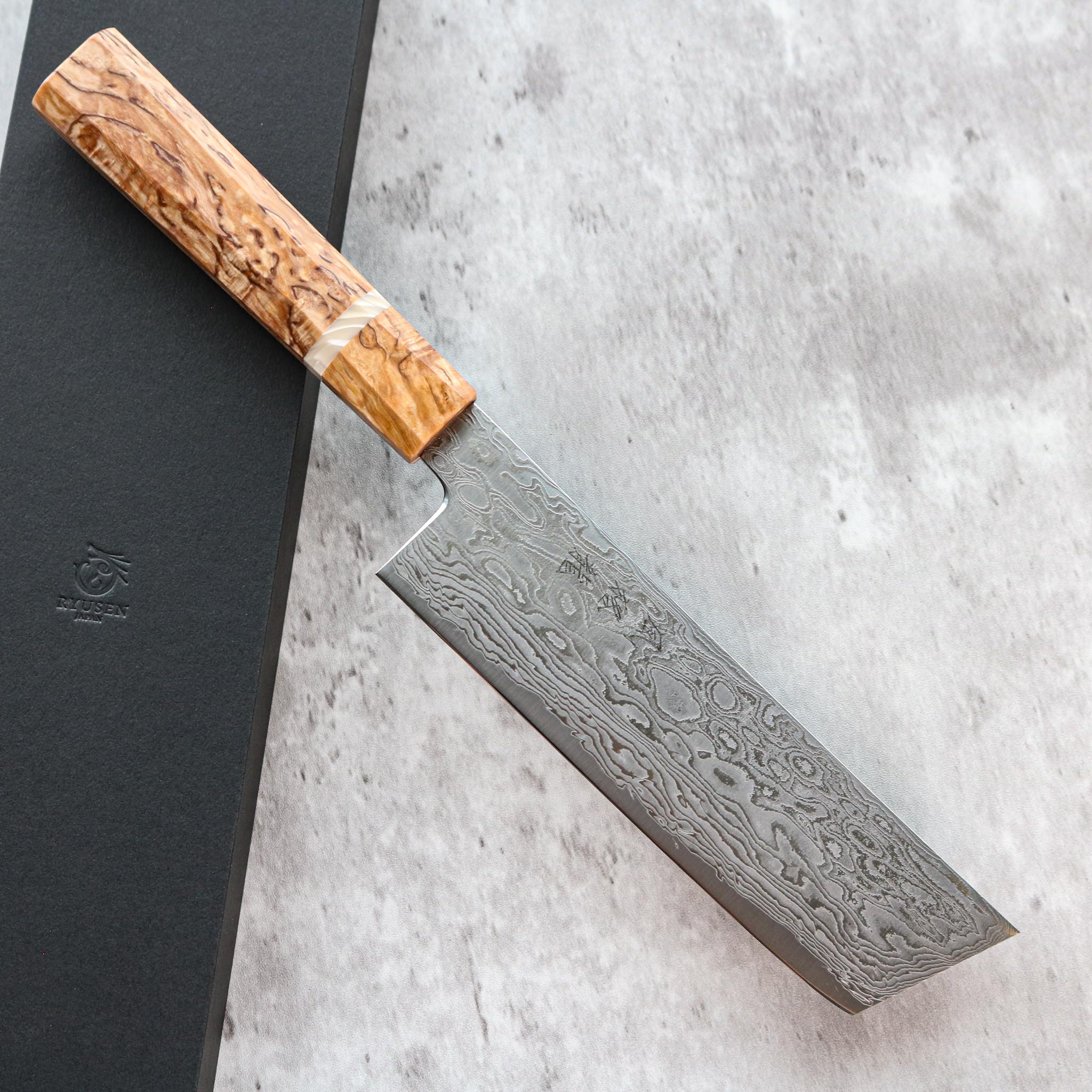
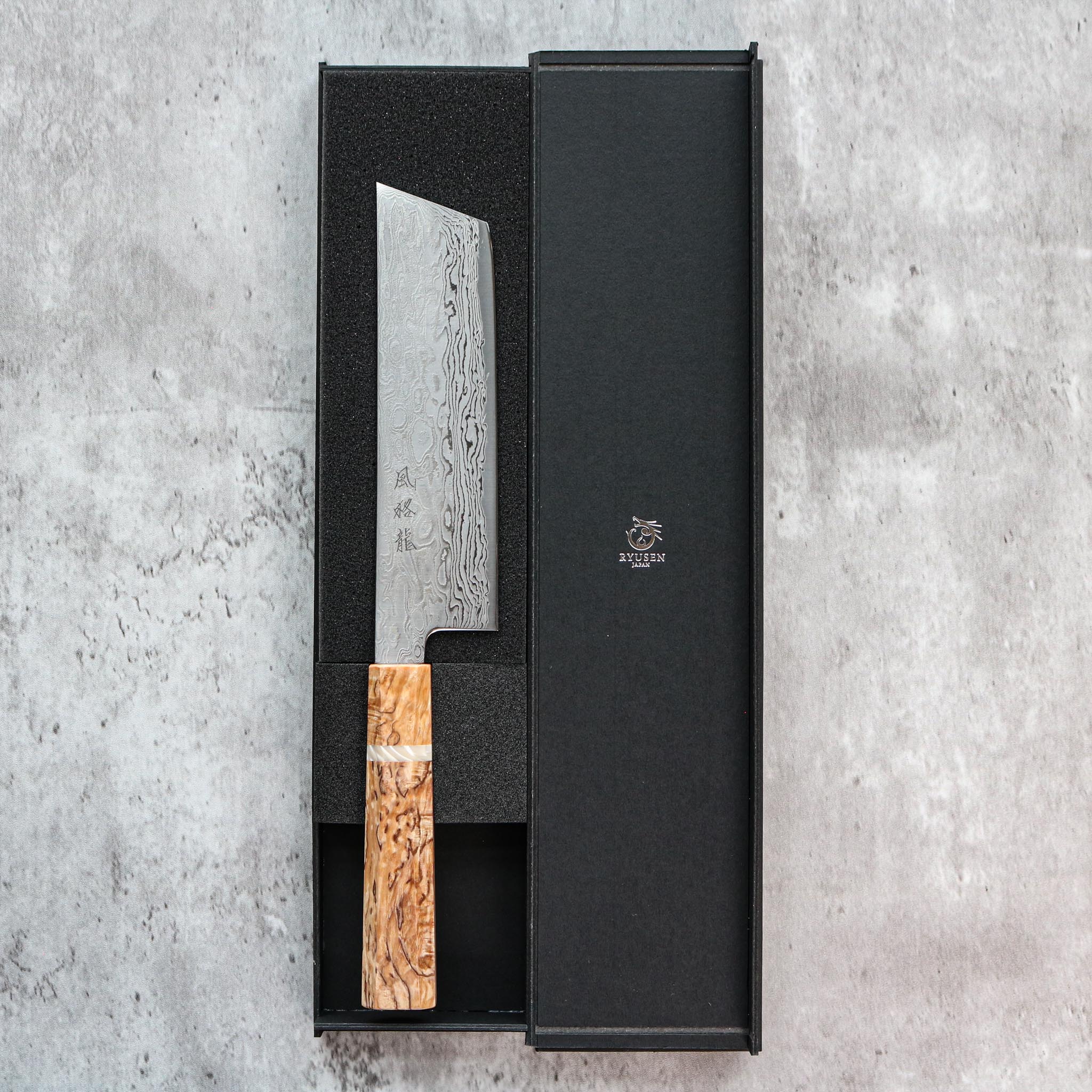
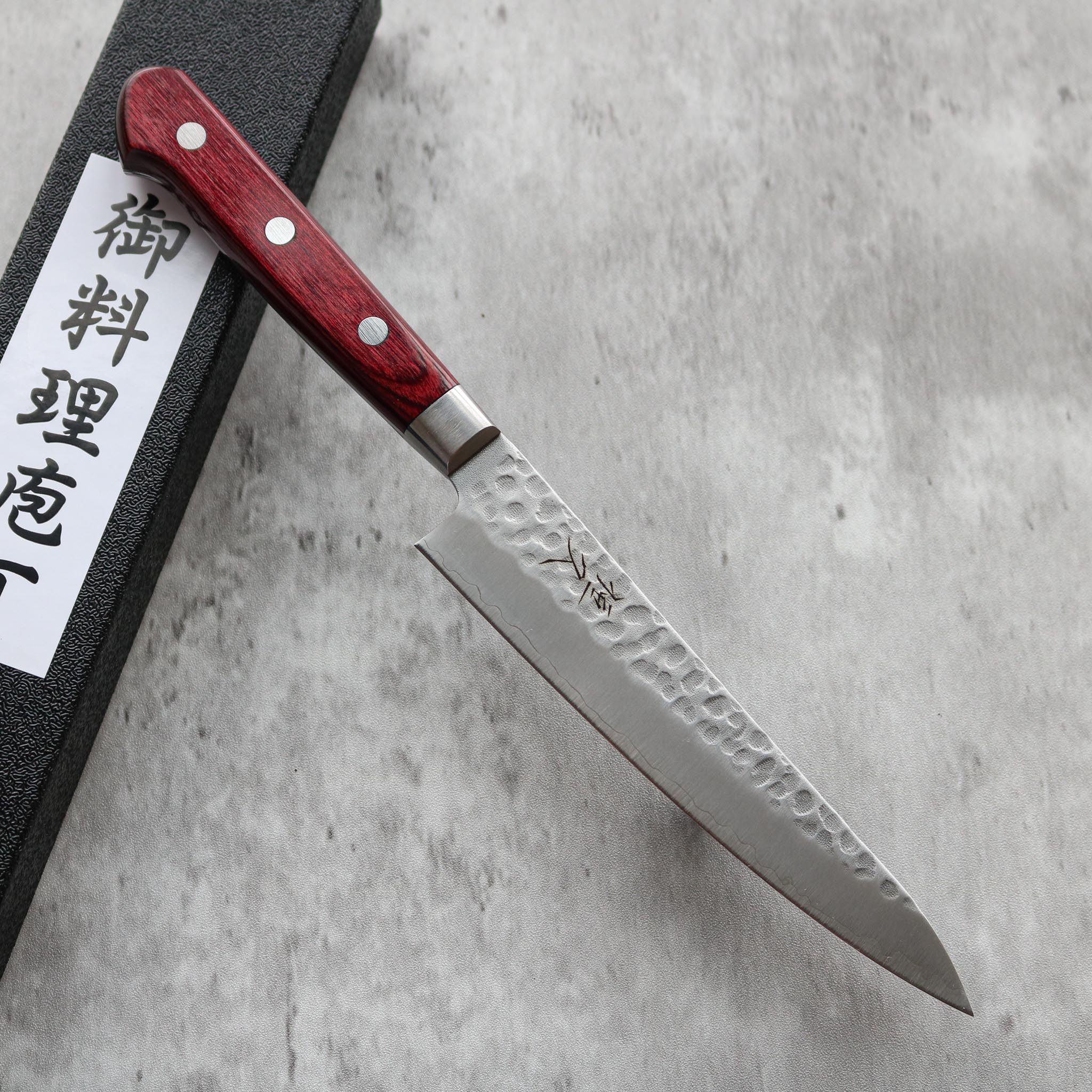
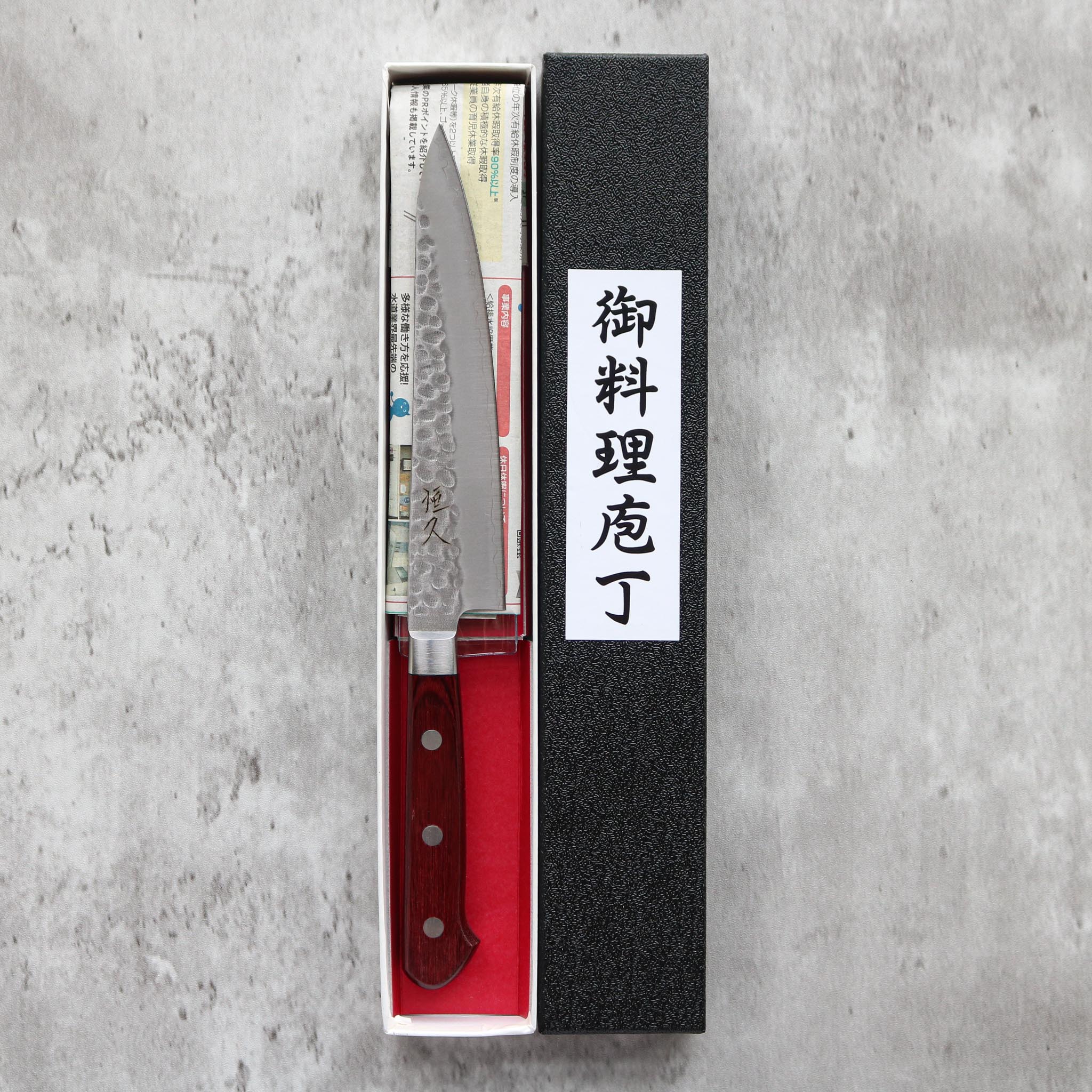
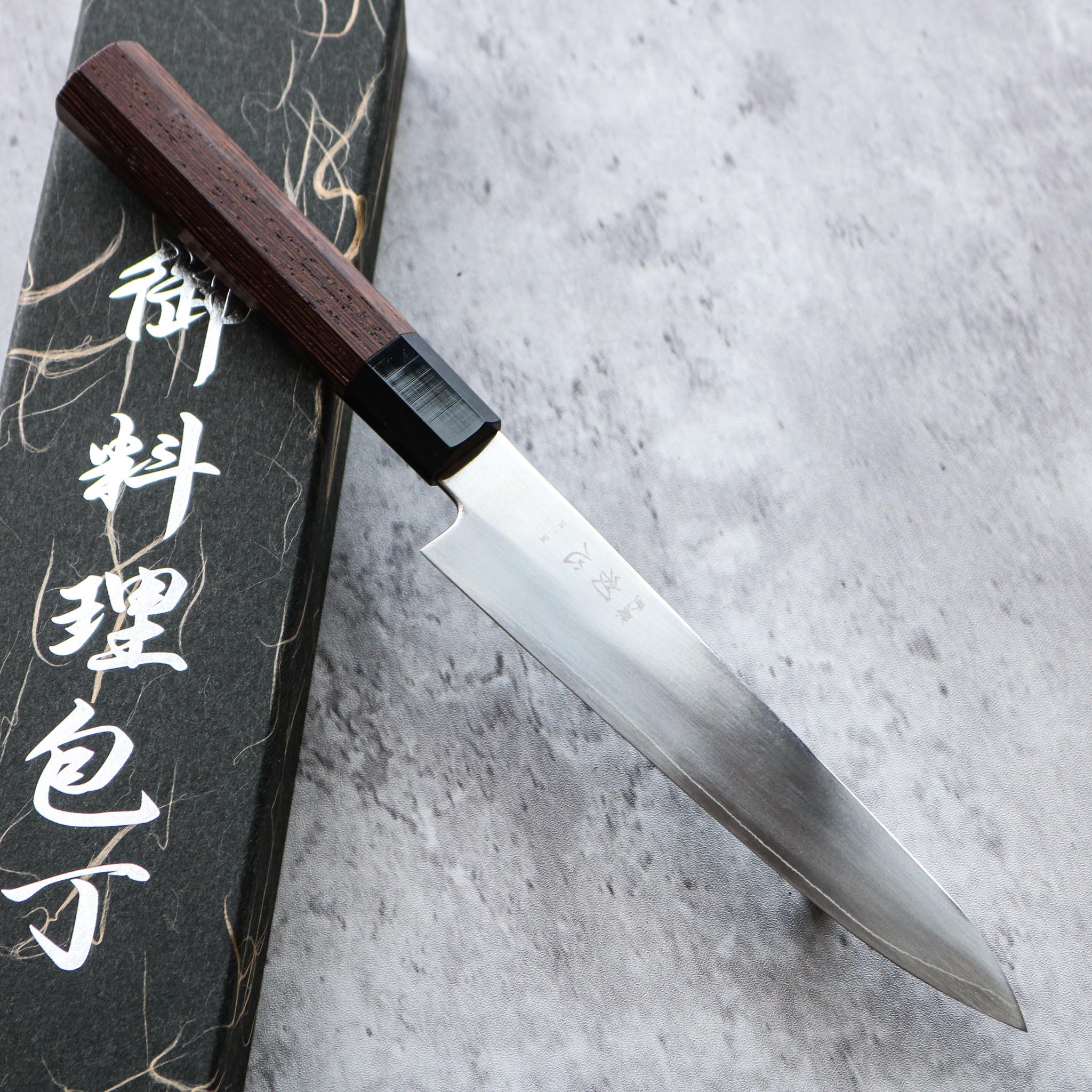
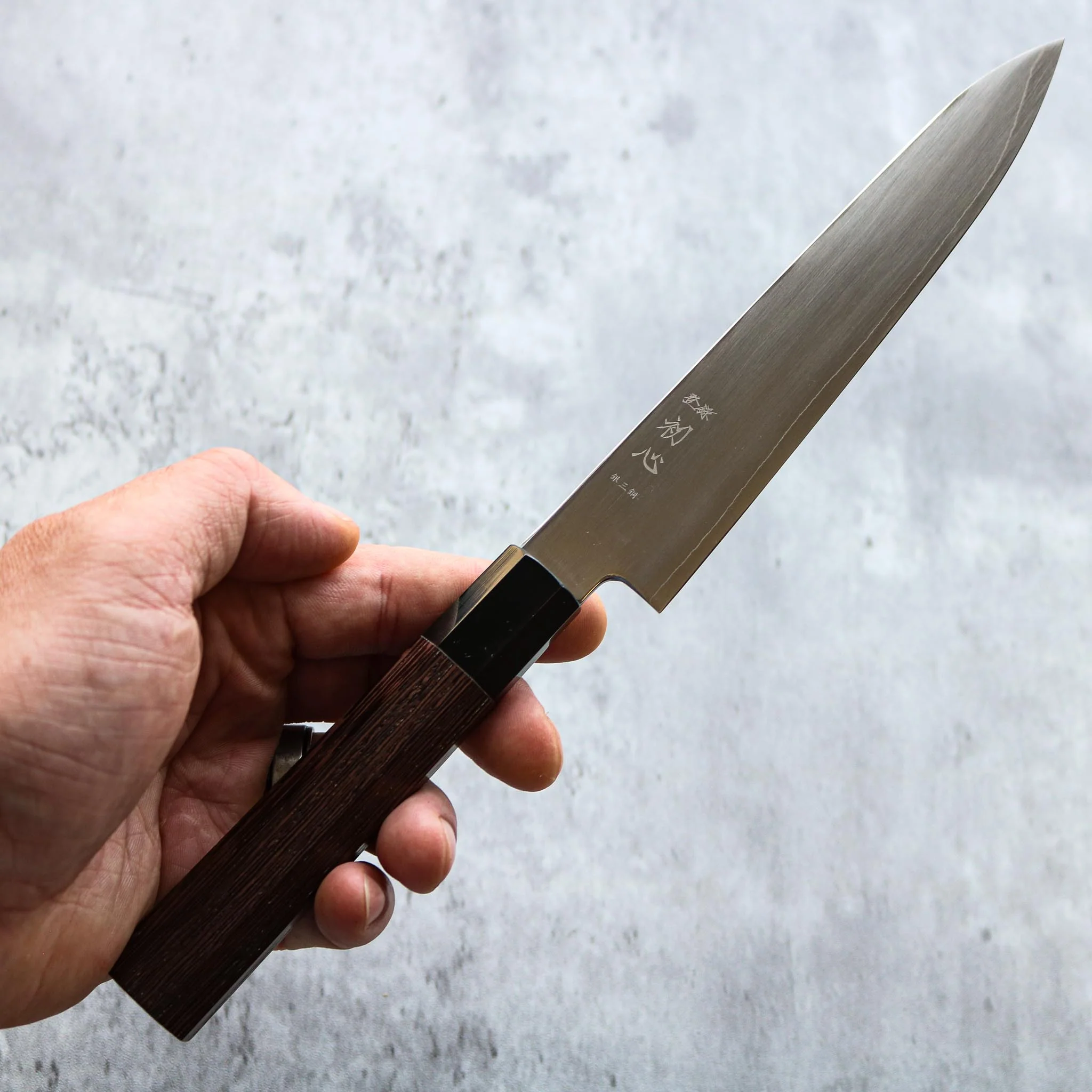
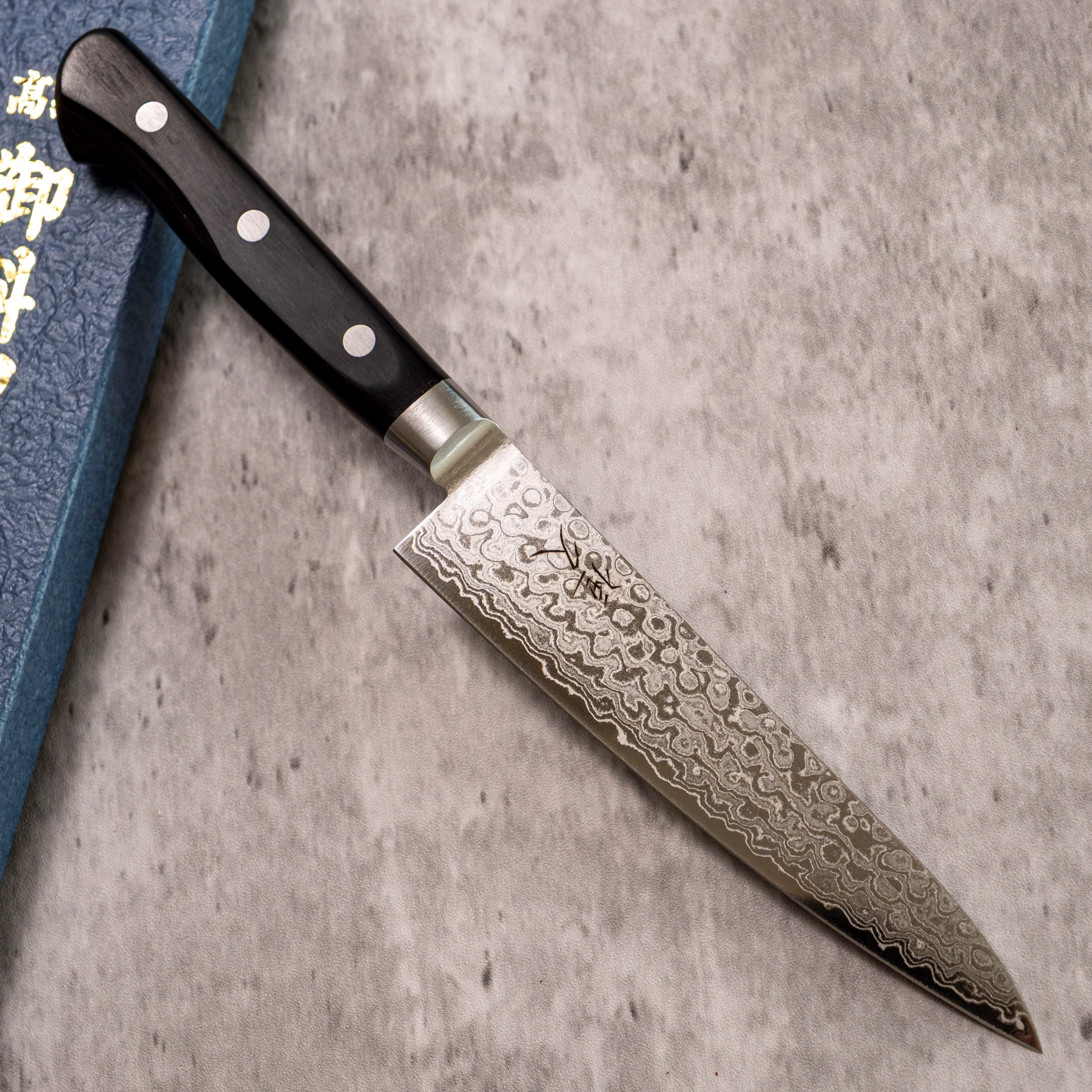
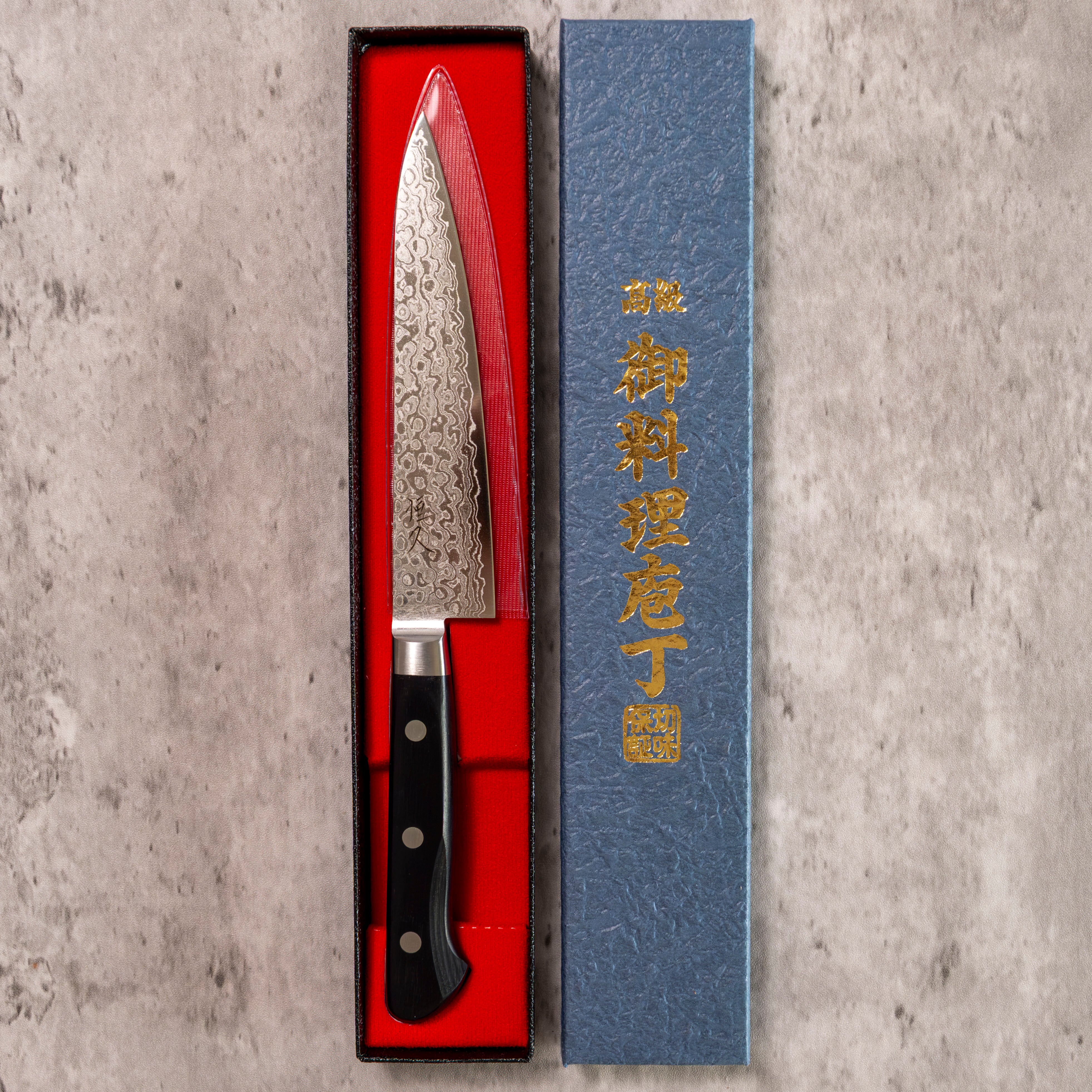
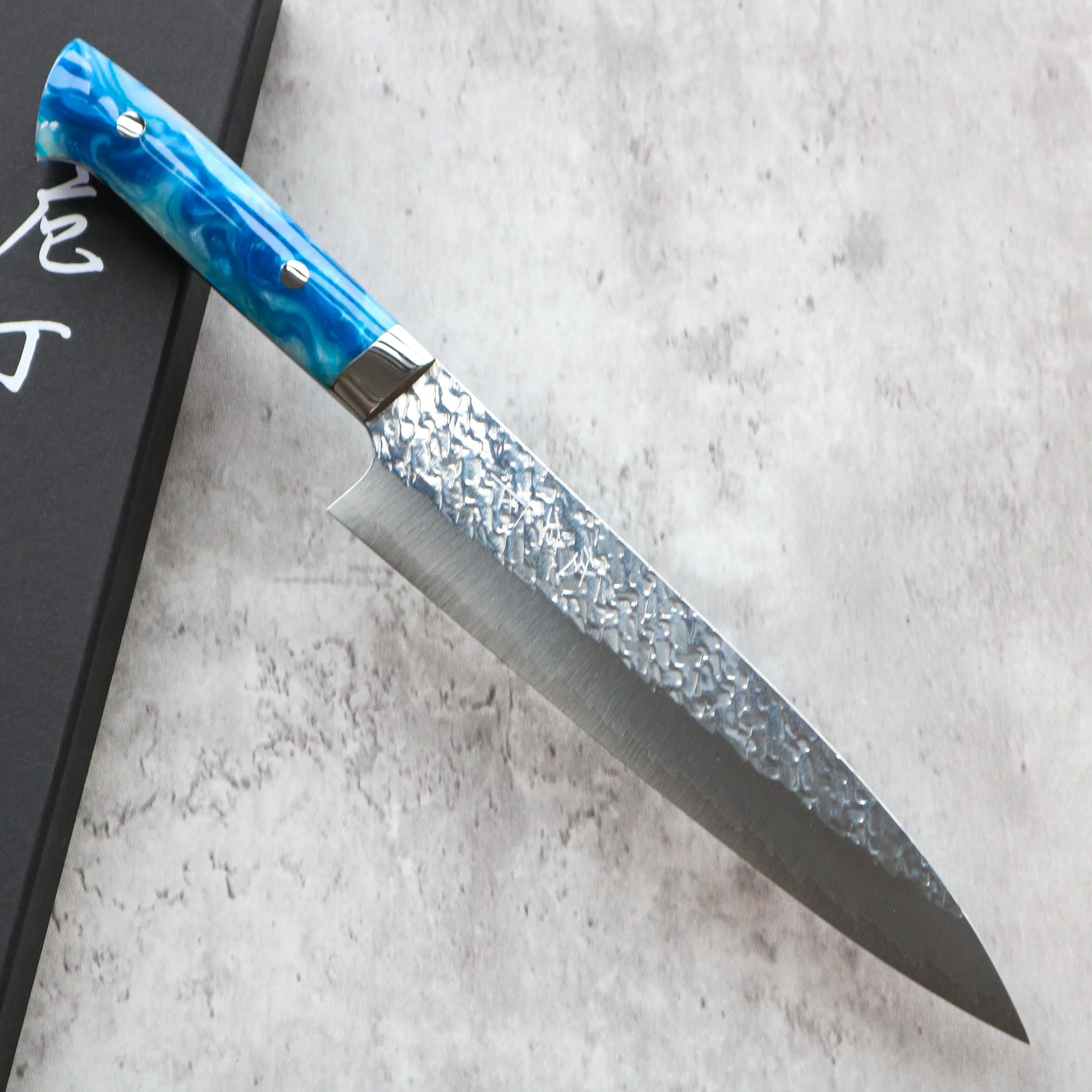
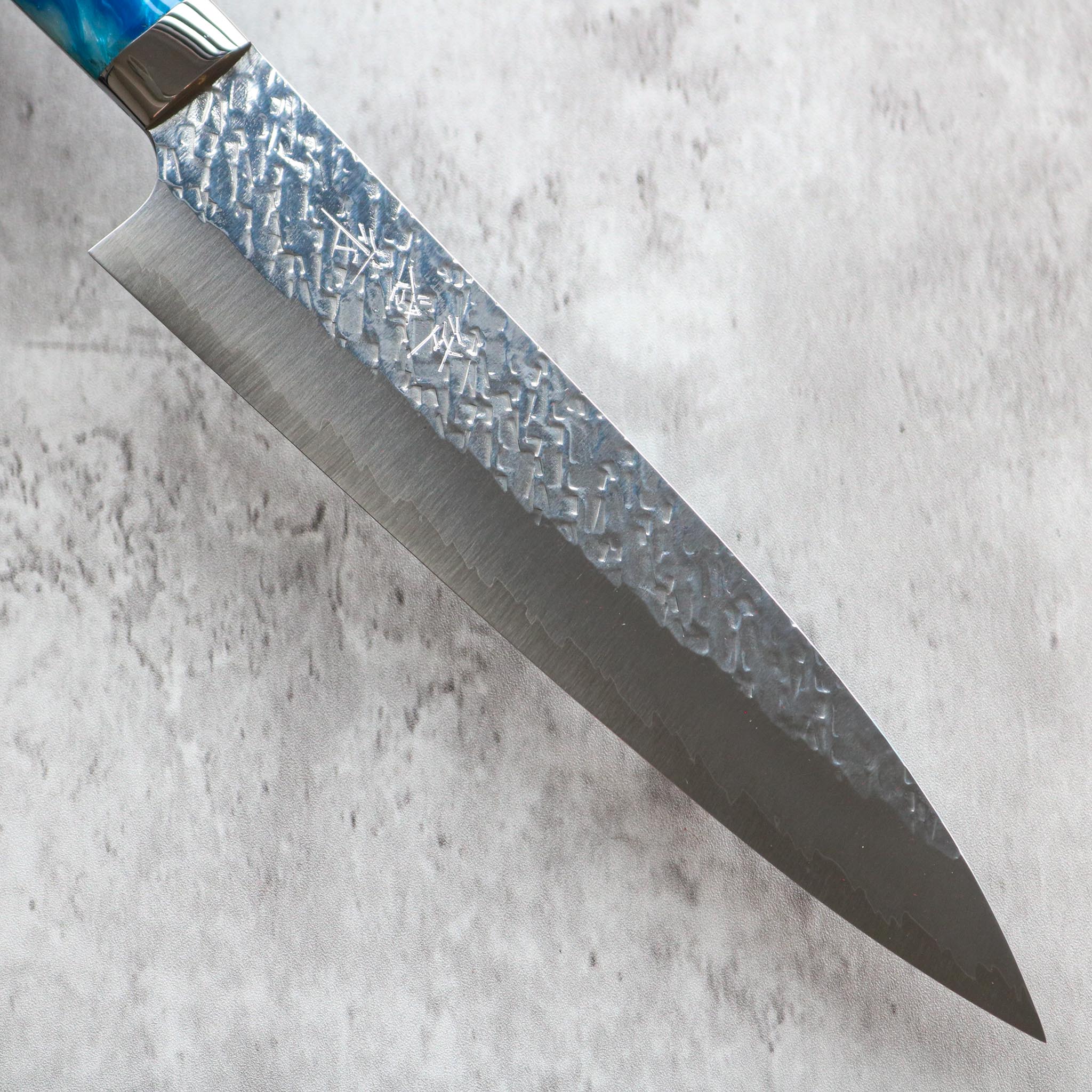
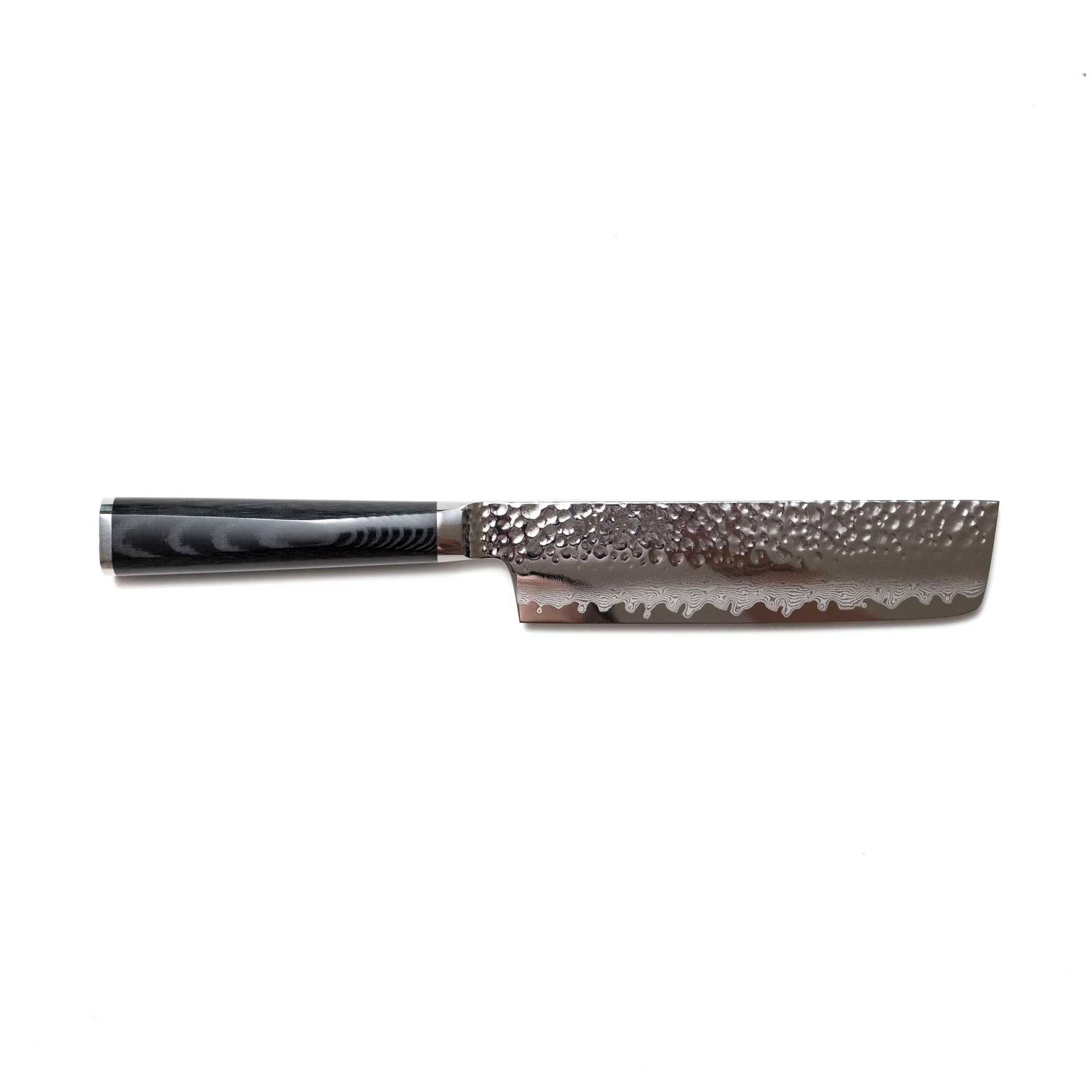
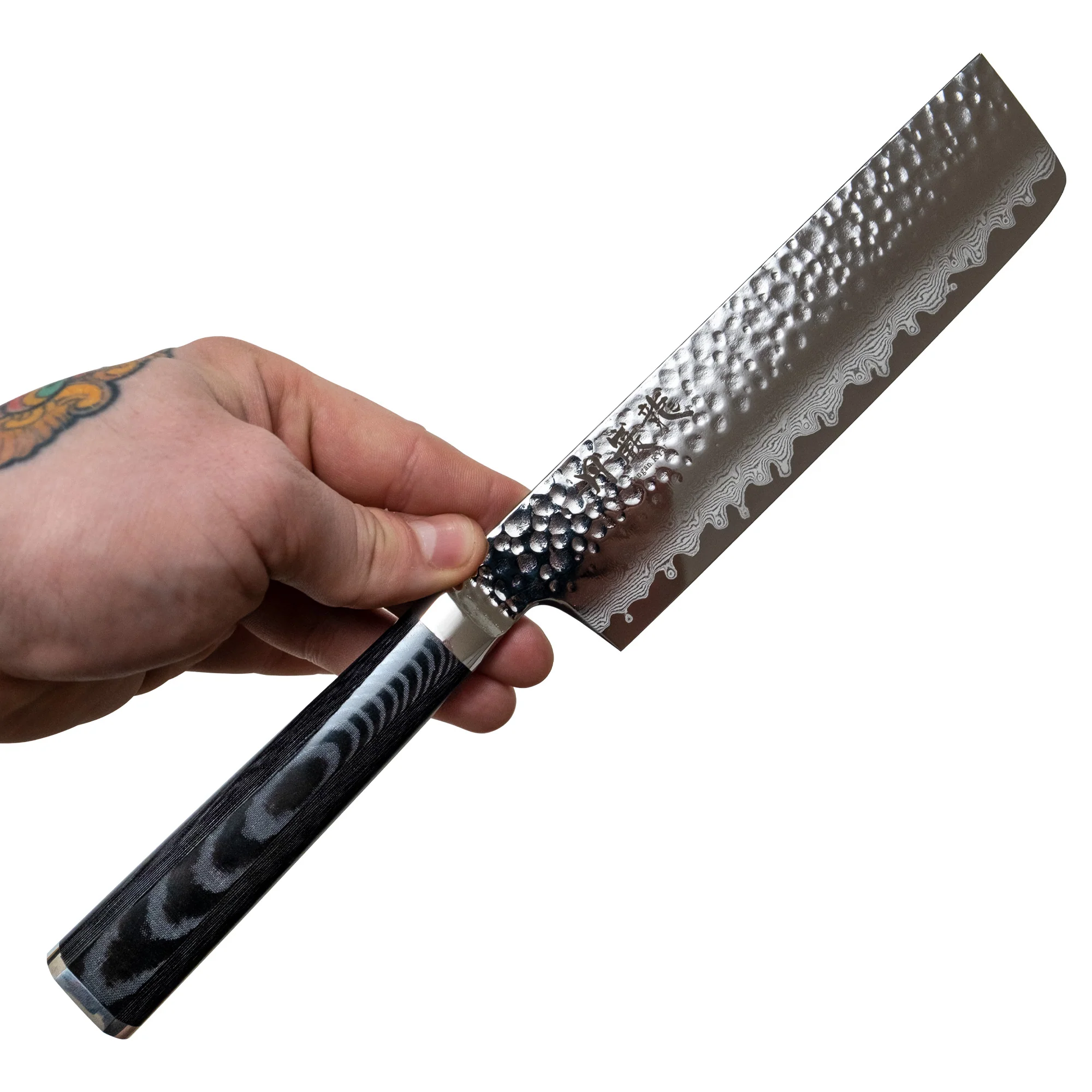
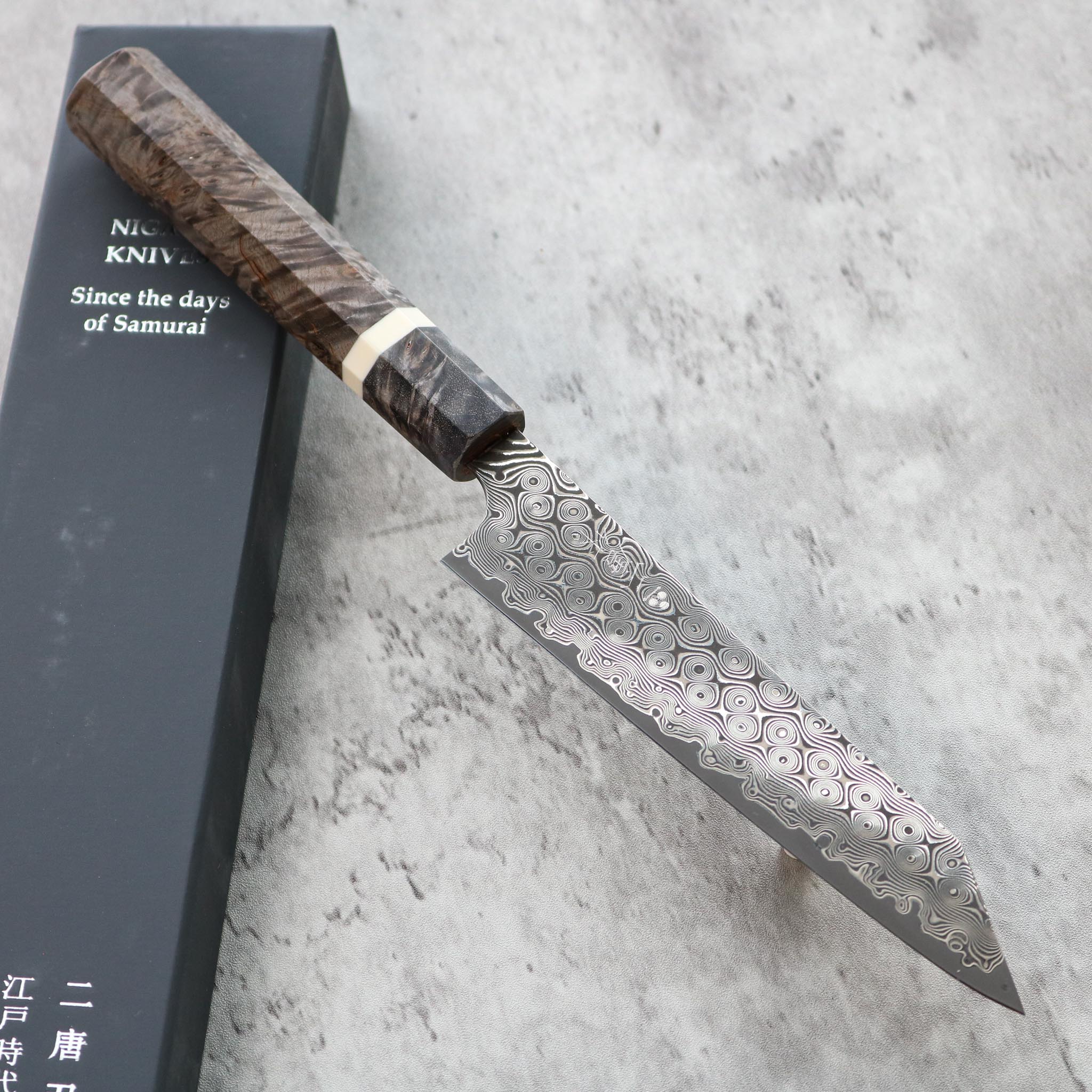
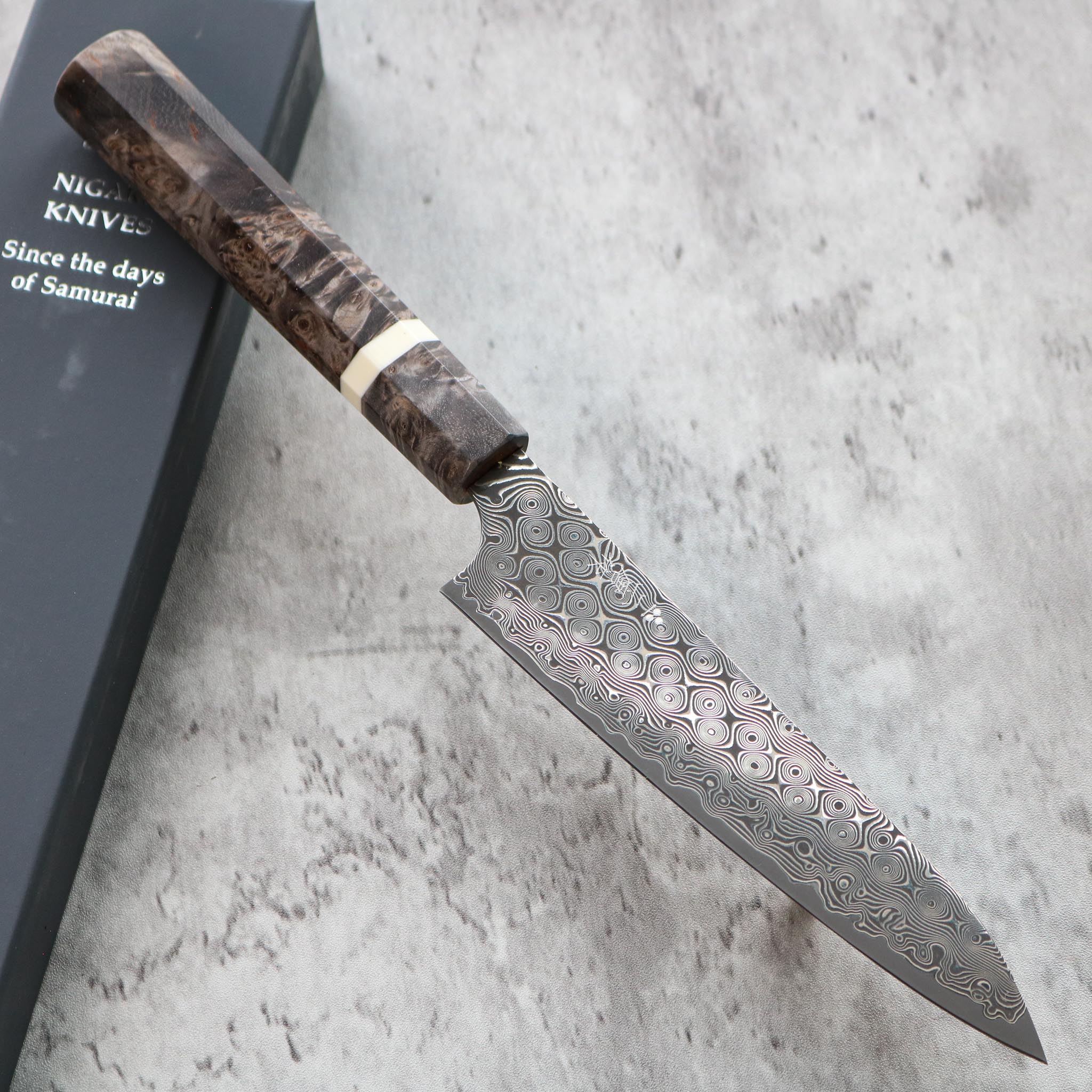
Hatsukokoro Kurokaze Petty 150 mm
| Blade Length | 150 mm |
| Total Length | 273 mm |
| Steel | Shirogami #2 Stainless Clad |
| Handle | Wenge |
| Ferrule | Buffalo Horn |
| Rockwell | 62 |
| Height Spine to heel | 34 mm |
| Width at Spine | 3 mm |
| Weight92b | 92 grams |
| Bevel | Double (50/50) |
The Blacksmith
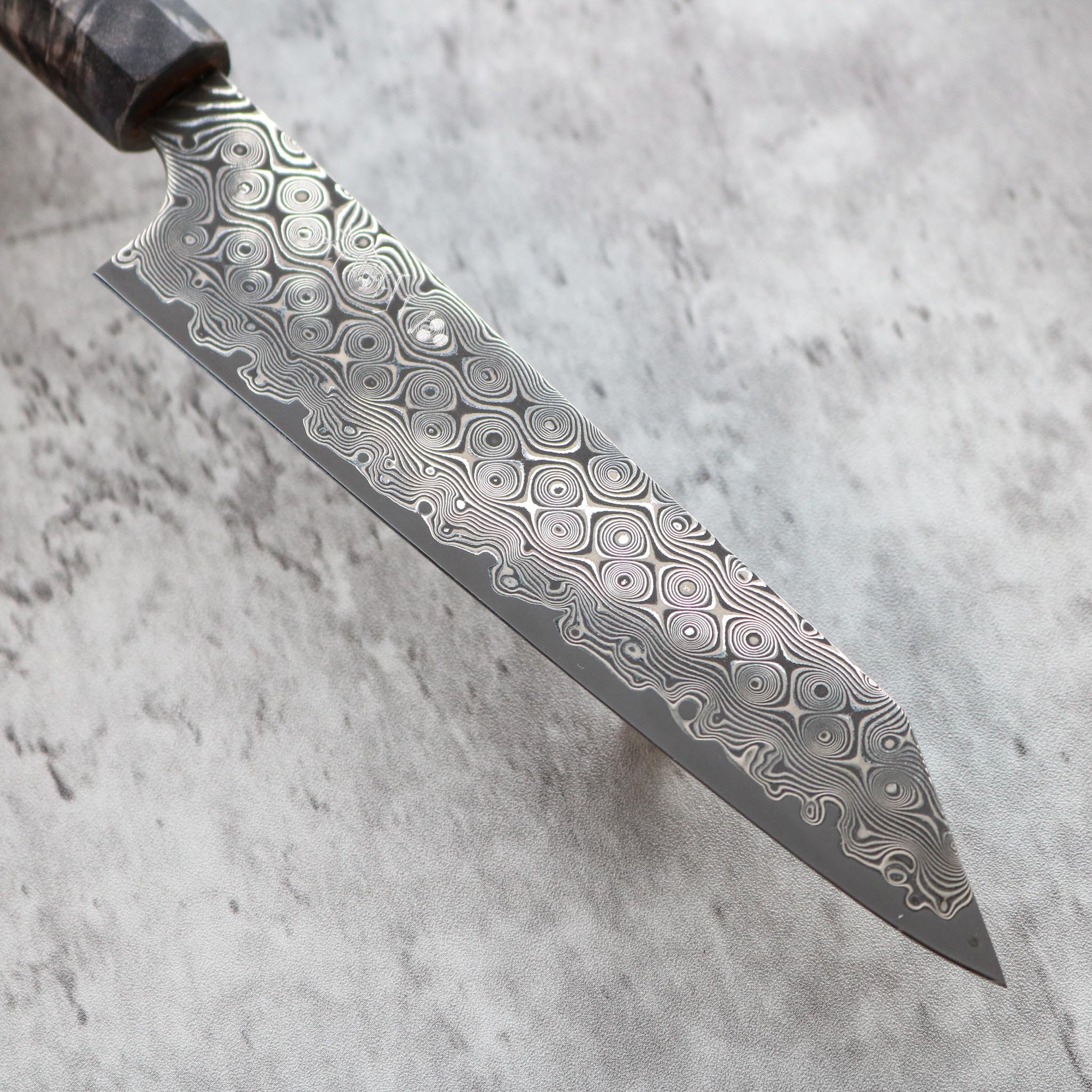
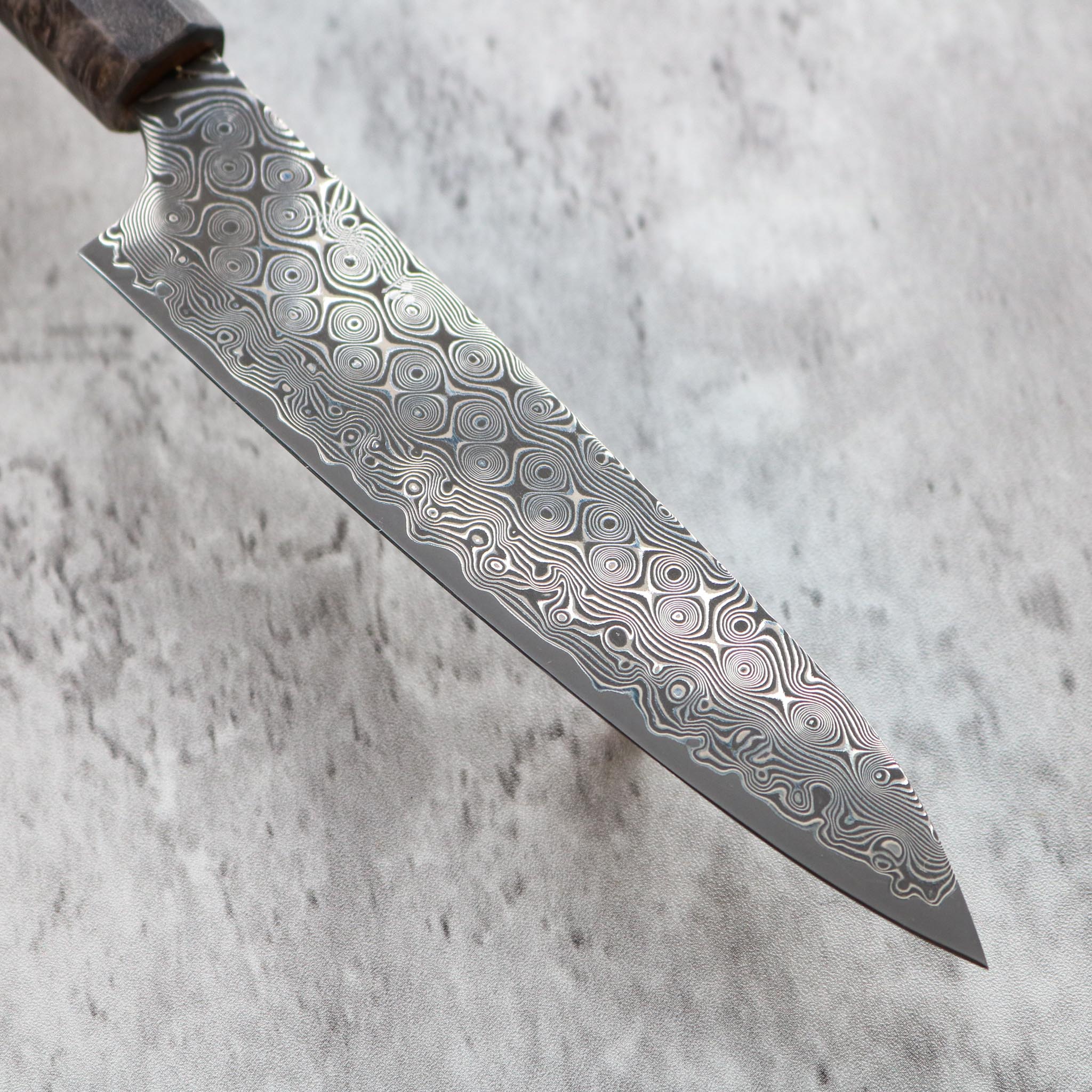
Hatsukokoro brings in masters of smithing, sharpening, and handle making to ensure quality, and a high attention to detail on their knives, so you know that you will be getting an amazing work knife. The Kurokaze series is a new offering from Hatsukokoro and it doesn't disappoint. It's tall blade and excellent edge geometry make it an absolute joy to use and because of the stainless cladding it isn't too difficult to take care of. The kurouchi finish on this blade is unique and not something we've seen before, very interesting and rustic almost patterned finish to it. The shirogami #2 steel is heat treated to around 62 HRC which will provide great edge retention and very easy sharpening.
The Knife
The petty is the Japanese equivalent of the western style paring knife. They're usually a little longer and I could never go back after using one. The idea is all the on board work is done with your gyuto or chef knife and everything in hand is done wit the petty. Not limited to capping strawberries, peeling, turning, or coring veggies, and smaller butchery tasks like chicken, small fish, or deboning a pork shoulder.
The Knife
The petty is the Japanese equivalent of the western style paring knife. They're usually a little longer and I could never go back after using one. The idea is all the on board work is done with your gyuto or chef knife and everything in hand is done wit the petty. Not limited to capping strawberries, peeling, turning, or coring veggies, and smaller butchery tasks like chicken, small fish, or deboning a pork shoulder.
Knife Care (Stainless Clad)
- This knife is made from 3 layers of steel using a technique called Sanmai (Forge welding). It involves laminating a piece of Carbon steel with two pieces of Stainless steel giving the knife all the benefits of the carbon steel (Edge retention, ease of sharpening, cutting feel) and the Ease of Maintenance from Stainless steel. 2-3 millimeters of the carbon steel is exposed at the edge of the knife and is susceptible to rust and discouloration if not properly maintained.
- Simply Wipe the knife with a damp cloth immediately after use to keep it from rusting or discouloring.
- Wash with regular dish soap and warm water using a none abrasive sponge or cloth.
- Never put your knife in the Dishwasher. The extreme heat will ruin the wooden handle.
- Highly acidic ingredients (Onions, Tomatoes, Citrus) Will cause rust and oxidation to happen faster, thus the user must ensure the knife is wiped clean immediately after working with such an ingredient.
- Should any rust form it can be removed using a rust eraser or a mixture of Baking soda and water to simply scrub it clean.
- Avoid Bones, Frozen foods, nuts and hard candies, parmesan rinds, woody stems or anything other than fruits, vegetables and proteins.
Product Information
Product Information
Shipping & Returns
Shipping & Returns
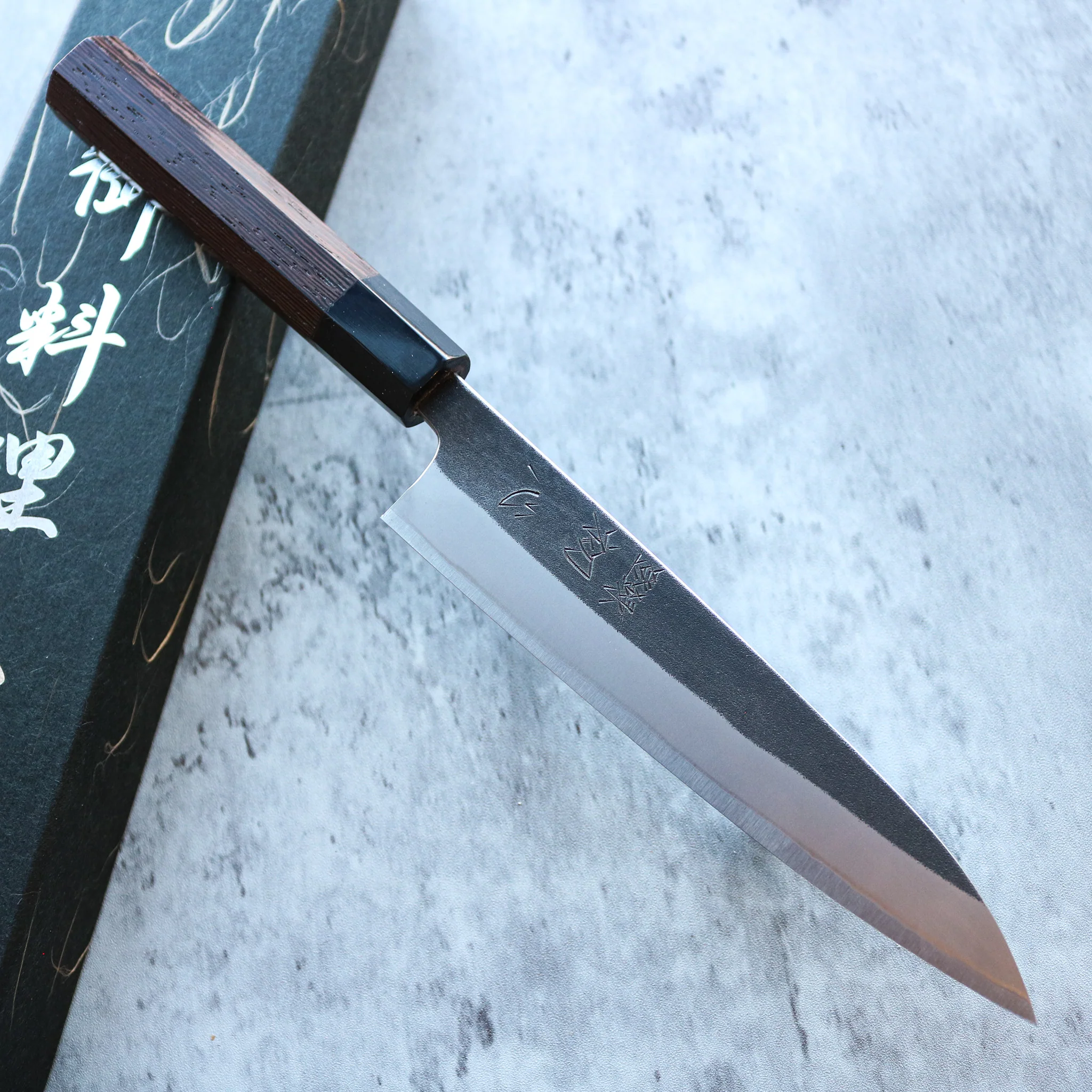


Hatsukokoro Kurokaze Petty 150 mm
Hatsukokoro Kurokaze Petty 150 mm
| Blade Length | 150 mm |
| Total Length | 273 mm |
| Steel | Shirogami #2 Stainless Clad |
| Handle | Wenge |
| Ferrule | Buffalo Horn |
| Rockwell | 62 |
| Height Spine to heel | 34 mm |
| Width at Spine | 3 mm |
| Weight92b | 92 grams |
| Bevel | Double (50/50) |
The Blacksmith
Hatsukokoro brings in masters of smithing, sharpening, and handle making to ensure quality, and a high attention to detail on their knives, so you know that you will be getting an amazing work knife. The Kurokaze series is a new offering from Hatsukokoro and it doesn't disappoint. It's tall blade and excellent edge geometry make it an absolute joy to use and because of the stainless cladding it isn't too difficult to take care of. The kurouchi finish on this blade is unique and not something we've seen before, very interesting and rustic almost patterned finish to it. The shirogami #2 steel is heat treated to around 62 HRC which will provide great edge retention and very easy sharpening.
The Knife
The petty is the Japanese equivalent of the western style paring knife. They're usually a little longer and I could never go back after using one. The idea is all the on board work is done with your gyuto or chef knife and everything in hand is done wit the petty. Not limited to capping strawberries, peeling, turning, or coring veggies, and smaller butchery tasks like chicken, small fish, or deboning a pork shoulder.
The Knife
The petty is the Japanese equivalent of the western style paring knife. They're usually a little longer and I could never go back after using one. The idea is all the on board work is done with your gyuto or chef knife and everything in hand is done wit the petty. Not limited to capping strawberries, peeling, turning, or coring veggies, and smaller butchery tasks like chicken, small fish, or deboning a pork shoulder.
Knife Care (Stainless Clad)
- This knife is made from 3 layers of steel using a technique called Sanmai (Forge welding). It involves laminating a piece of Carbon steel with two pieces of Stainless steel giving the knife all the benefits of the carbon steel (Edge retention, ease of sharpening, cutting feel) and the Ease of Maintenance from Stainless steel. 2-3 millimeters of the carbon steel is exposed at the edge of the knife and is susceptible to rust and discouloration if not properly maintained.
- Simply Wipe the knife with a damp cloth immediately after use to keep it from rusting or discouloring.
- Wash with regular dish soap and warm water using a none abrasive sponge or cloth.
- Never put your knife in the Dishwasher. The extreme heat will ruin the wooden handle.
- Highly acidic ingredients (Onions, Tomatoes, Citrus) Will cause rust and oxidation to happen faster, thus the user must ensure the knife is wiped clean immediately after working with such an ingredient.
- Should any rust form it can be removed using a rust eraser or a mixture of Baking soda and water to simply scrub it clean.
- Avoid Bones, Frozen foods, nuts and hard candies, parmesan rinds, woody stems or anything other than fruits, vegetables and proteins.
$55.56
Original: $158.74
-65%Hatsukokoro Kurokaze Petty 150 mm—
$158.74
$55.56Product Information
Product Information
Shipping & Returns
Shipping & Returns
Description
| Blade Length | 150 mm |
| Total Length | 273 mm |
| Steel | Shirogami #2 Stainless Clad |
| Handle | Wenge |
| Ferrule | Buffalo Horn |
| Rockwell | 62 |
| Height Spine to heel | 34 mm |
| Width at Spine | 3 mm |
| Weight92b | 92 grams |
| Bevel | Double (50/50) |
The Blacksmith
Hatsukokoro brings in masters of smithing, sharpening, and handle making to ensure quality, and a high attention to detail on their knives, so you know that you will be getting an amazing work knife. The Kurokaze series is a new offering from Hatsukokoro and it doesn't disappoint. It's tall blade and excellent edge geometry make it an absolute joy to use and because of the stainless cladding it isn't too difficult to take care of. The kurouchi finish on this blade is unique and not something we've seen before, very interesting and rustic almost patterned finish to it. The shirogami #2 steel is heat treated to around 62 HRC which will provide great edge retention and very easy sharpening.
The Knife
The petty is the Japanese equivalent of the western style paring knife. They're usually a little longer and I could never go back after using one. The idea is all the on board work is done with your gyuto or chef knife and everything in hand is done wit the petty. Not limited to capping strawberries, peeling, turning, or coring veggies, and smaller butchery tasks like chicken, small fish, or deboning a pork shoulder.
The Knife
The petty is the Japanese equivalent of the western style paring knife. They're usually a little longer and I could never go back after using one. The idea is all the on board work is done with your gyuto or chef knife and everything in hand is done wit the petty. Not limited to capping strawberries, peeling, turning, or coring veggies, and smaller butchery tasks like chicken, small fish, or deboning a pork shoulder.
Knife Care (Stainless Clad)
- This knife is made from 3 layers of steel using a technique called Sanmai (Forge welding). It involves laminating a piece of Carbon steel with two pieces of Stainless steel giving the knife all the benefits of the carbon steel (Edge retention, ease of sharpening, cutting feel) and the Ease of Maintenance from Stainless steel. 2-3 millimeters of the carbon steel is exposed at the edge of the knife and is susceptible to rust and discouloration if not properly maintained.
- Simply Wipe the knife with a damp cloth immediately after use to keep it from rusting or discouloring.
- Wash with regular dish soap and warm water using a none abrasive sponge or cloth.
- Never put your knife in the Dishwasher. The extreme heat will ruin the wooden handle.
- Highly acidic ingredients (Onions, Tomatoes, Citrus) Will cause rust and oxidation to happen faster, thus the user must ensure the knife is wiped clean immediately after working with such an ingredient.
- Should any rust form it can be removed using a rust eraser or a mixture of Baking soda and water to simply scrub it clean.
- Avoid Bones, Frozen foods, nuts and hard candies, parmesan rinds, woody stems or anything other than fruits, vegetables and proteins.