🎉 Up to 70% Off Selected ItemsShop Sale
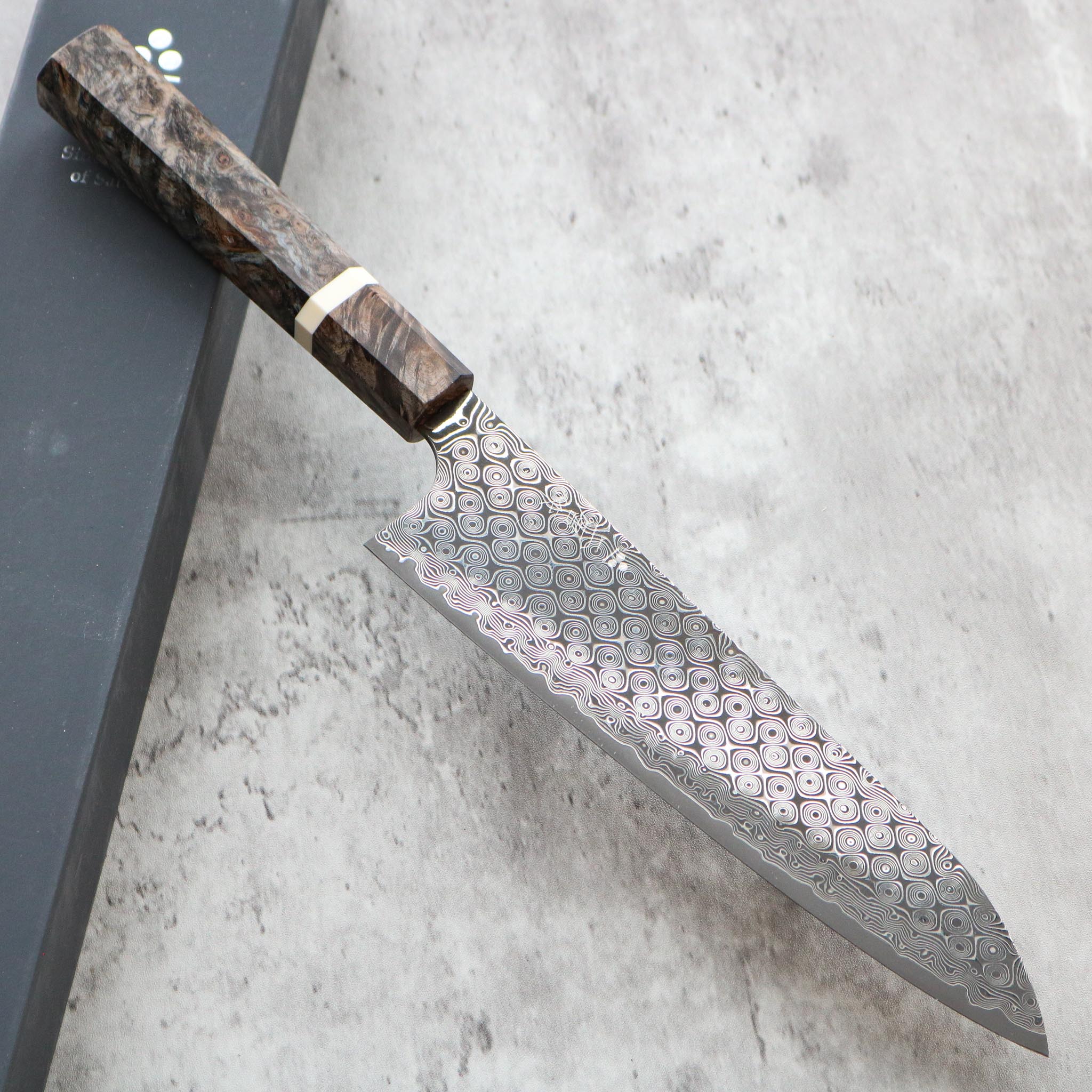
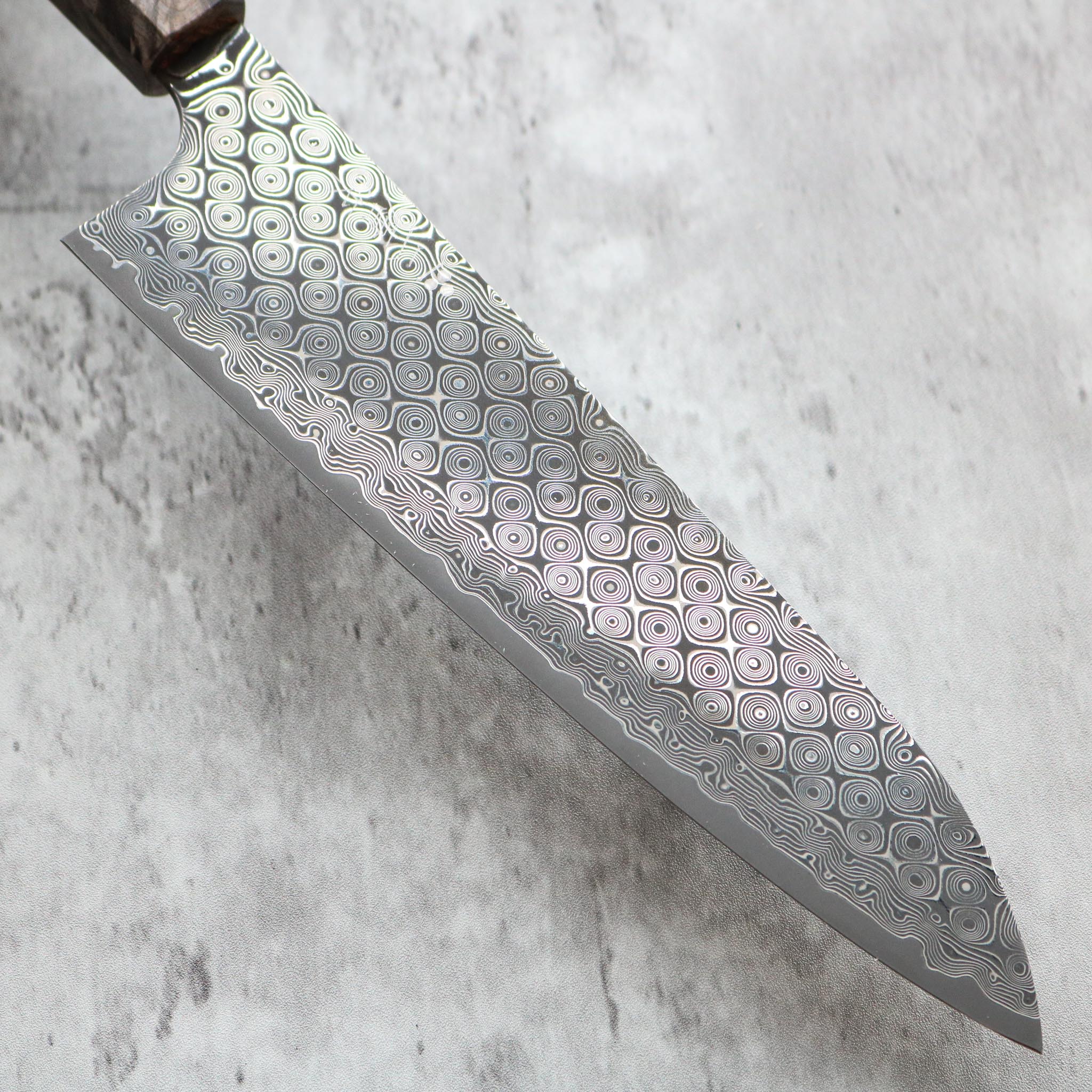
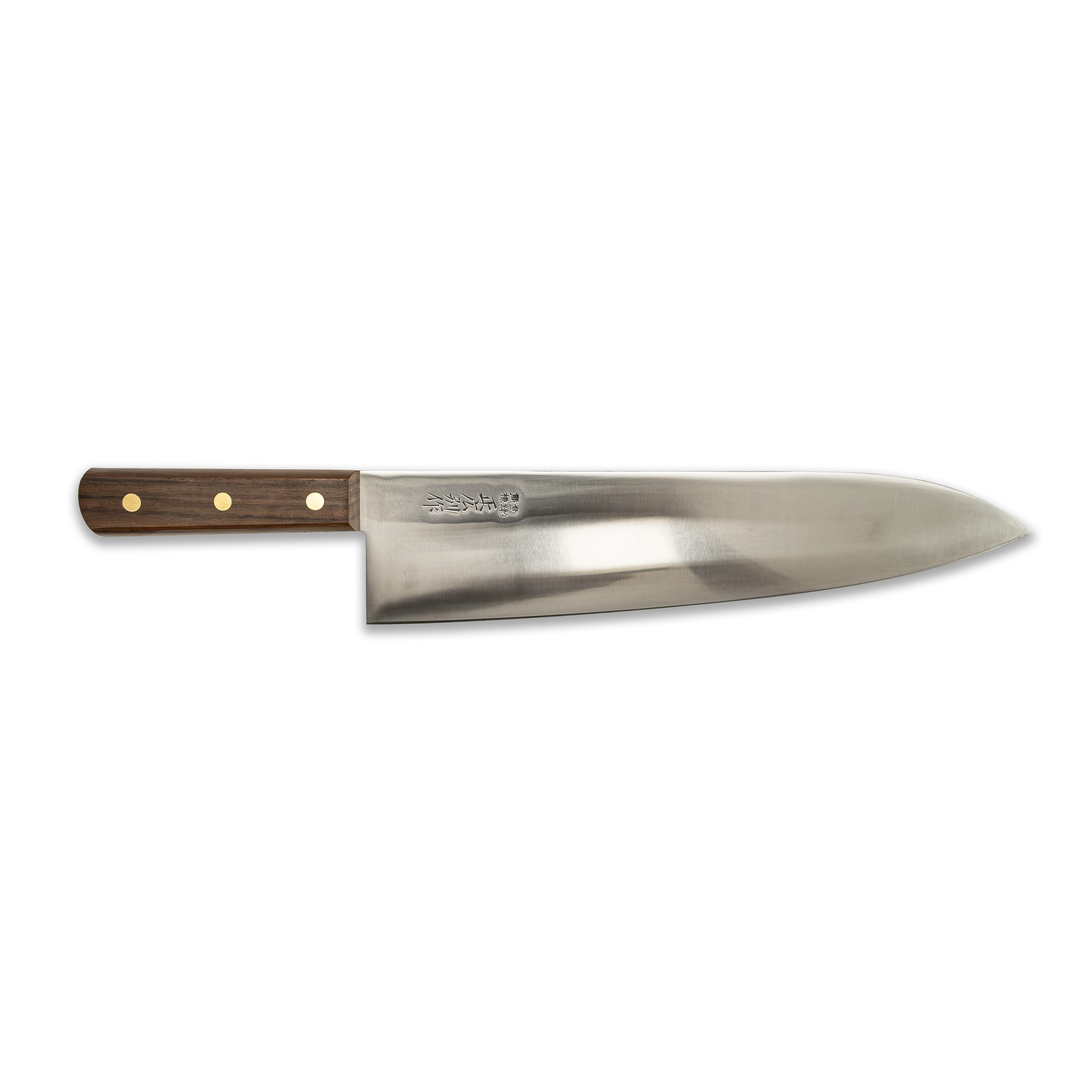
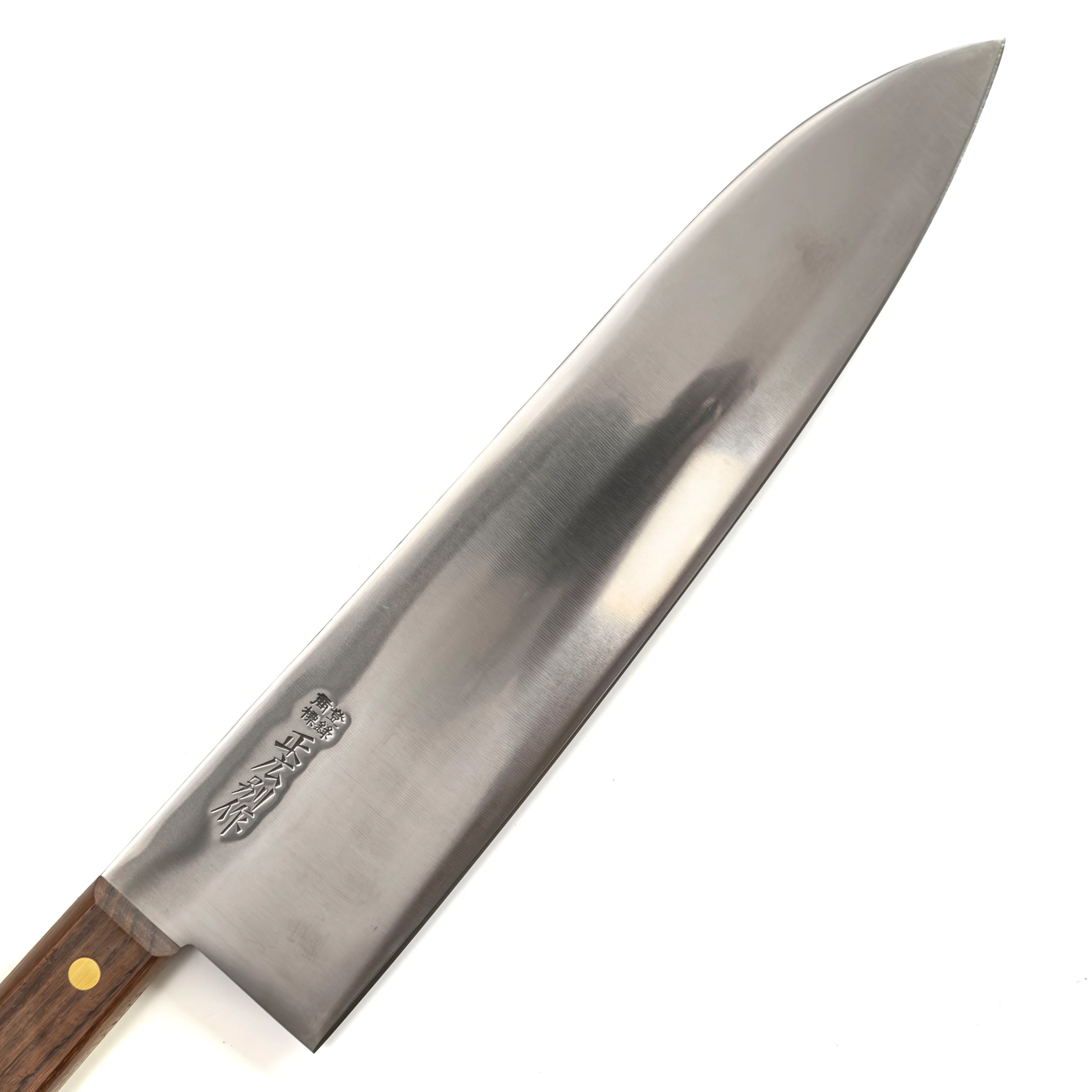
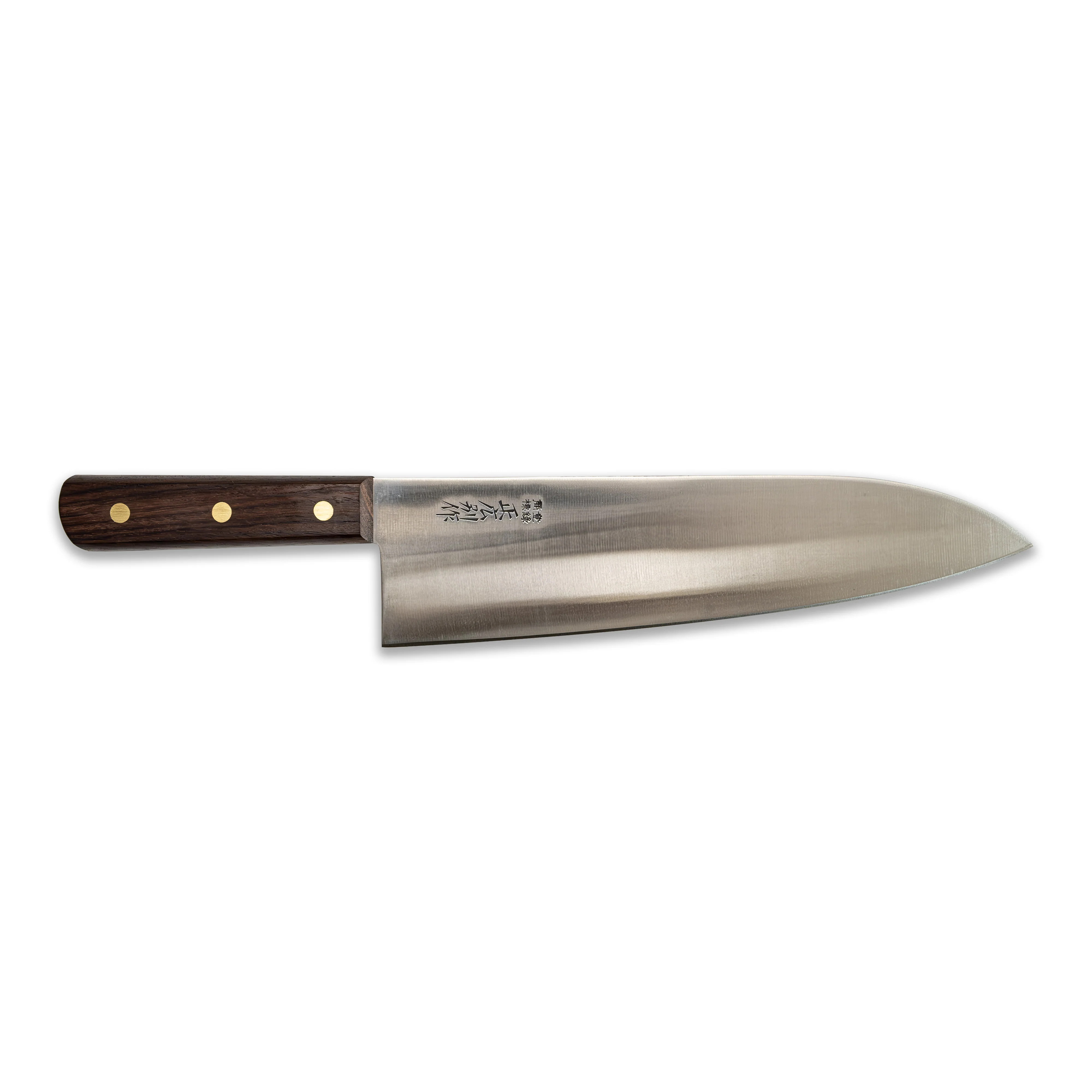
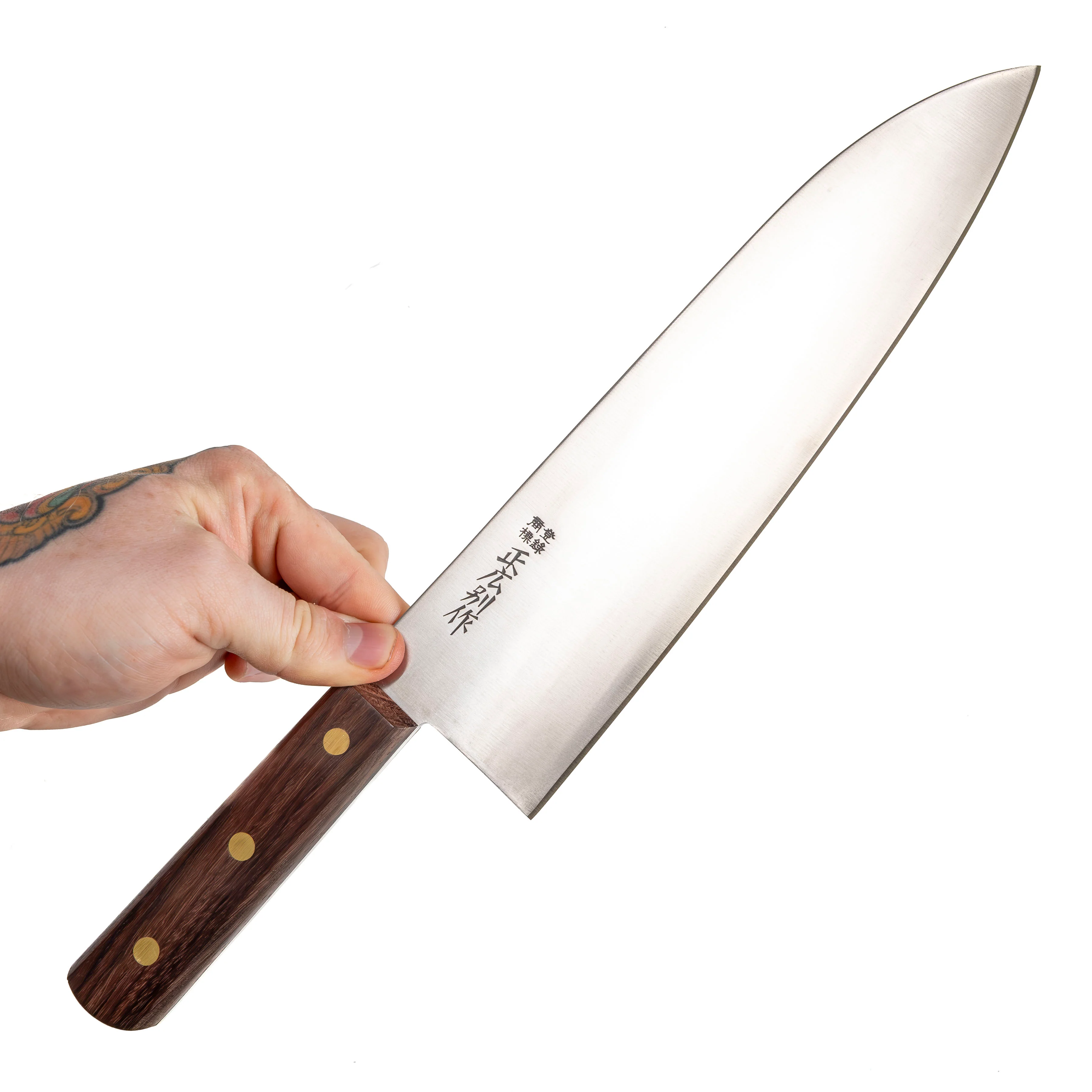
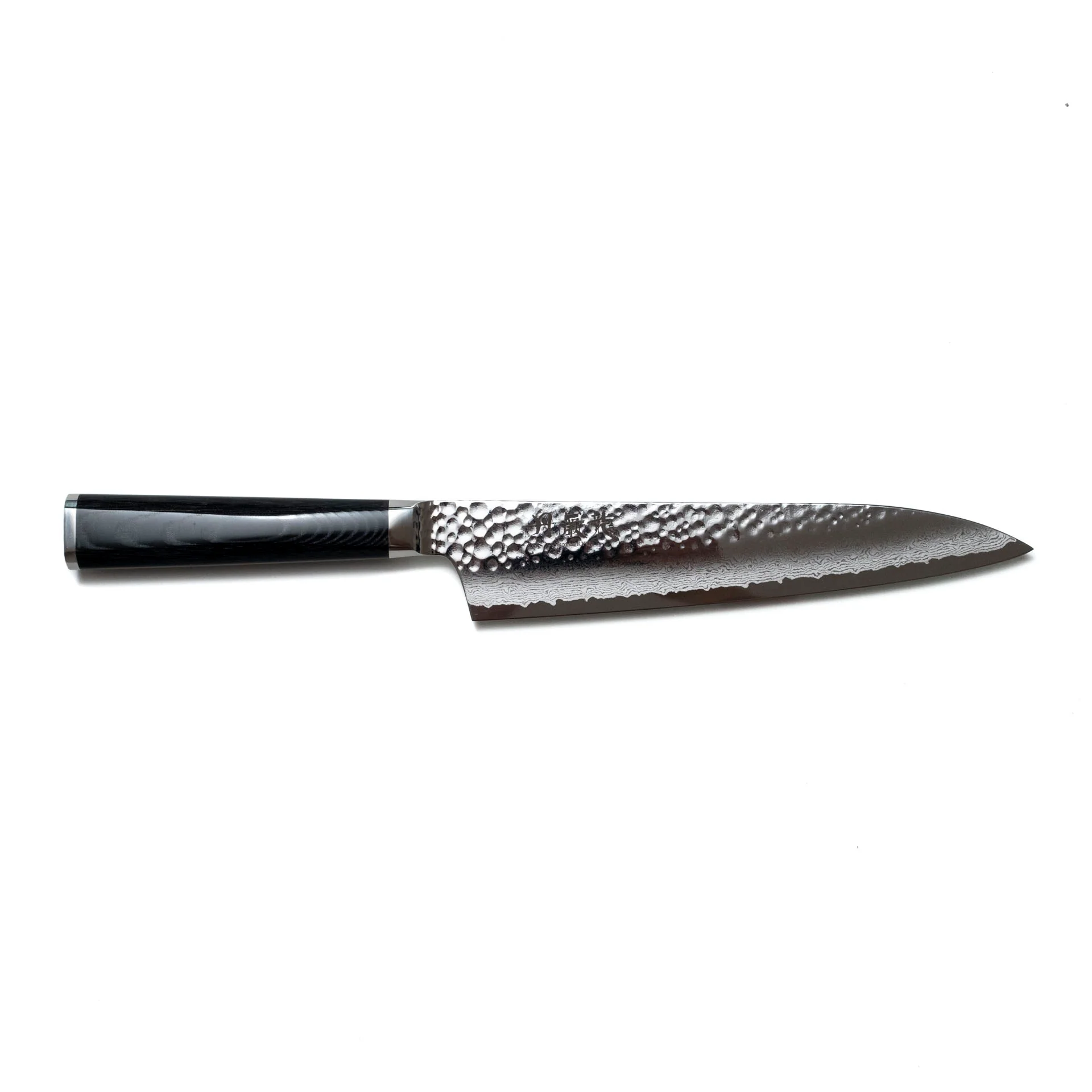
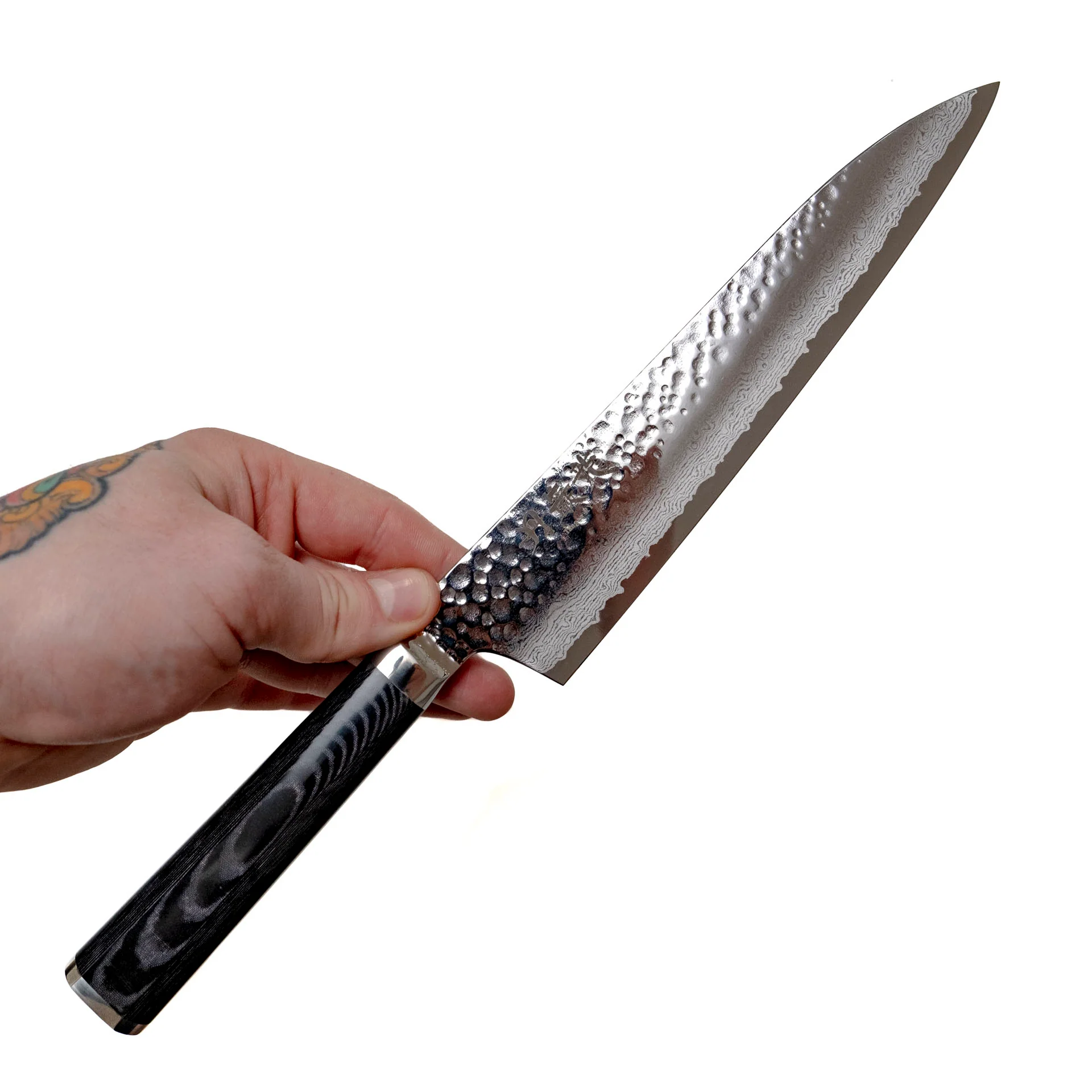
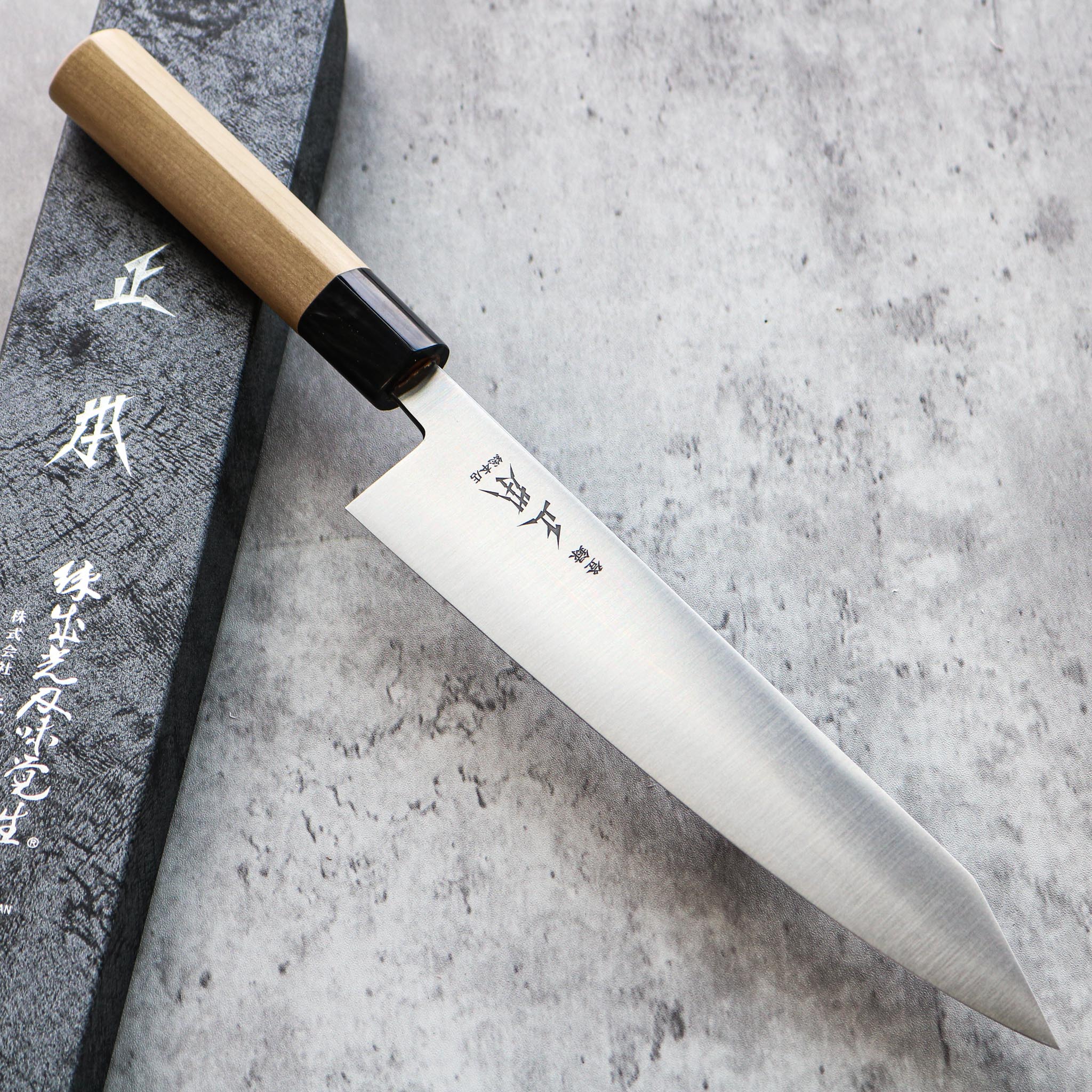
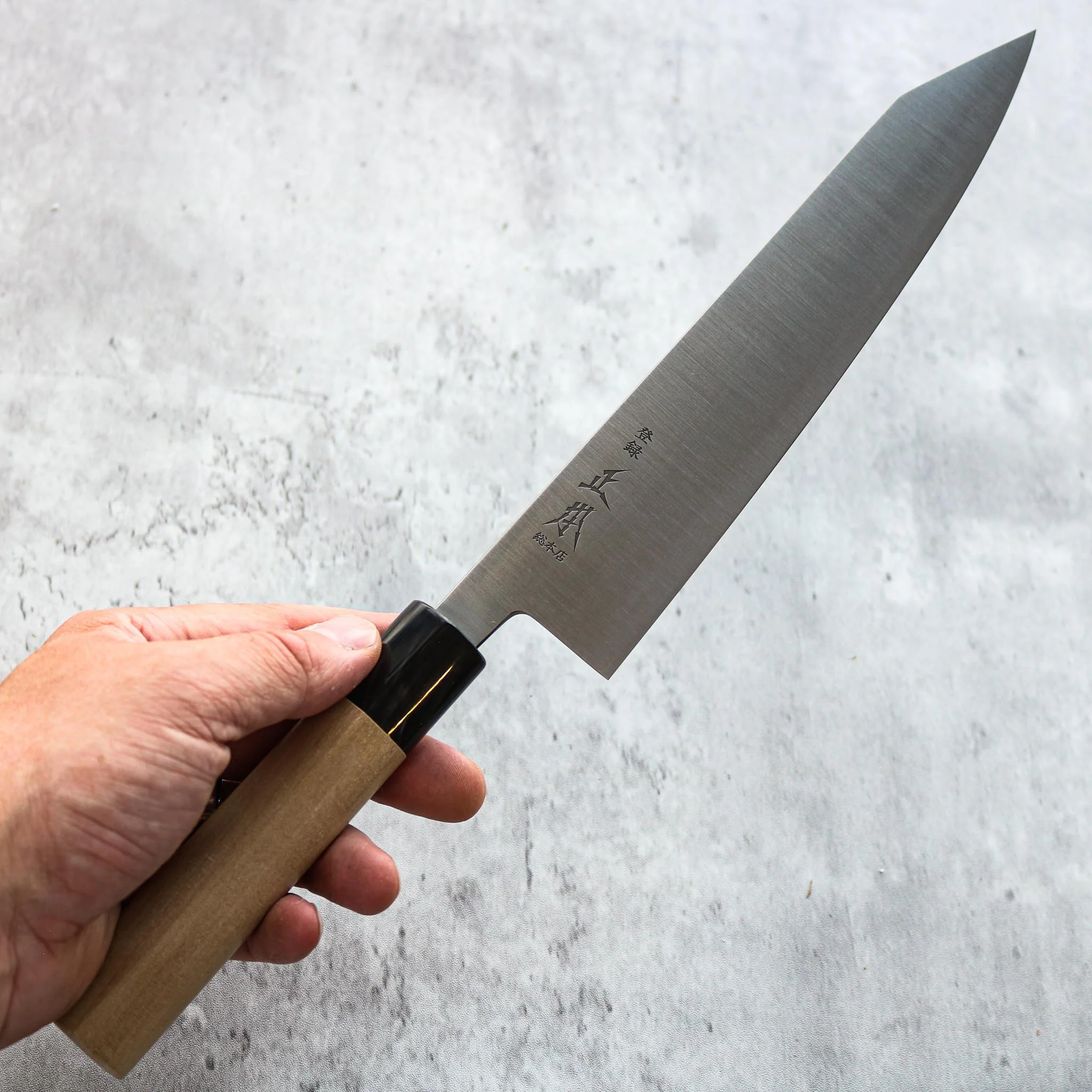
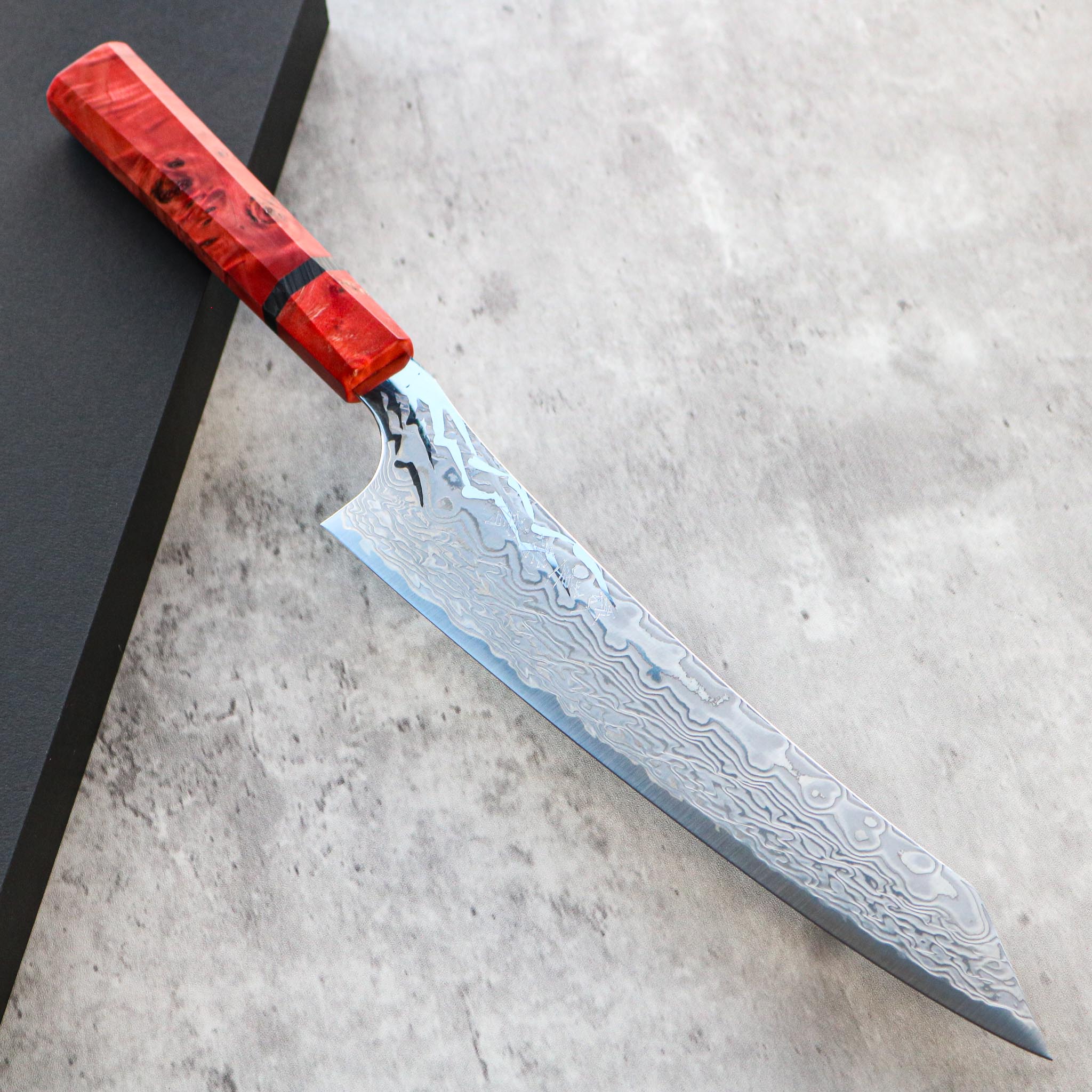
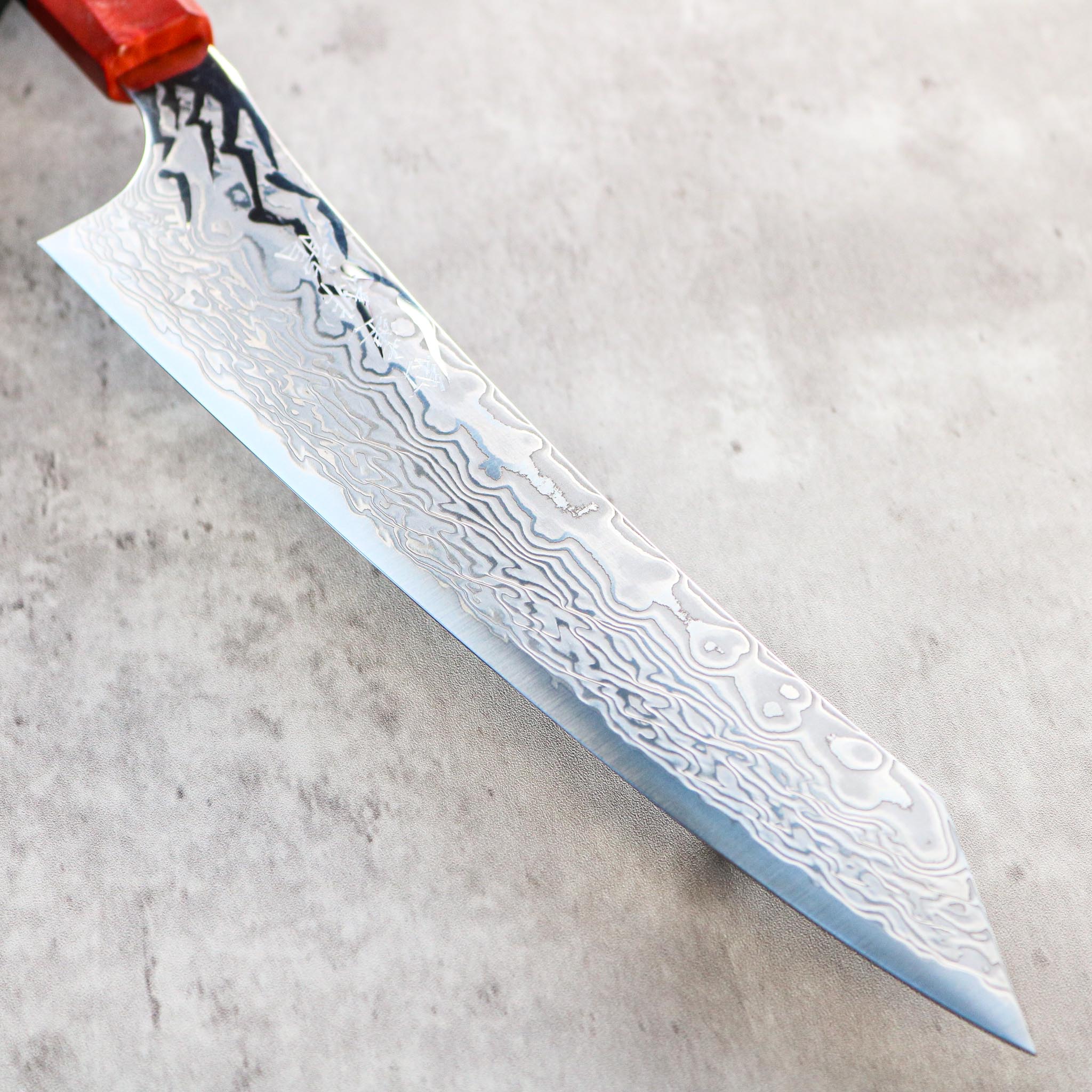
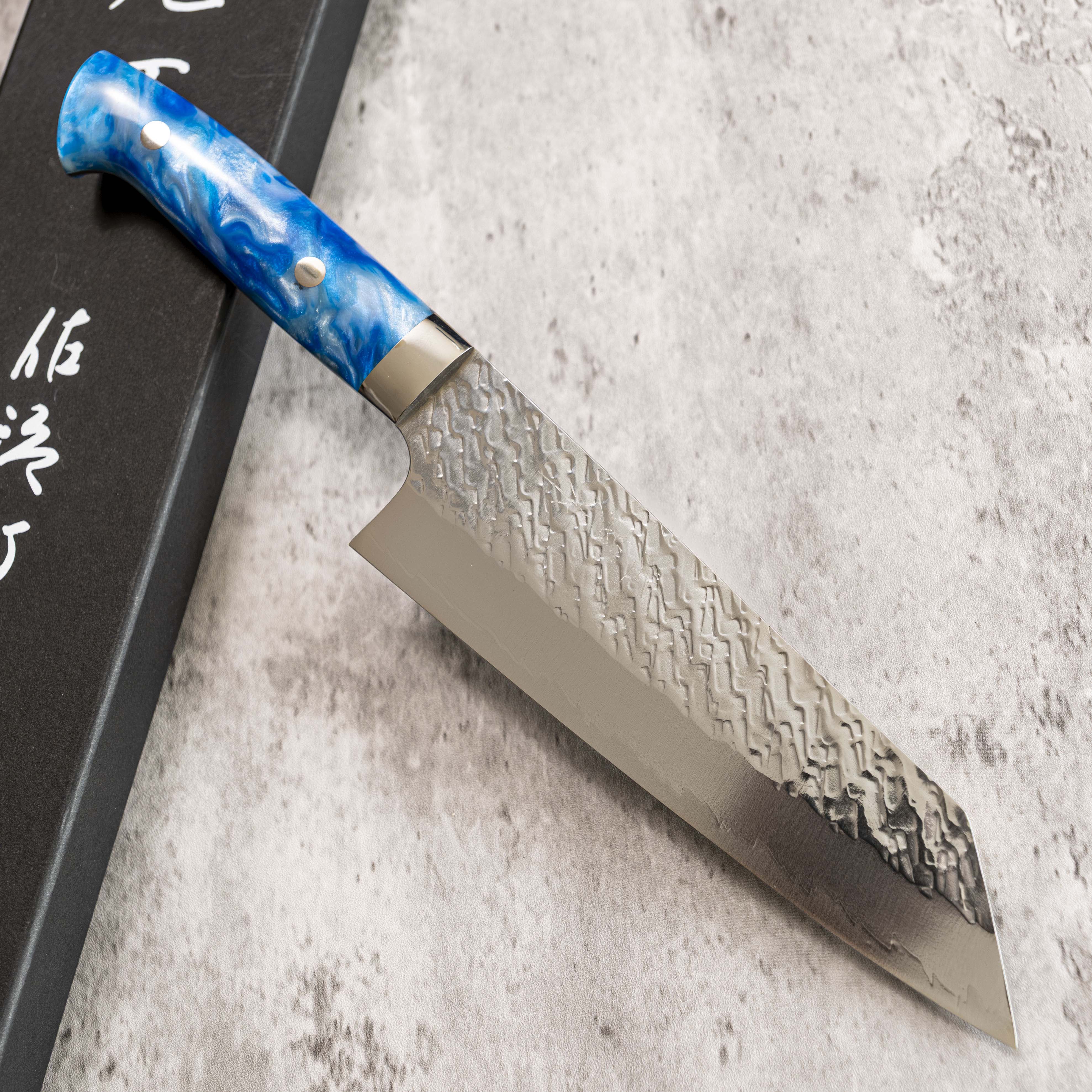
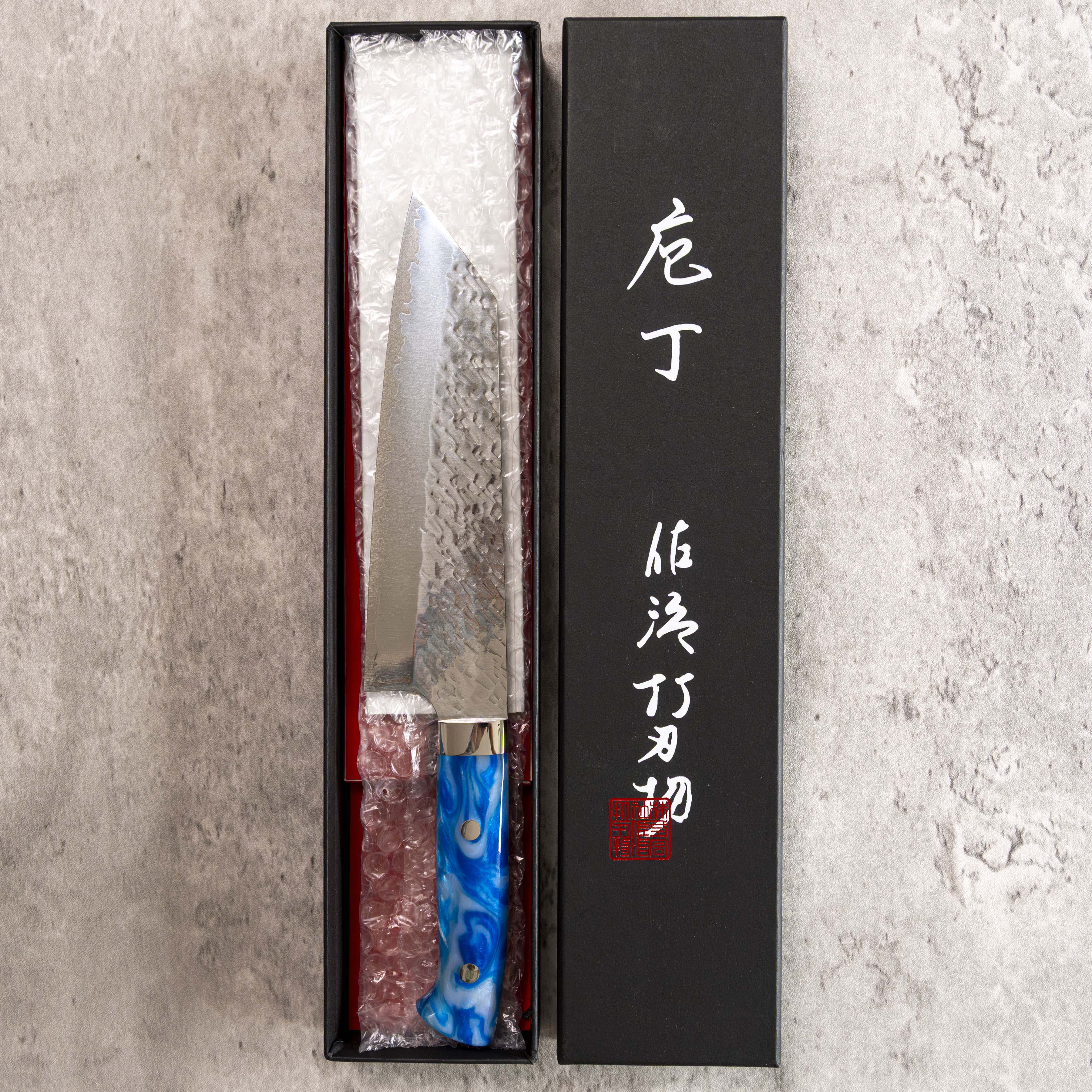
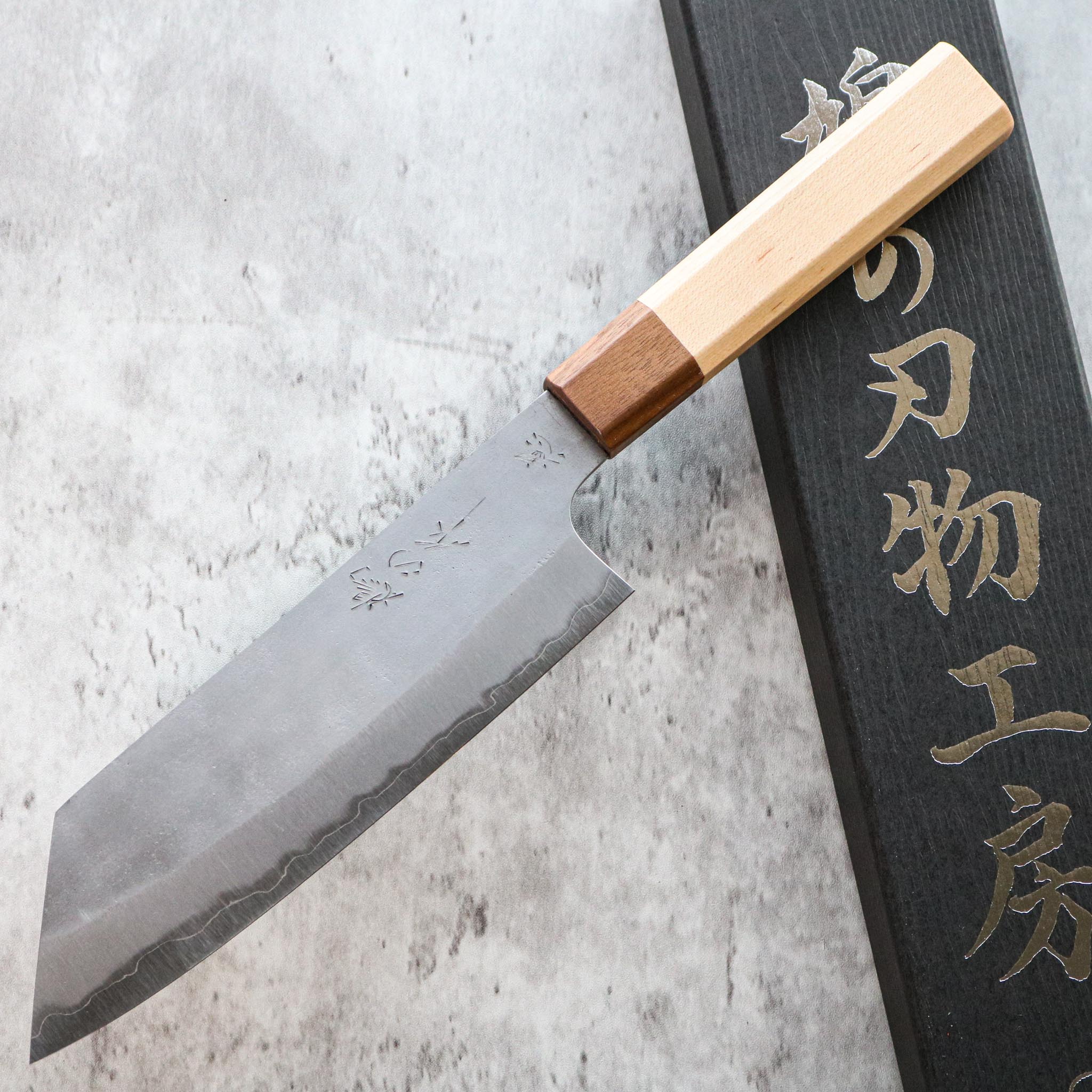
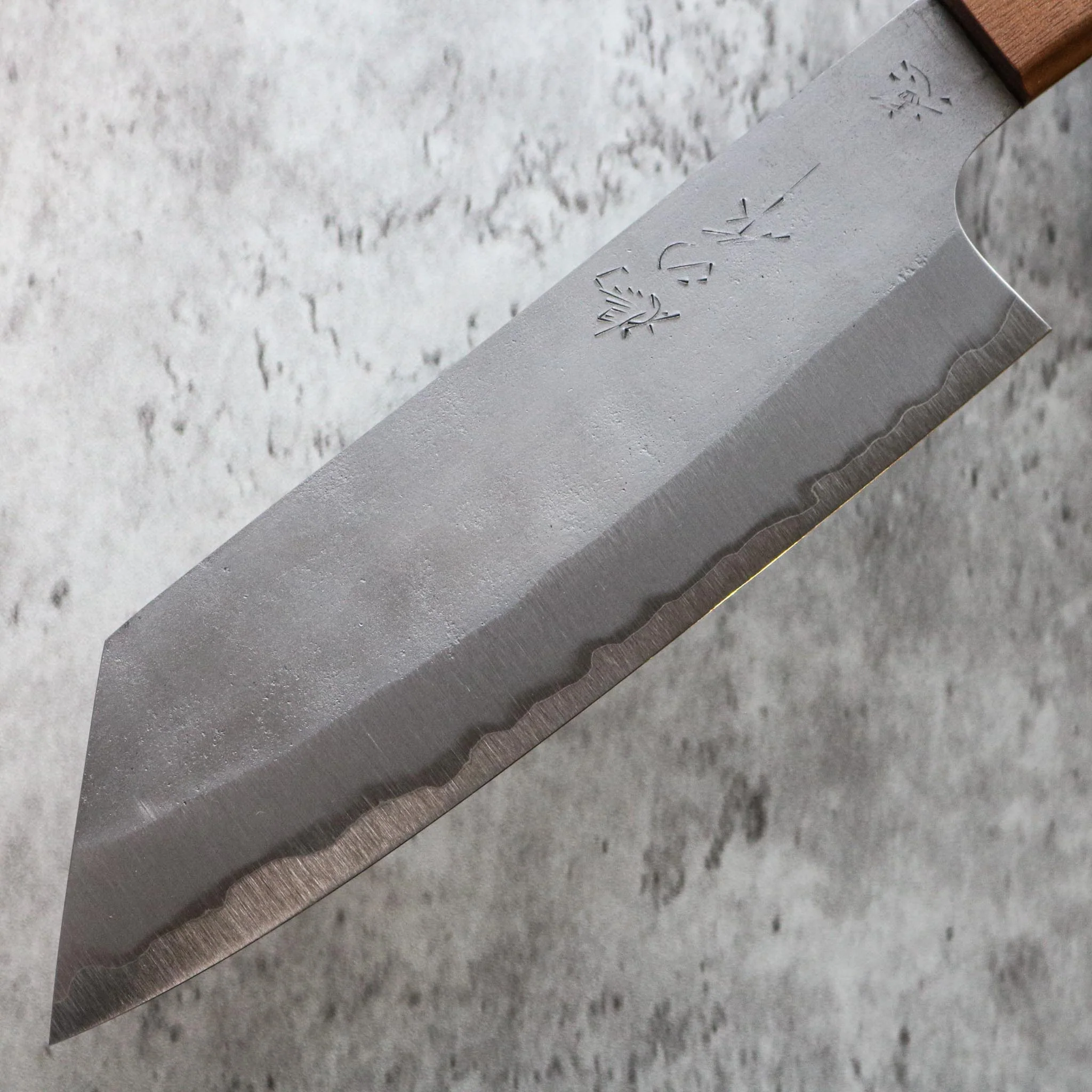
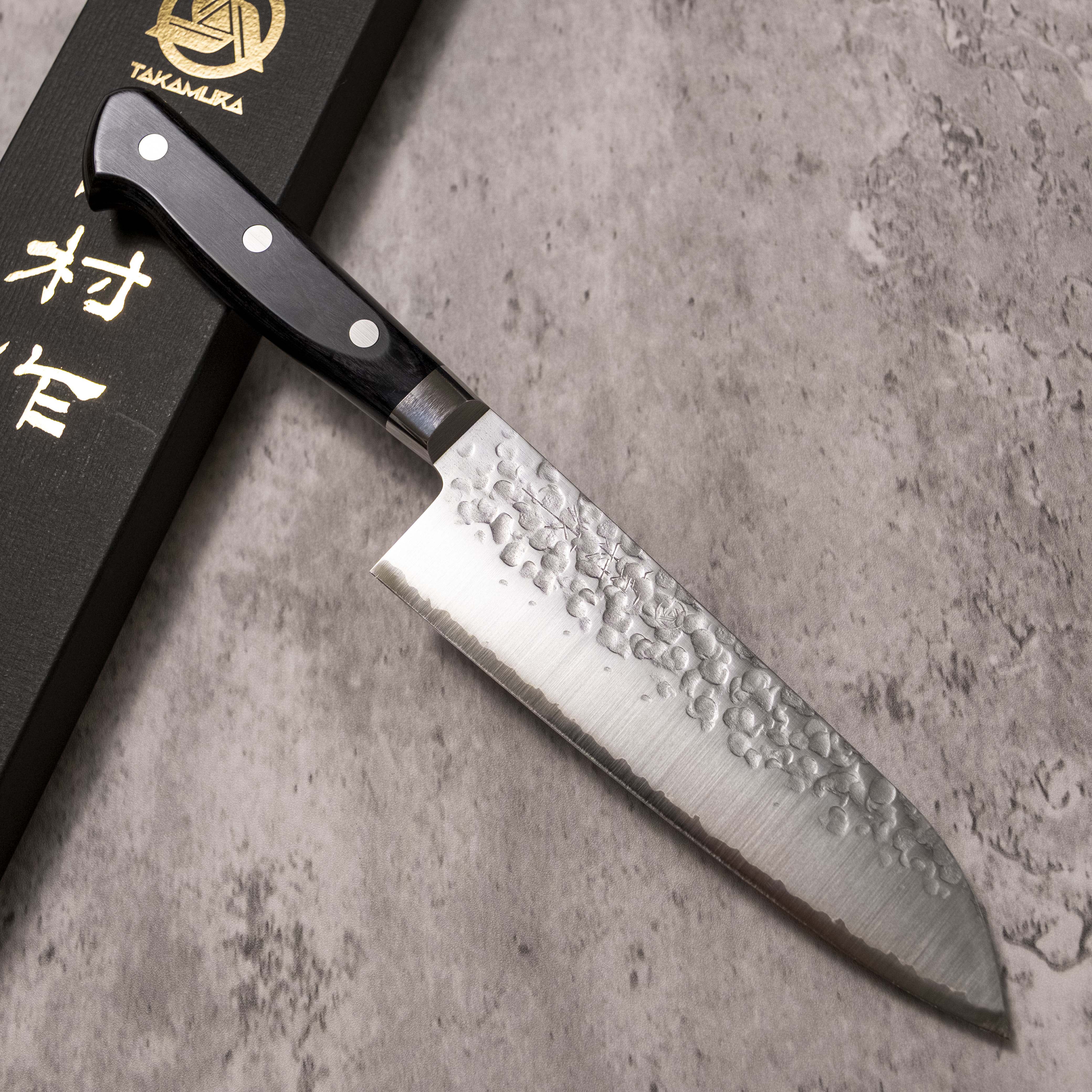
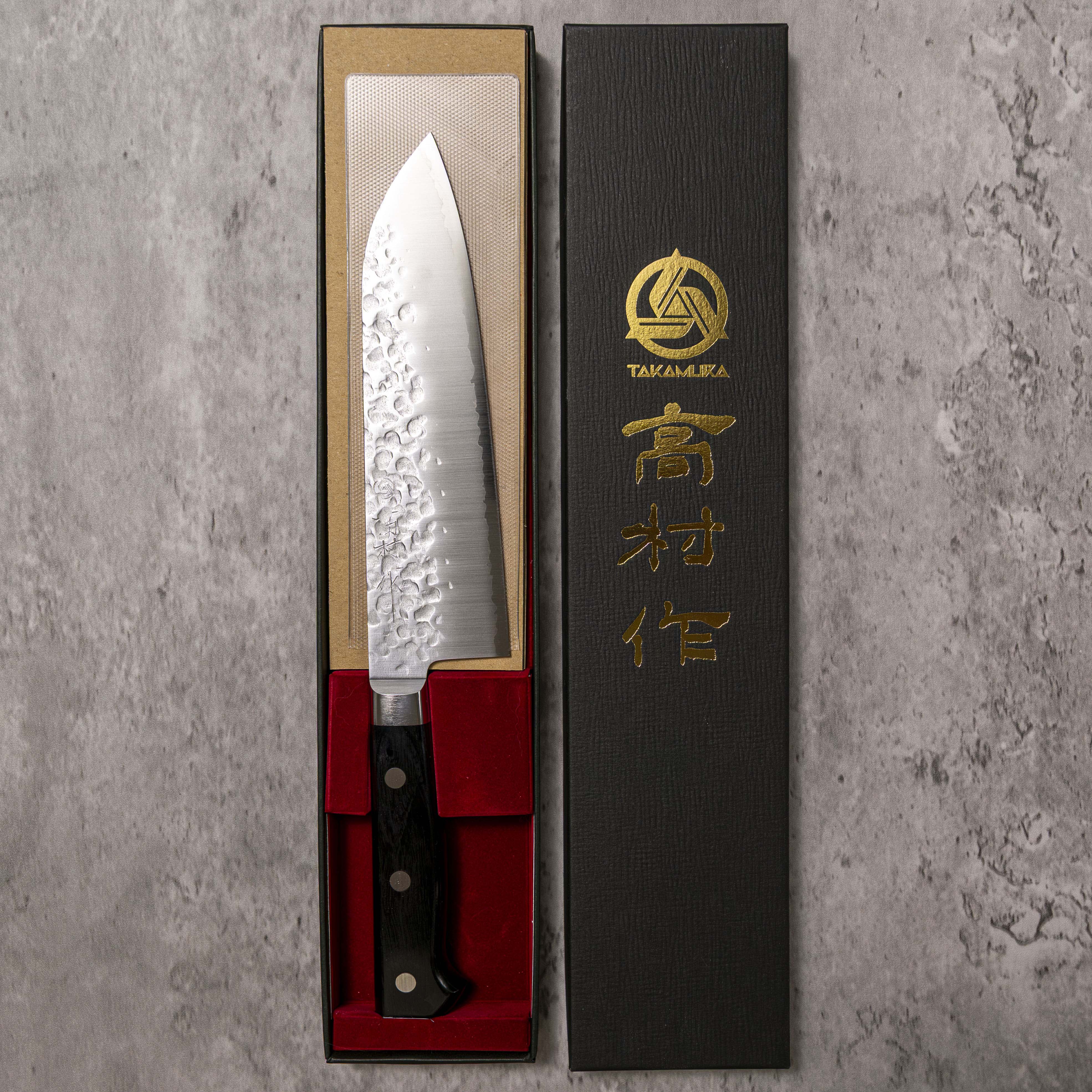
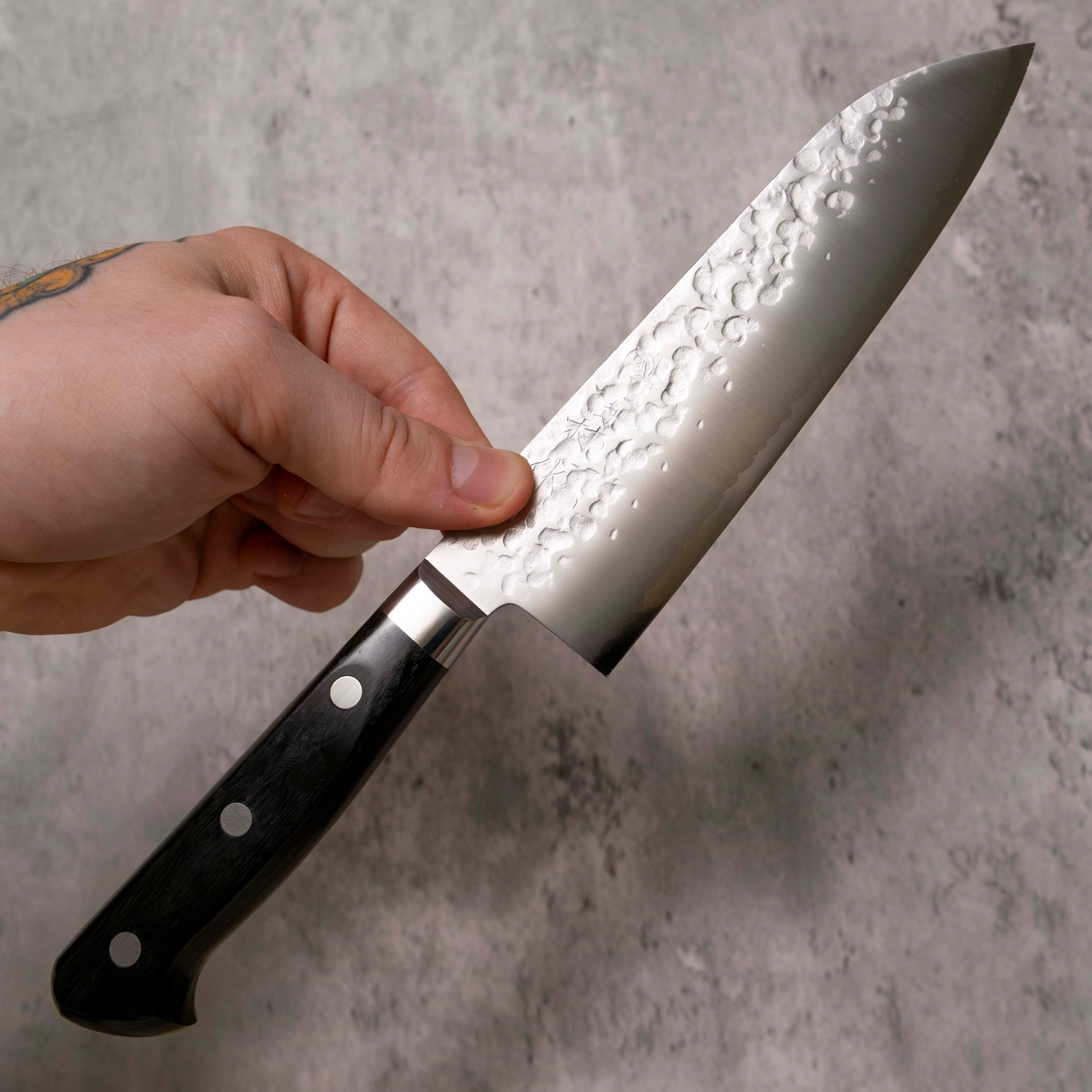
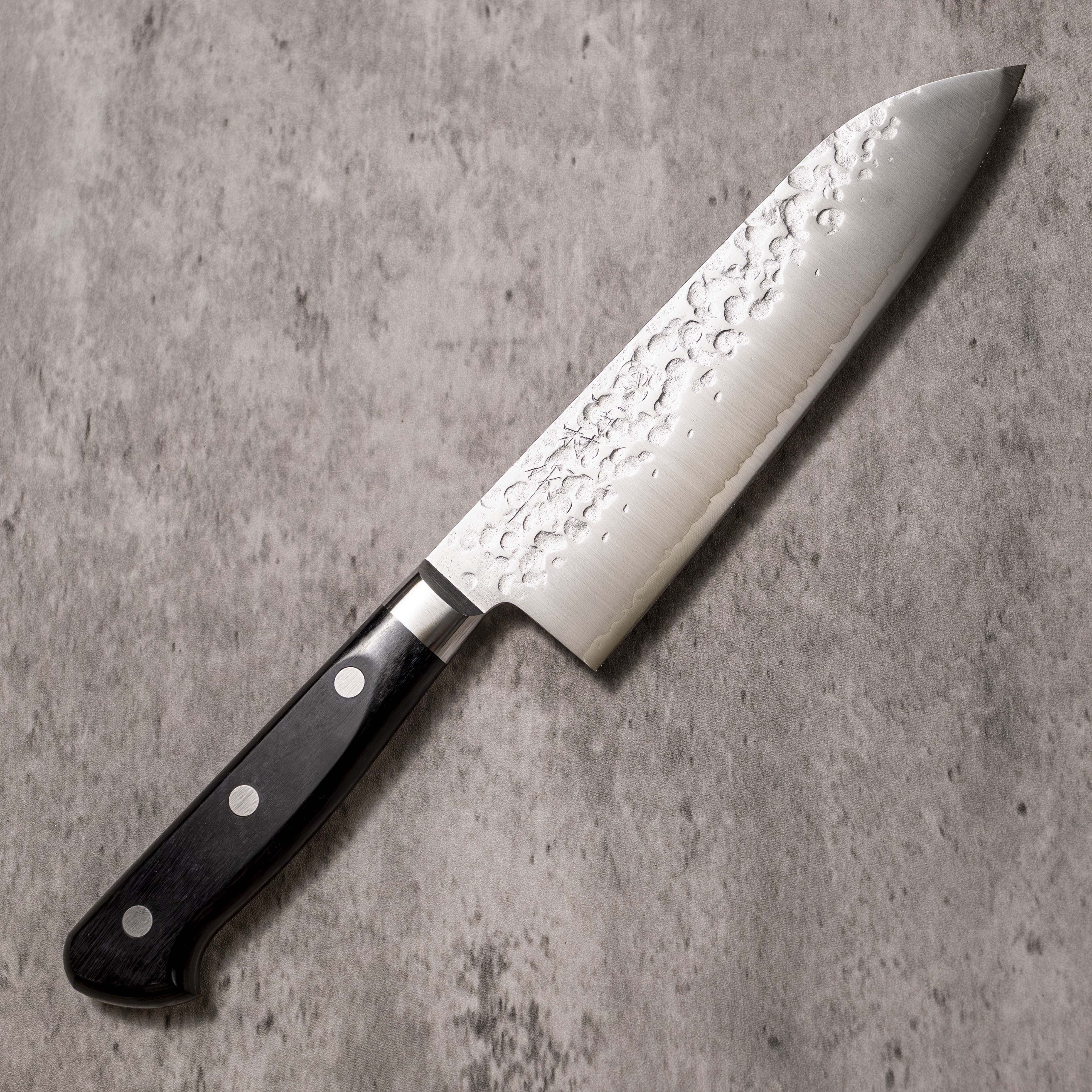
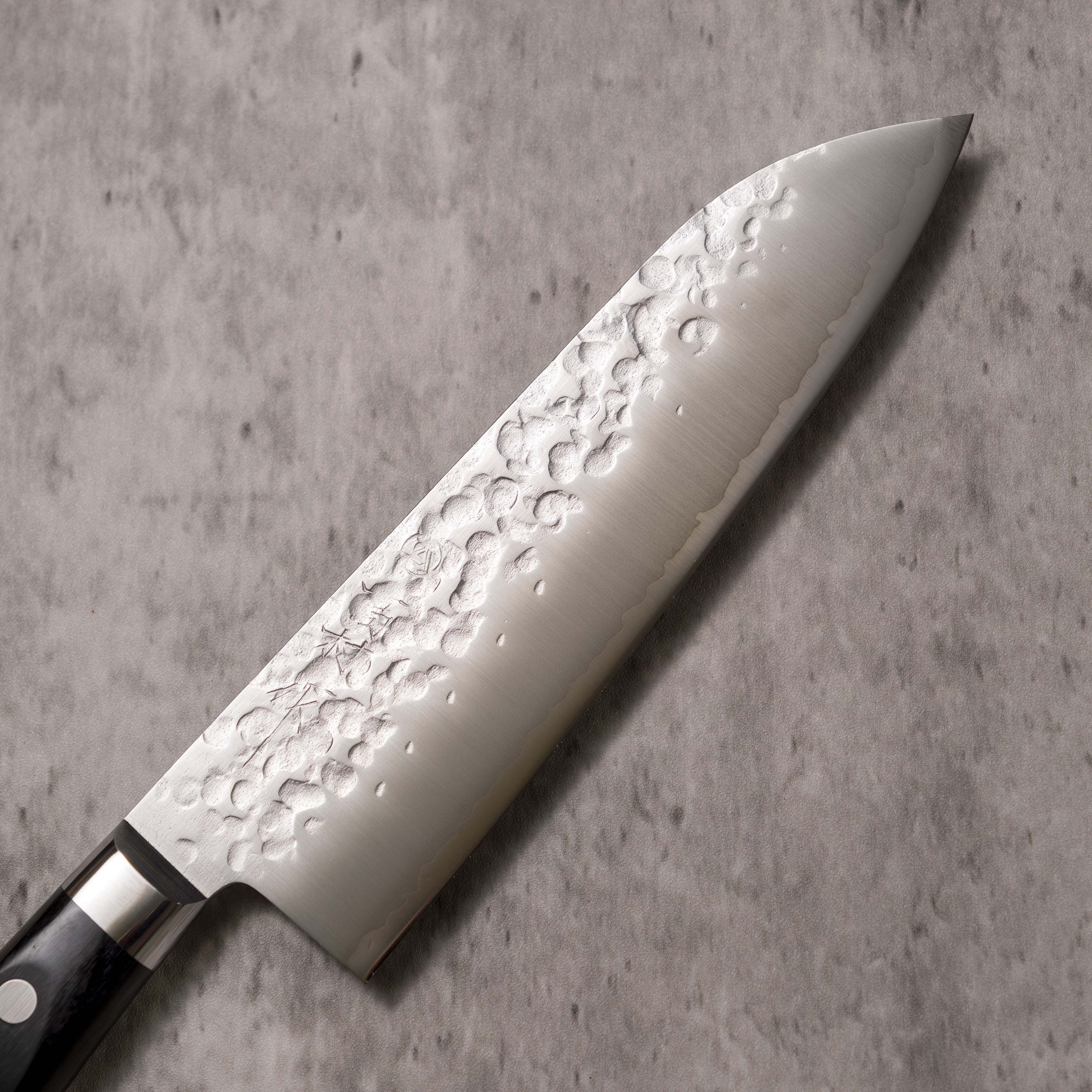
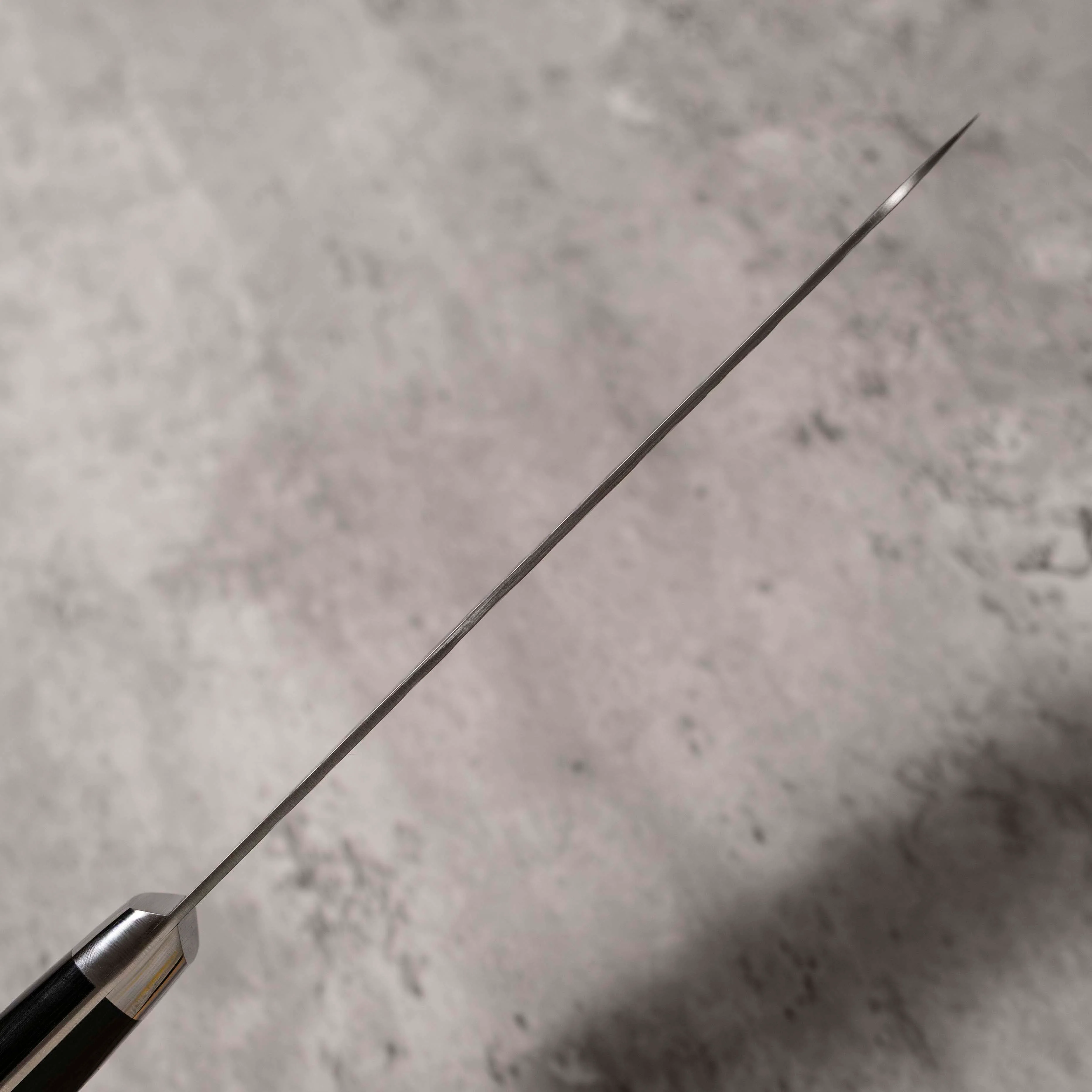
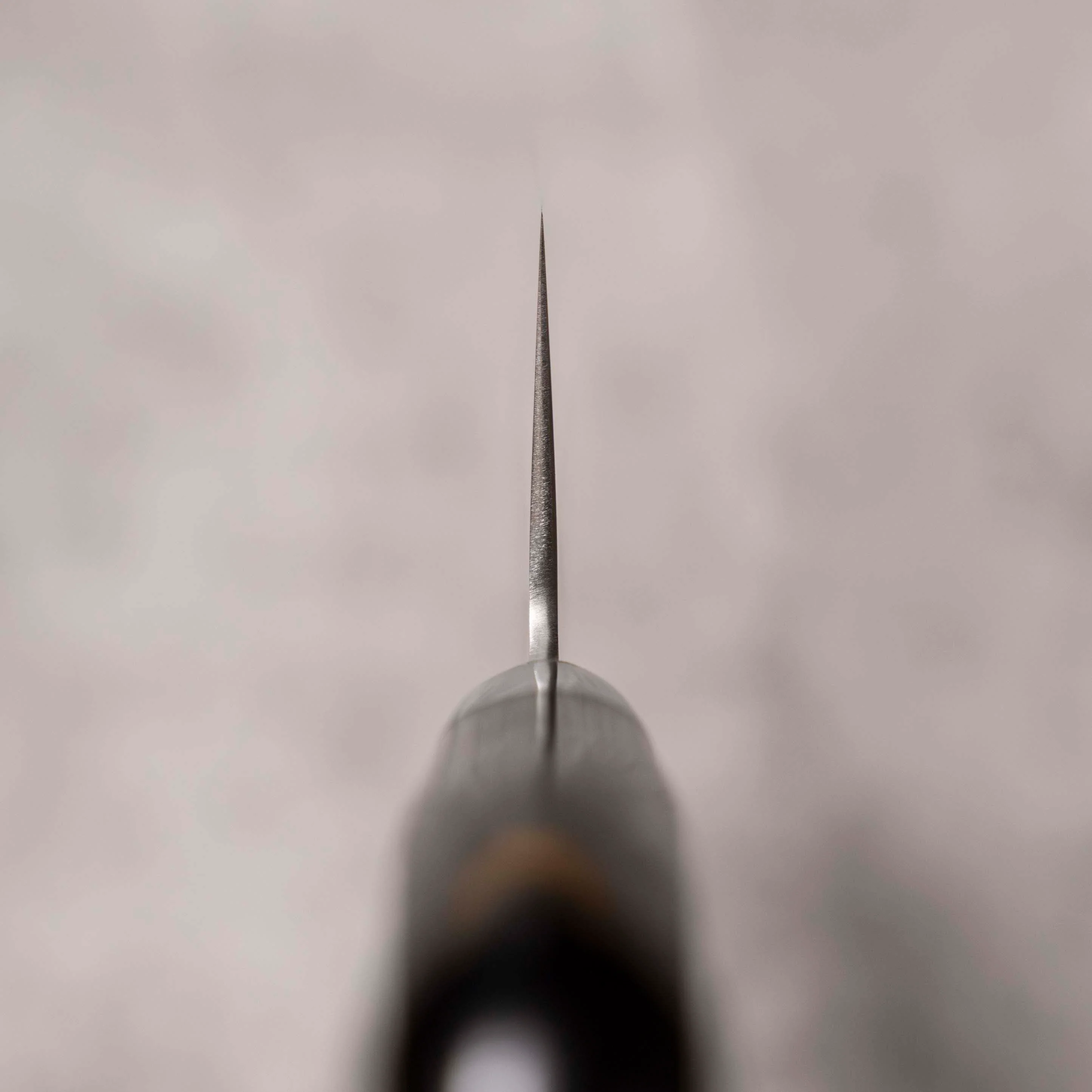
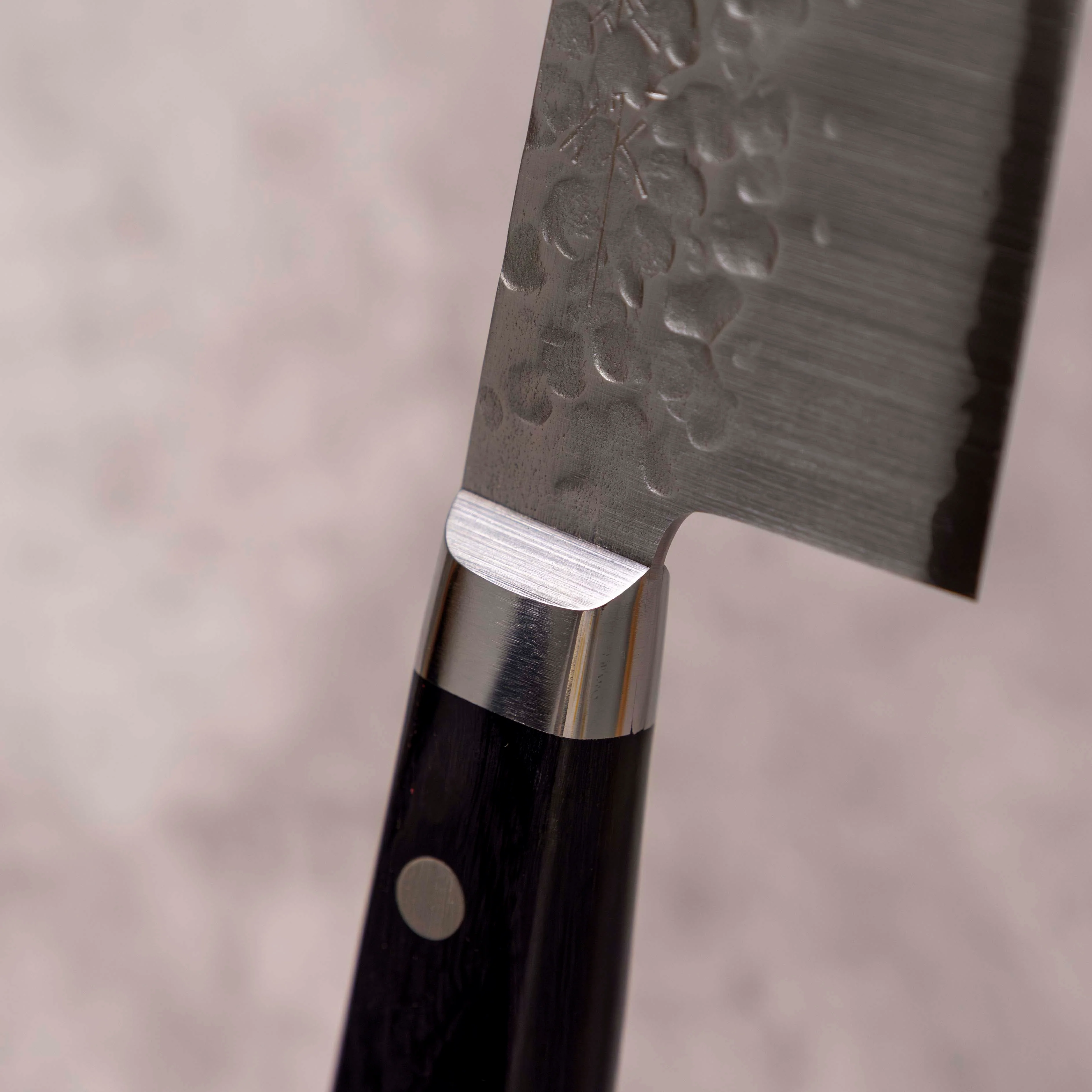
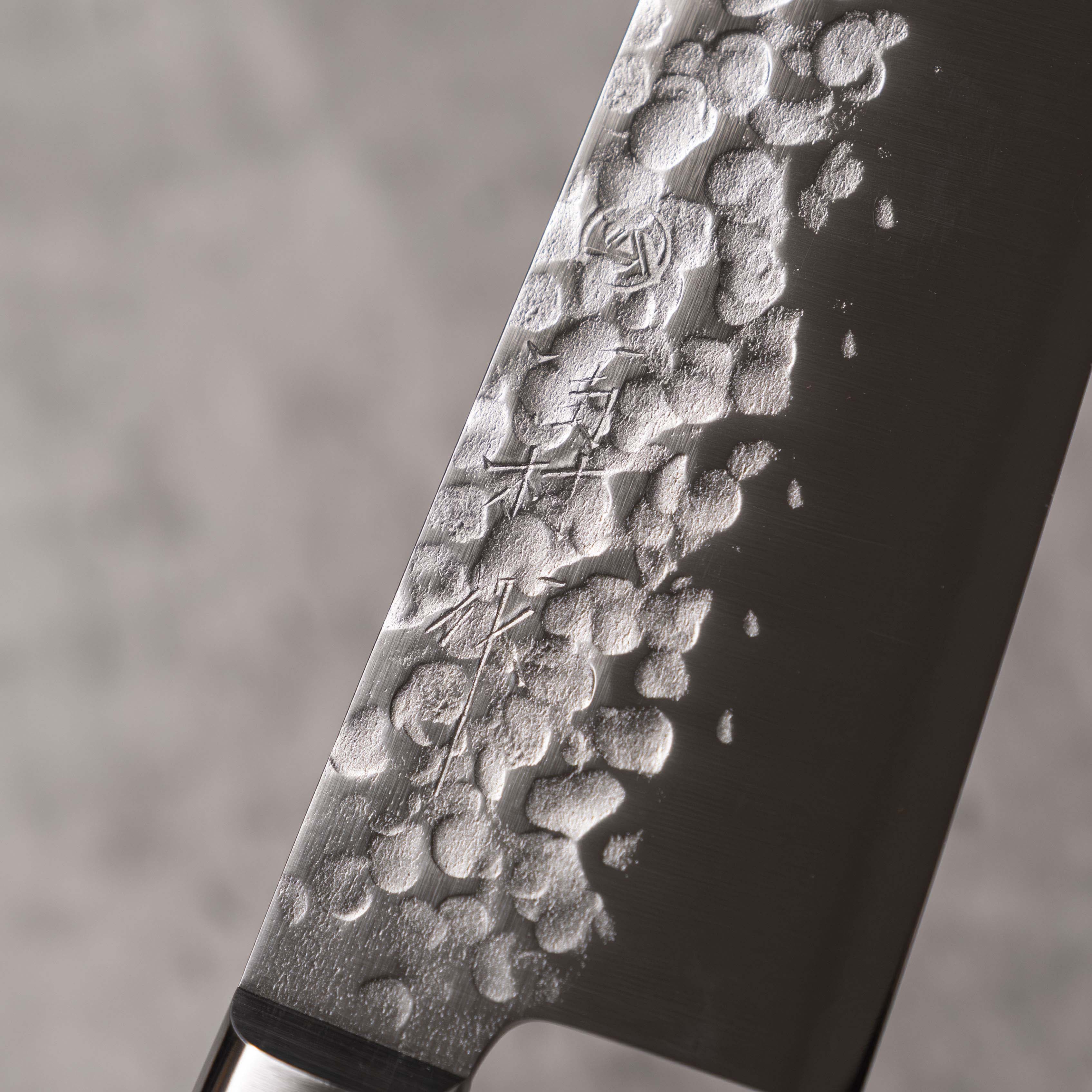
Takamura Tsuchime VG-10 Santoku 170 mm
| Blade Length | 170 mm |
| Total Length | 300 mm |
| Steel | VG-10 |
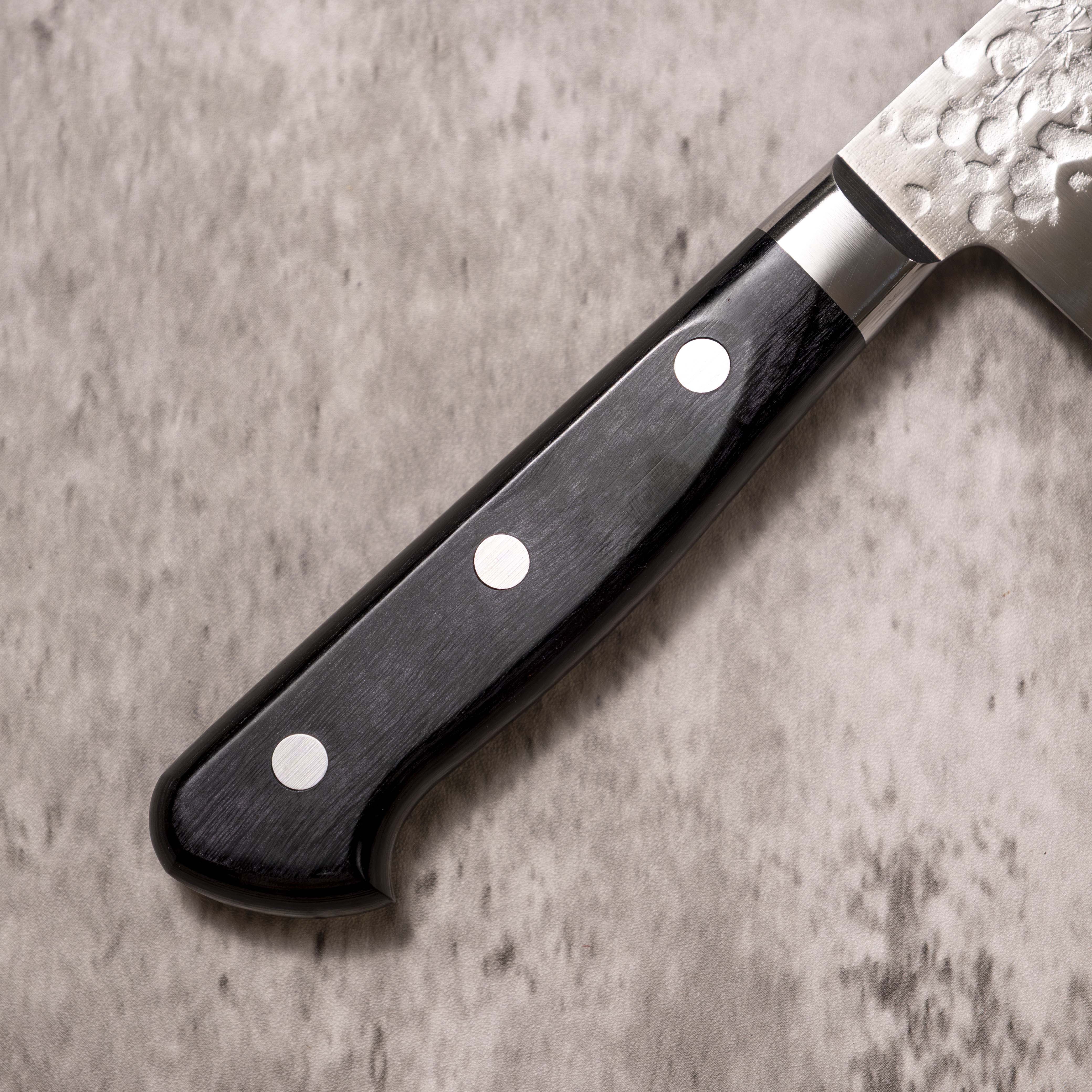
| Handle | Pakka wood |
| Ferrule | Welded Steel |
| Rockwell | 61-63 |
| Height Spine to heel | 46 mm |
| Width at Spine | 1.79 mm |
| Weight | 155 grams |
| Bevel | Double (50/50) |
The Knife
The word Santoku translates to "three virtues" which refers to either slicing, dicing and chopping or meat, fish and vegetables depending on who you ask. Basically the name tries to imply the extreme versatility of the blade which is what has made it so popular amongst home cooks in Japan and across the Globe. The santoku is slightly shorter than the average Gyuto (Chef's knife) making it less intimidating and easier to use while it remains capable of completing most, if not all, of the tasks it comes across in any kitchen.
The word Santoku translates to "three virtues" which refers to either slicing, dicing and chopping or meat, fish and vegetables depending on who you ask. Basically the name tries to imply the extreme versatility of the blade which is what has made it so popular amongst home cooks in Japan and across the Globe. The santoku is slightly shorter than the average Gyuto (Chef's knife) making it less intimidating and easier to use while it remains capable of completing most, if not all, of the tasks it comes across in any kitchen.
Knife Care (Stainless Steel)
- Although this knife is made from stainless steel we do still encourage our customers to keep their knives as dry and clean as possible.
- NO DISHWASHER - the high heat will ruin the wooden handle.
- Wash and dry by hand using regular dish soap and warm water using a none abrasive sponge or cloth.
- Ensure the knife is dry before being put away for storage and ensure the edge of the knife is protected to avoid any unnecessary dulling.
- Avoid Bones, Frozen foods, nuts and hard candies or anything other than fruits, vegetables and proteins.
Product Information
Product Information
Shipping & Returns
Shipping & Returns
Takamura Tsuchime VG-10 Santoku 170 mm
Takamura Tsuchime VG-10 Santoku 170 mm
| Blade Length | 170 mm |
| Total Length | 300 mm |
| Steel | VG-10 |
| Handle | Pakka wood |
| Ferrule | Welded Steel |
| Rockwell | 61-63 |
| Height Spine to heel | 46 mm |
| Width at Spine | 1.79 mm |
| Weight | 155 grams |
| Bevel | Double (50/50) |
The Knife
The word Santoku translates to "three virtues" which refers to either slicing, dicing and chopping or meat, fish and vegetables depending on who you ask. Basically the name tries to imply the extreme versatility of the blade which is what has made it so popular amongst home cooks in Japan and across the Globe. The santoku is slightly shorter than the average Gyuto (Chef's knife) making it less intimidating and easier to use while it remains capable of completing most, if not all, of the tasks it comes across in any kitchen.
The word Santoku translates to "three virtues" which refers to either slicing, dicing and chopping or meat, fish and vegetables depending on who you ask. Basically the name tries to imply the extreme versatility of the blade which is what has made it so popular amongst home cooks in Japan and across the Globe. The santoku is slightly shorter than the average Gyuto (Chef's knife) making it less intimidating and easier to use while it remains capable of completing most, if not all, of the tasks it comes across in any kitchen.
Knife Care (Stainless Steel)
- Although this knife is made from stainless steel we do still encourage our customers to keep their knives as dry and clean as possible.
- NO DISHWASHER - the high heat will ruin the wooden handle.
- Wash and dry by hand using regular dish soap and warm water using a none abrasive sponge or cloth.
- Ensure the knife is dry before being put away for storage and ensure the edge of the knife is protected to avoid any unnecessary dulling.
- Avoid Bones, Frozen foods, nuts and hard candies or anything other than fruits, vegetables and proteins.
$48.92
Original: $139.76
-65%Takamura Tsuchime VG-10 Santoku 170 mm—
$139.76
$48.92Product Information
Product Information
Shipping & Returns
Shipping & Returns
Description
| Blade Length | 170 mm |
| Total Length | 300 mm |
| Steel | VG-10 |
| Handle | Pakka wood |
| Ferrule | Welded Steel |
| Rockwell | 61-63 |
| Height Spine to heel | 46 mm |
| Width at Spine | 1.79 mm |
| Weight | 155 grams |
| Bevel | Double (50/50) |
The Knife
The word Santoku translates to "three virtues" which refers to either slicing, dicing and chopping or meat, fish and vegetables depending on who you ask. Basically the name tries to imply the extreme versatility of the blade which is what has made it so popular amongst home cooks in Japan and across the Globe. The santoku is slightly shorter than the average Gyuto (Chef's knife) making it less intimidating and easier to use while it remains capable of completing most, if not all, of the tasks it comes across in any kitchen.
The word Santoku translates to "three virtues" which refers to either slicing, dicing and chopping or meat, fish and vegetables depending on who you ask. Basically the name tries to imply the extreme versatility of the blade which is what has made it so popular amongst home cooks in Japan and across the Globe. The santoku is slightly shorter than the average Gyuto (Chef's knife) making it less intimidating and easier to use while it remains capable of completing most, if not all, of the tasks it comes across in any kitchen.
Knife Care (Stainless Steel)
- Although this knife is made from stainless steel we do still encourage our customers to keep their knives as dry and clean as possible.
- NO DISHWASHER - the high heat will ruin the wooden handle.
- Wash and dry by hand using regular dish soap and warm water using a none abrasive sponge or cloth.
- Ensure the knife is dry before being put away for storage and ensure the edge of the knife is protected to avoid any unnecessary dulling.
- Avoid Bones, Frozen foods, nuts and hard candies or anything other than fruits, vegetables and proteins.