🎉 Up to 70% Off Selected ItemsShop Sale
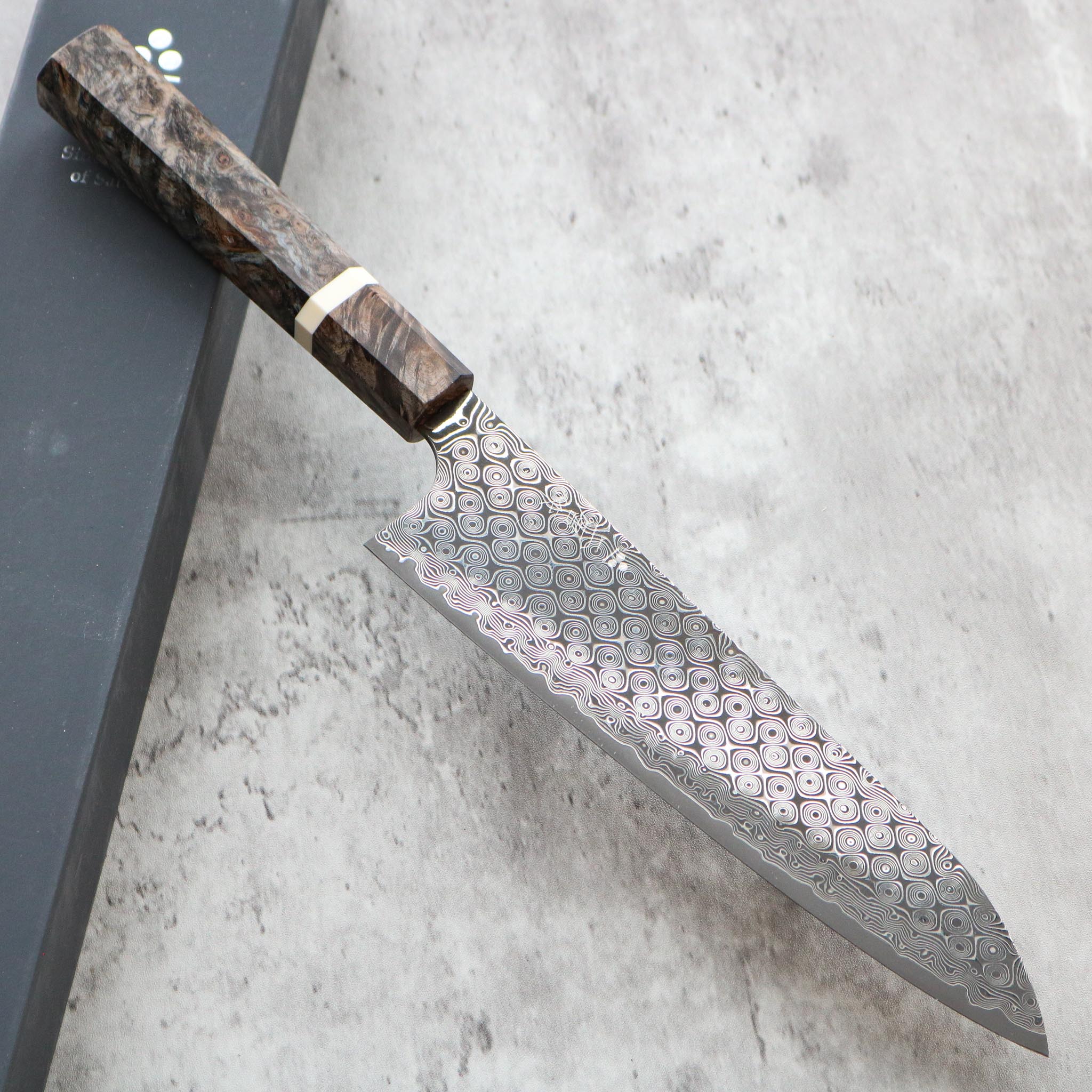
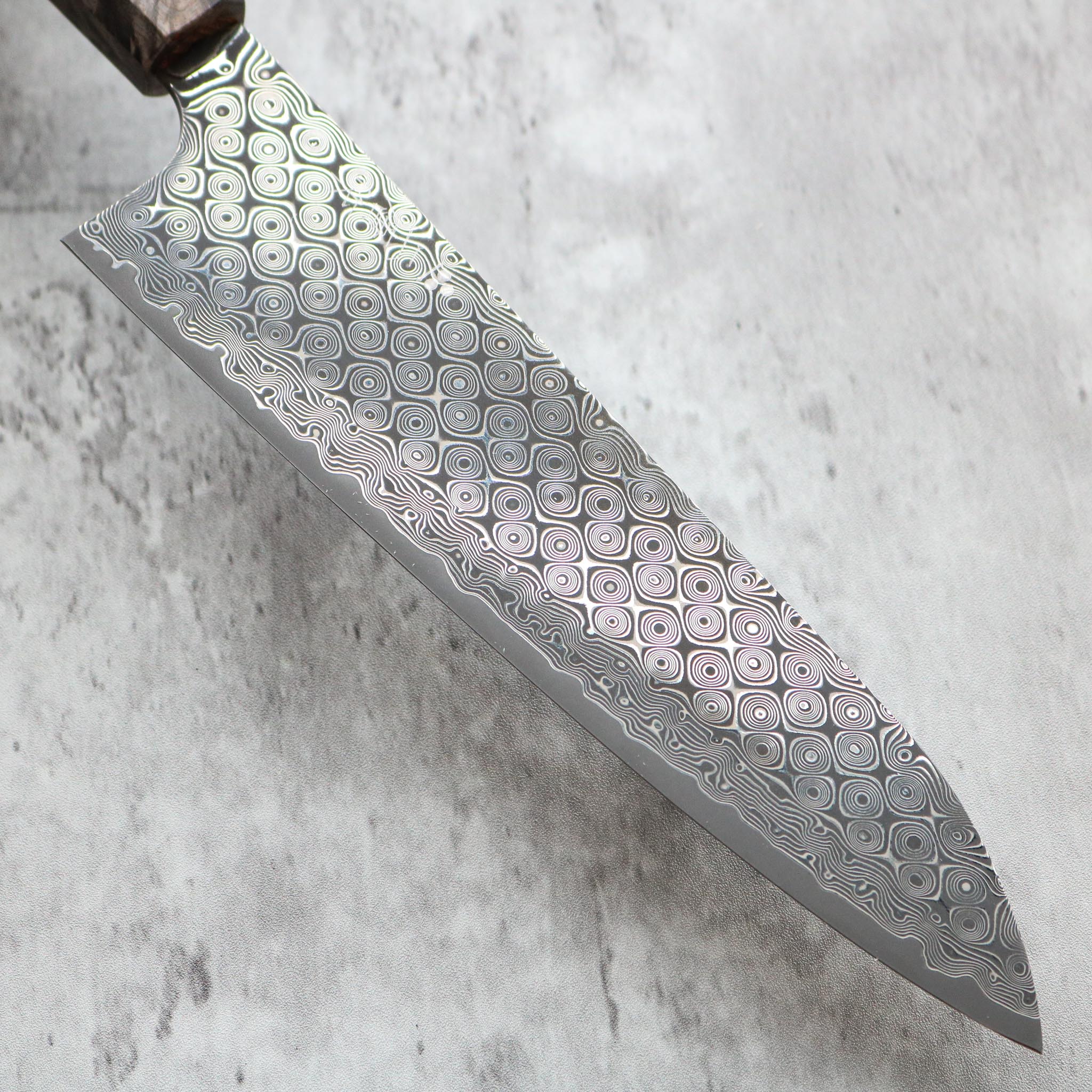
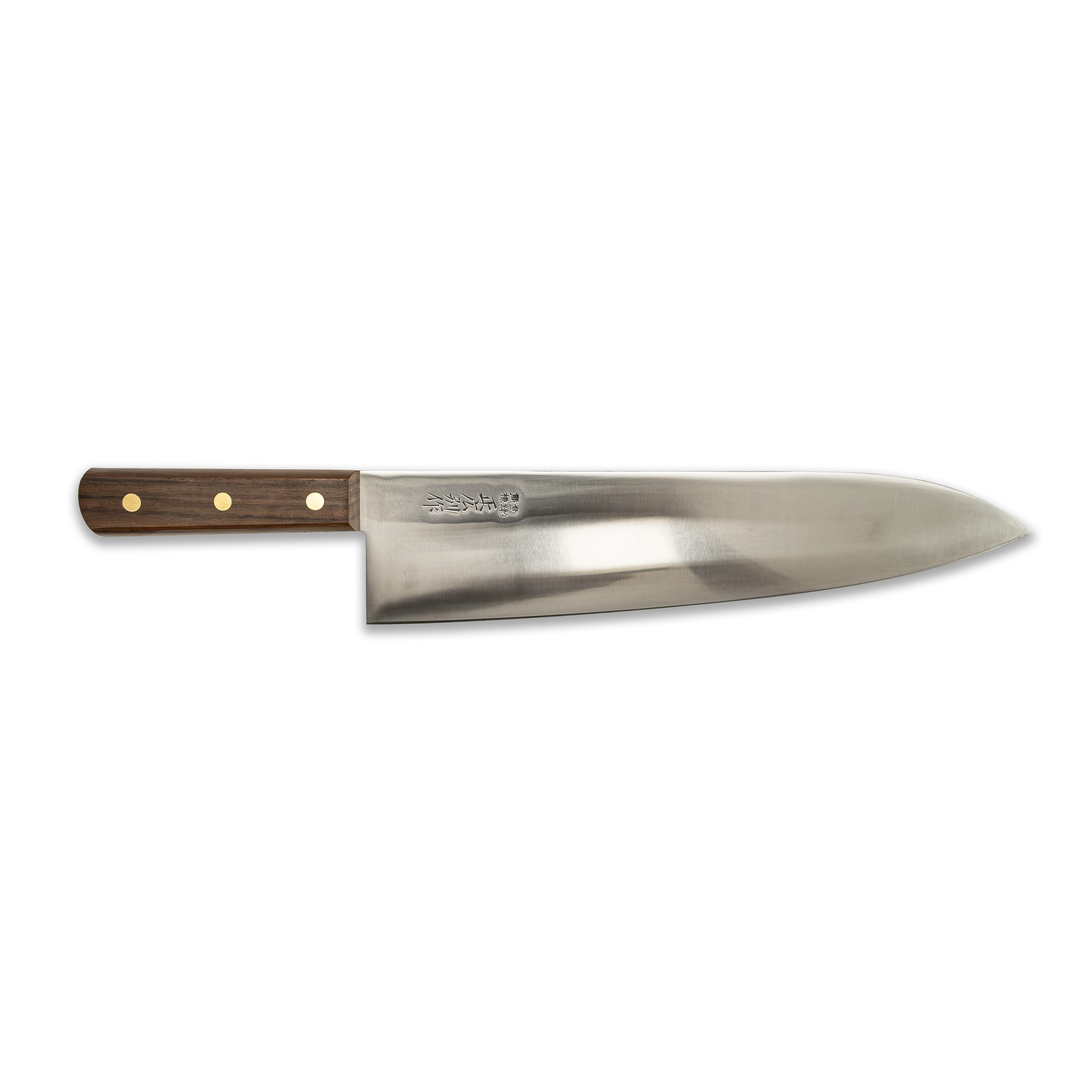
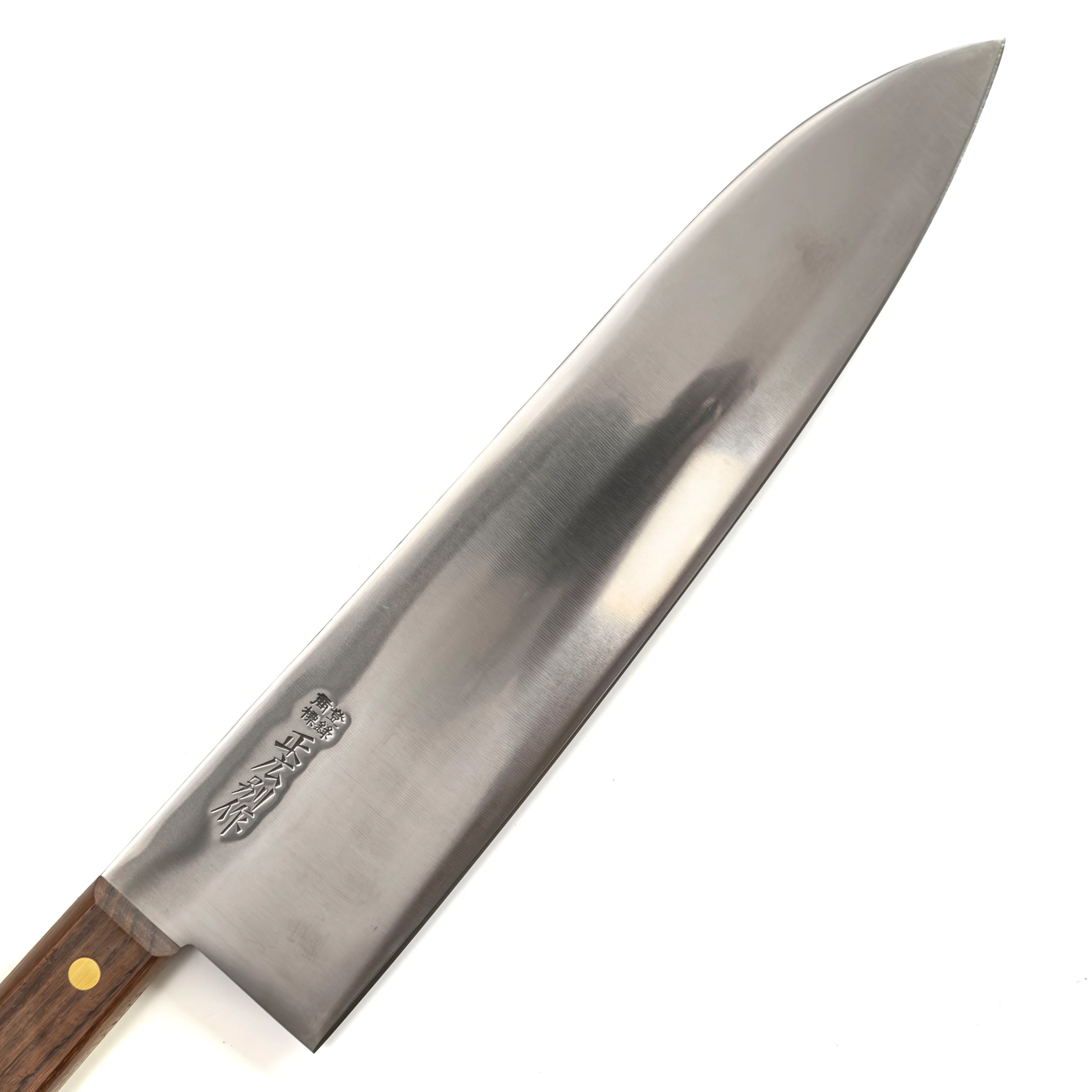
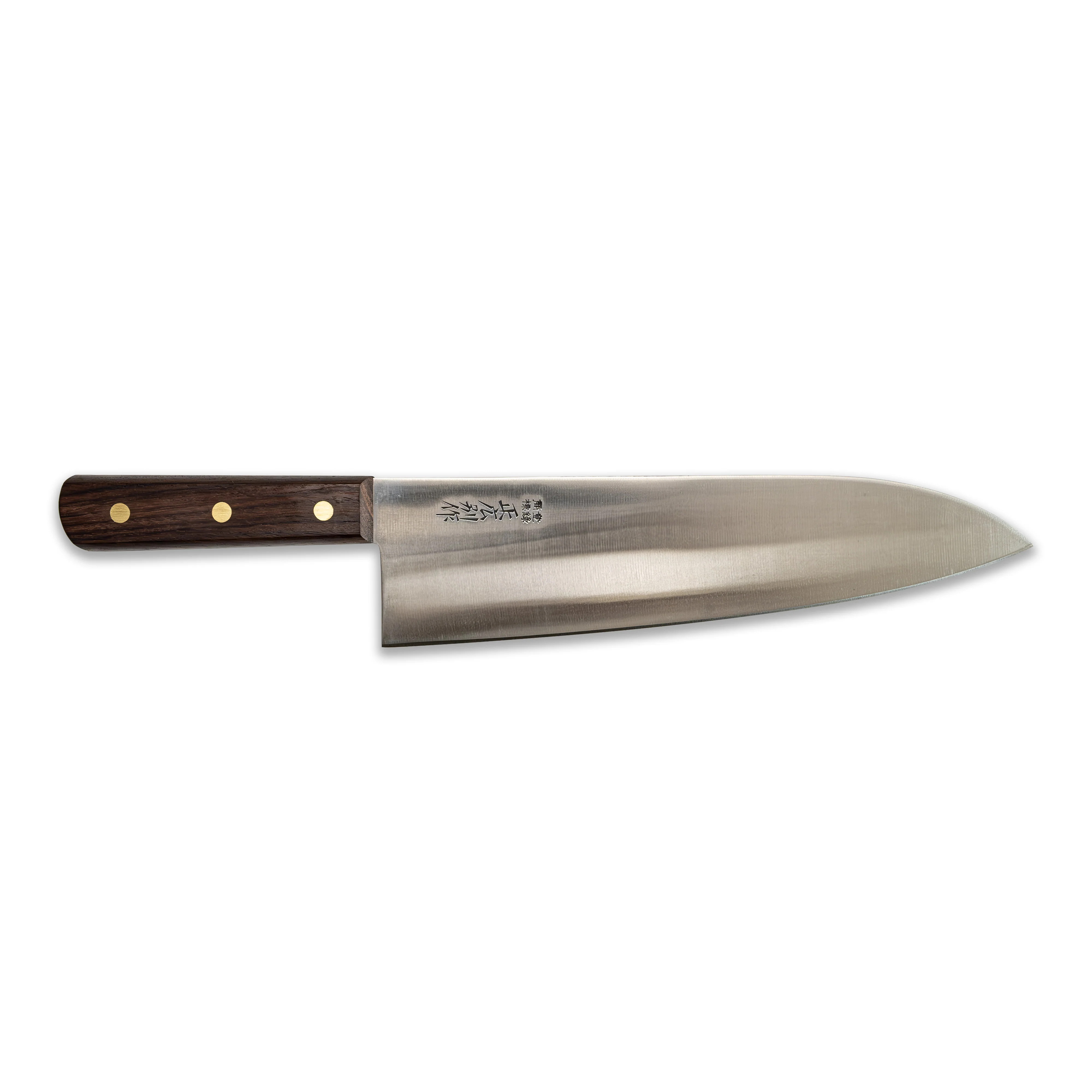
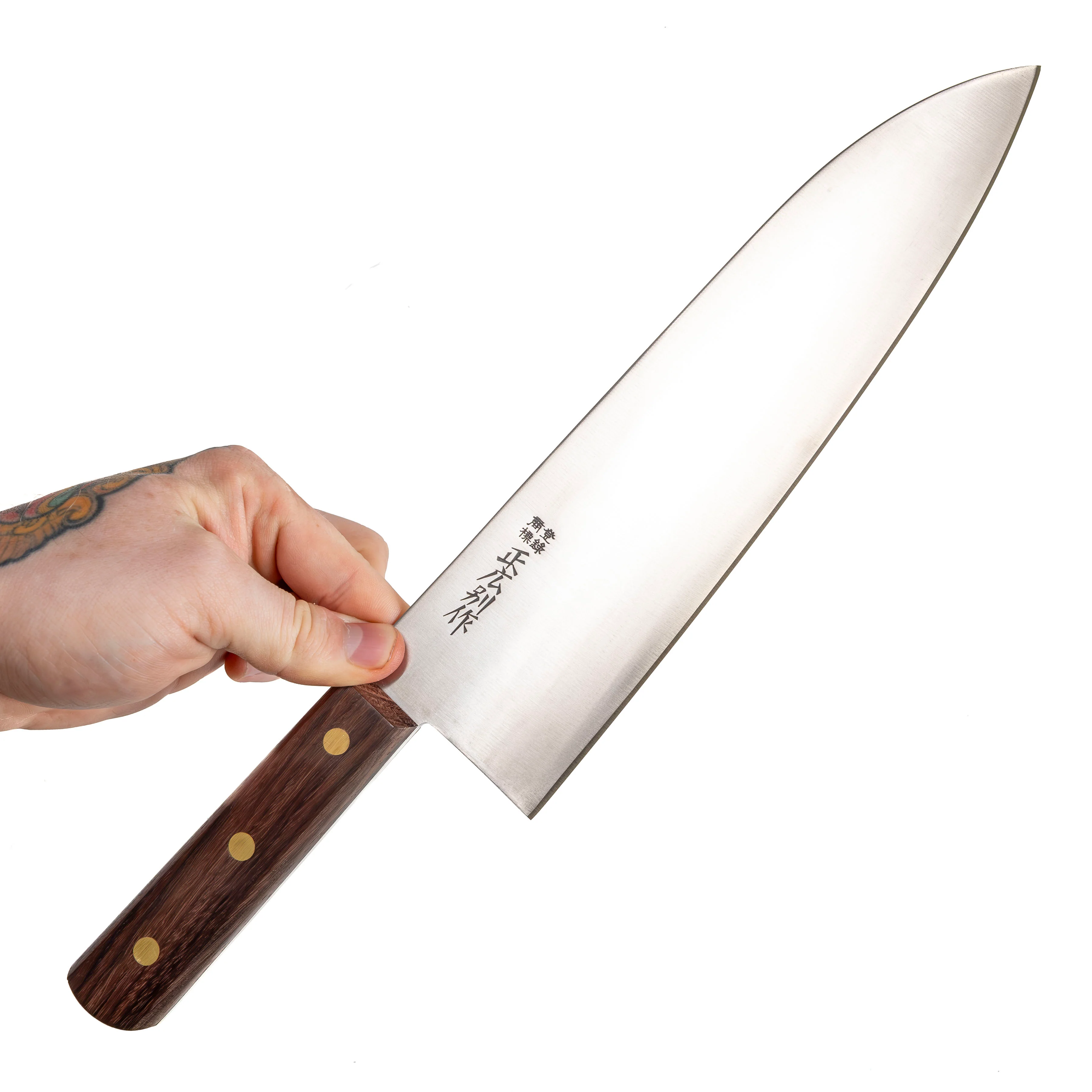
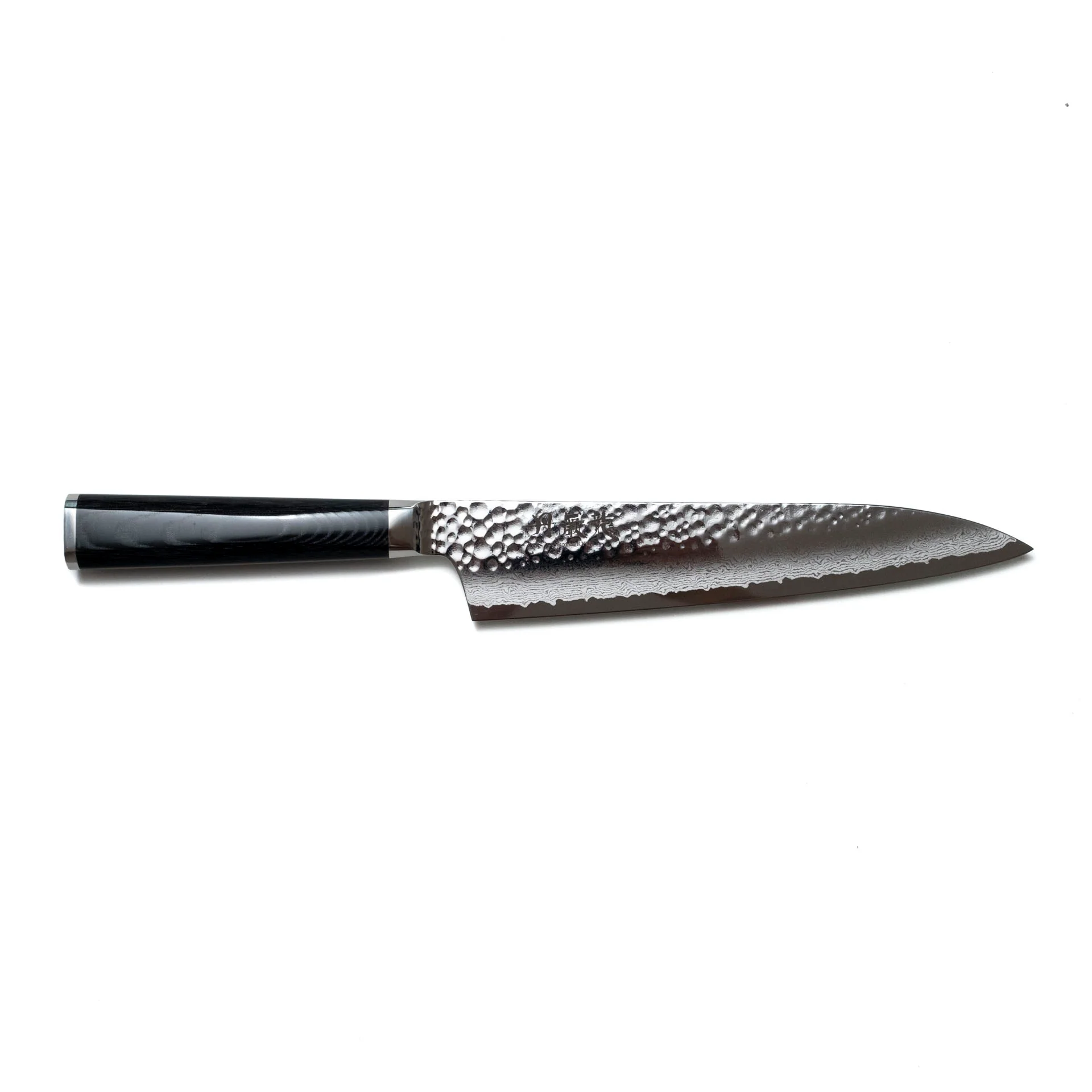
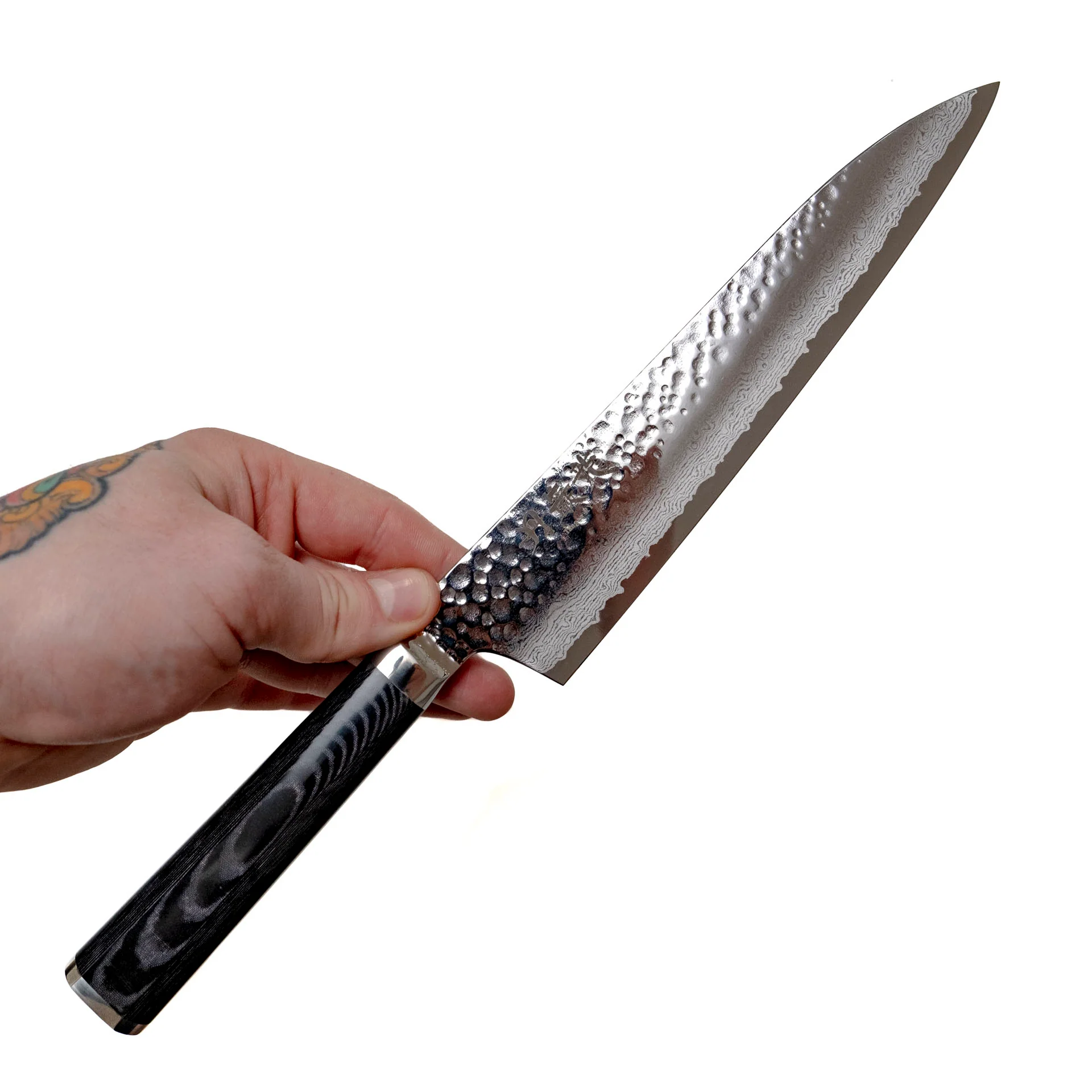
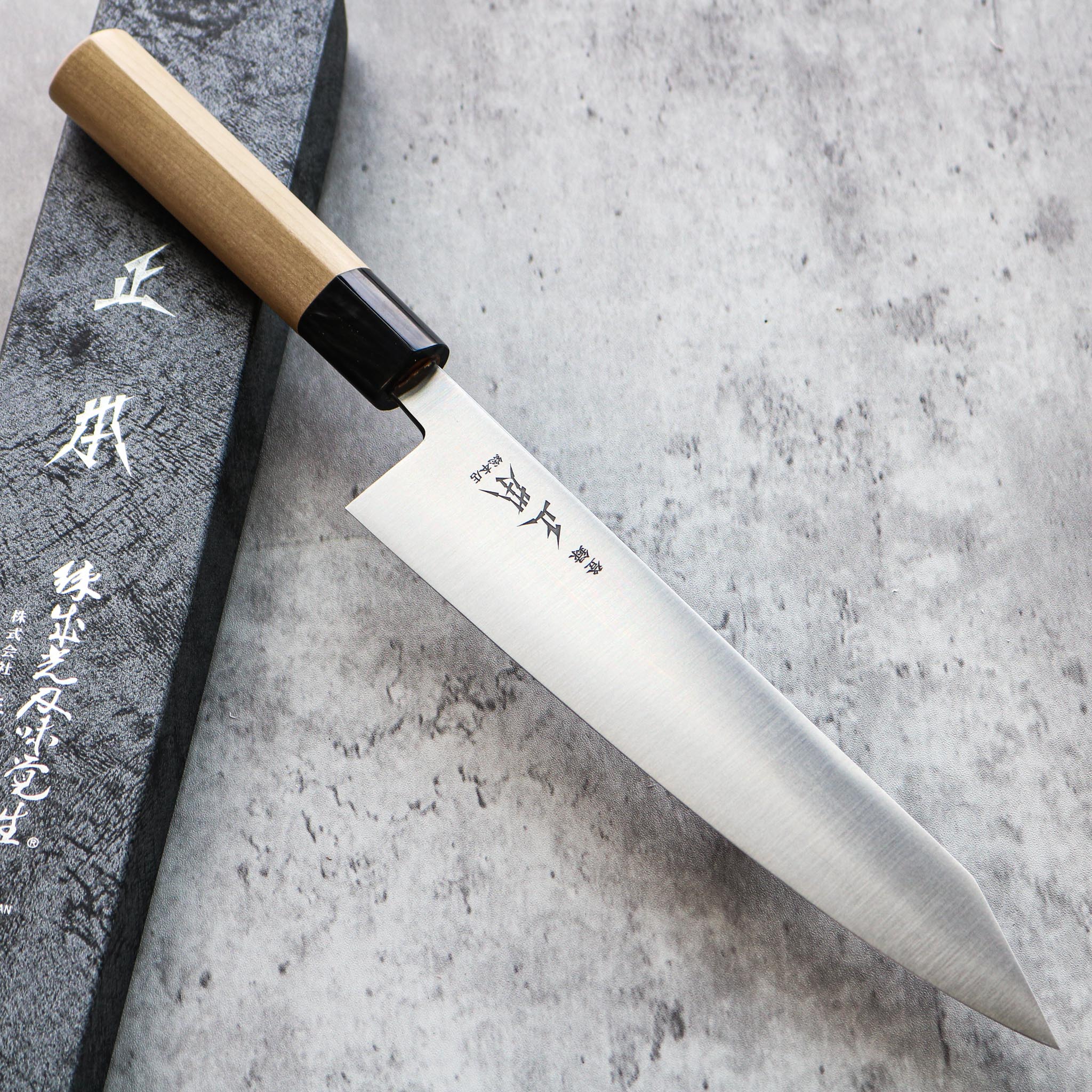
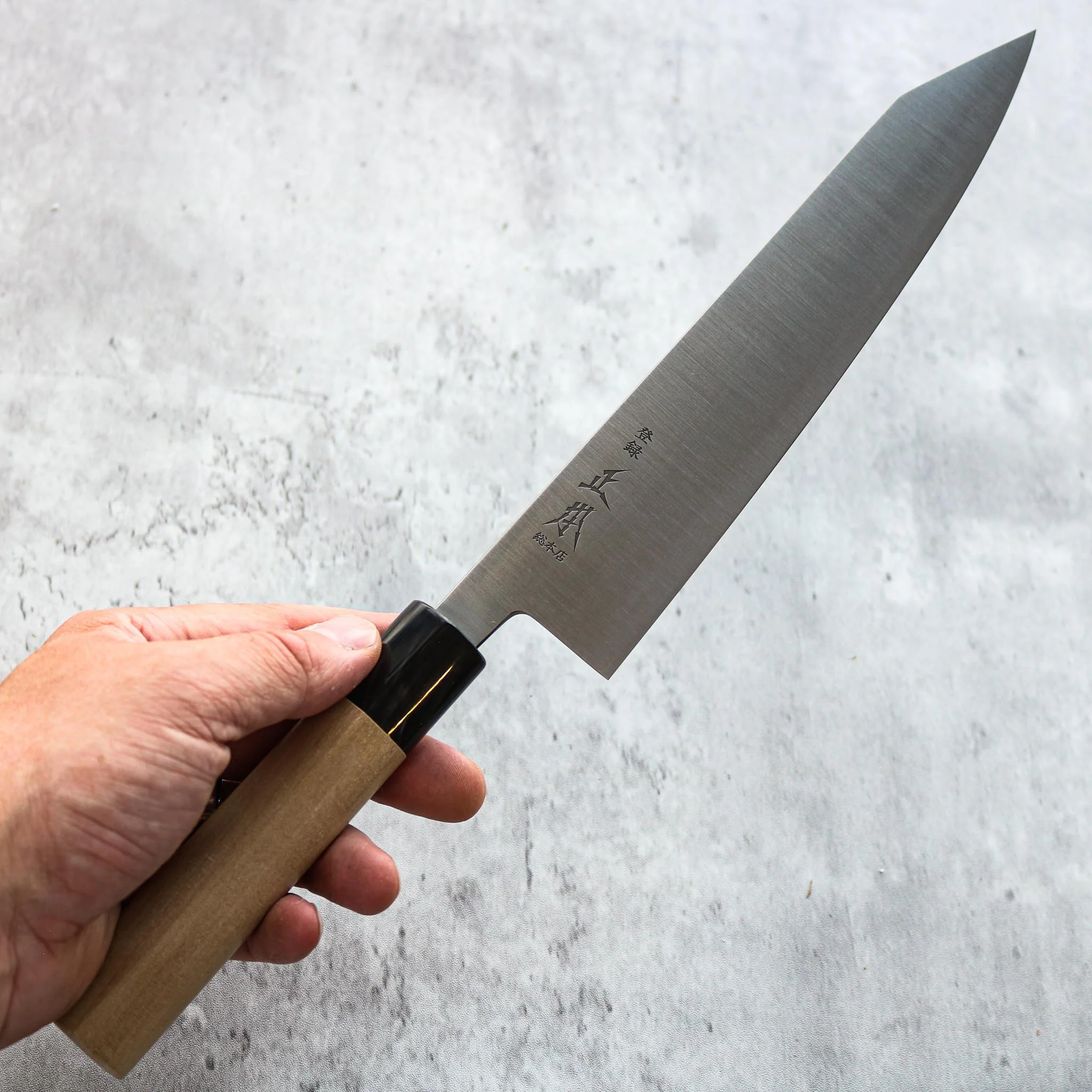
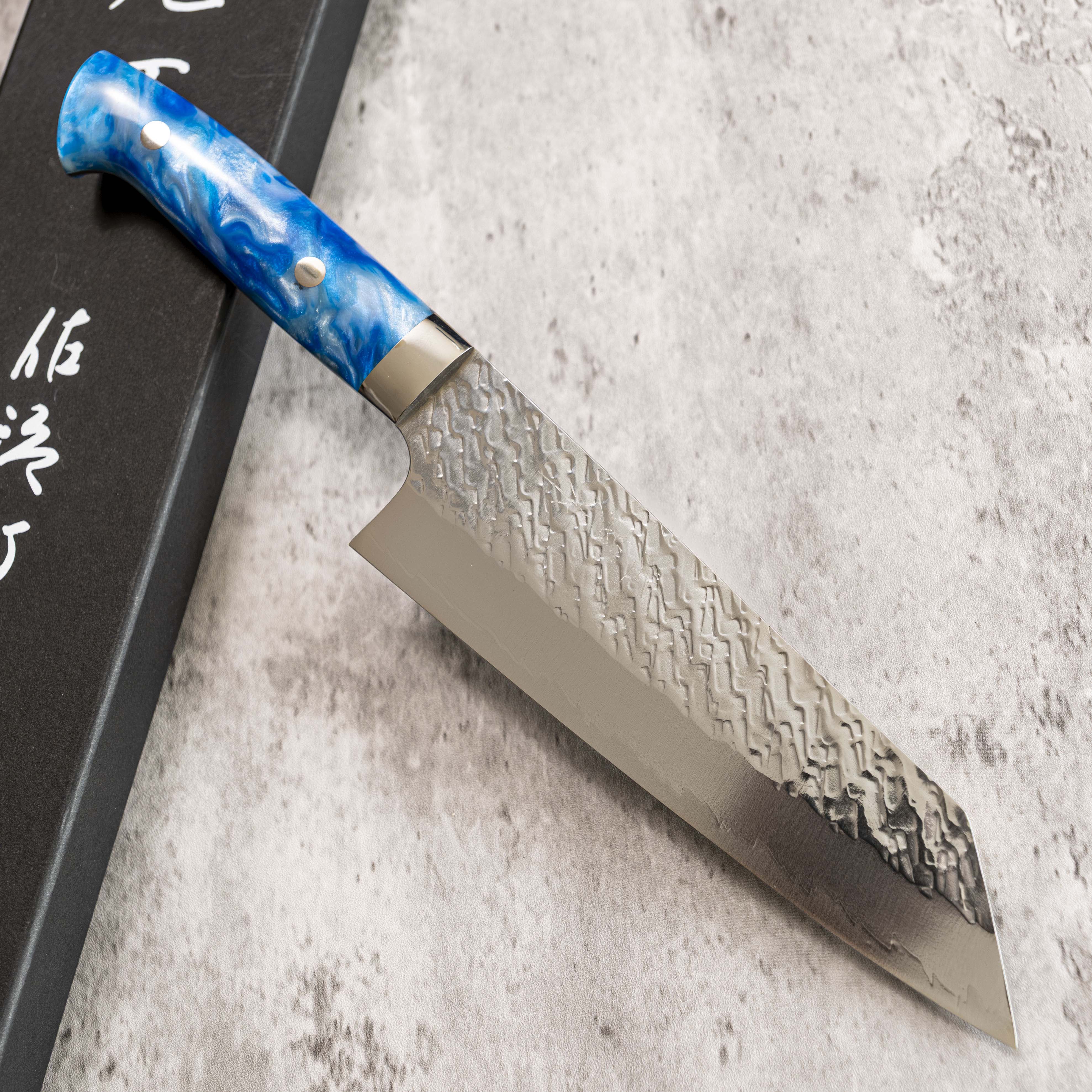
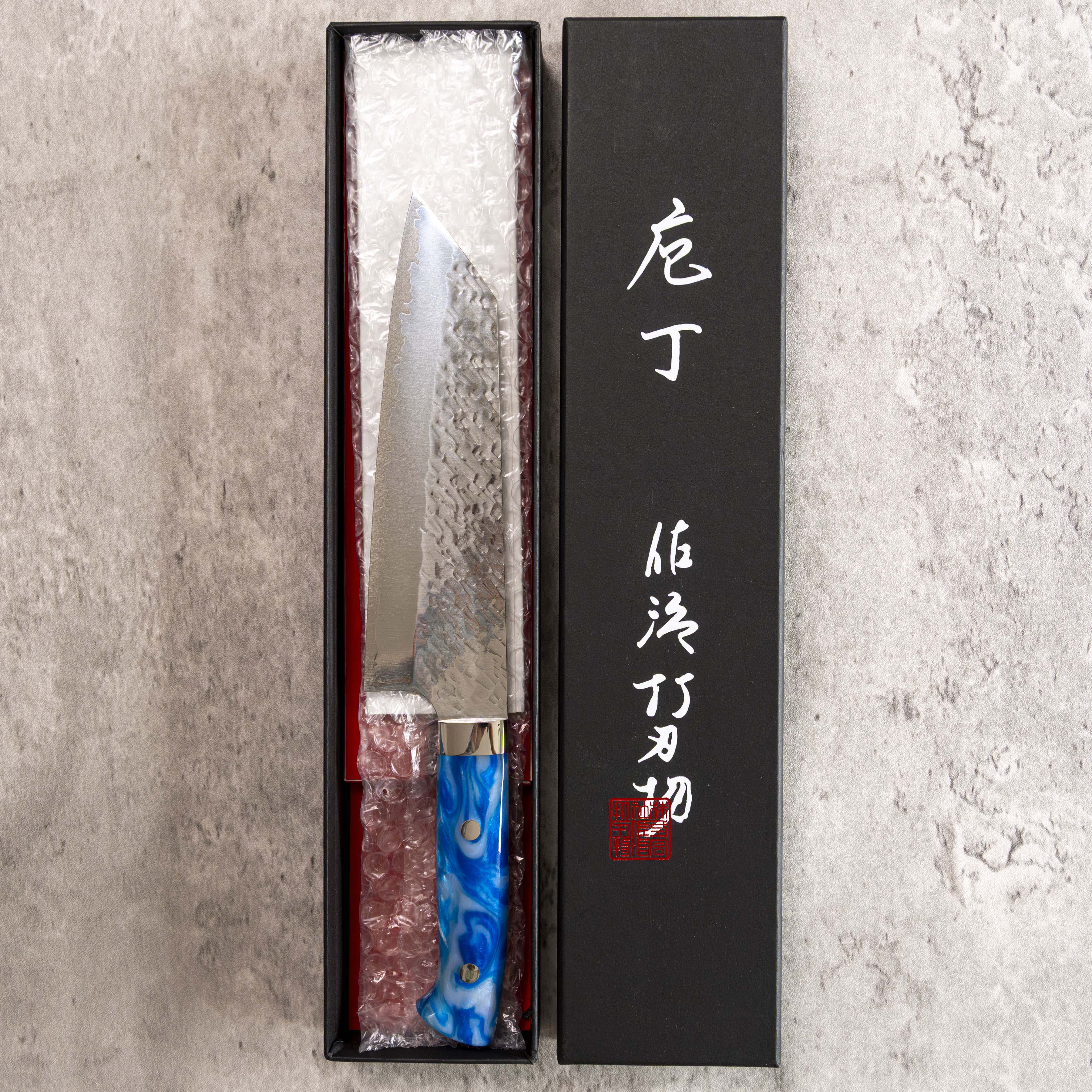
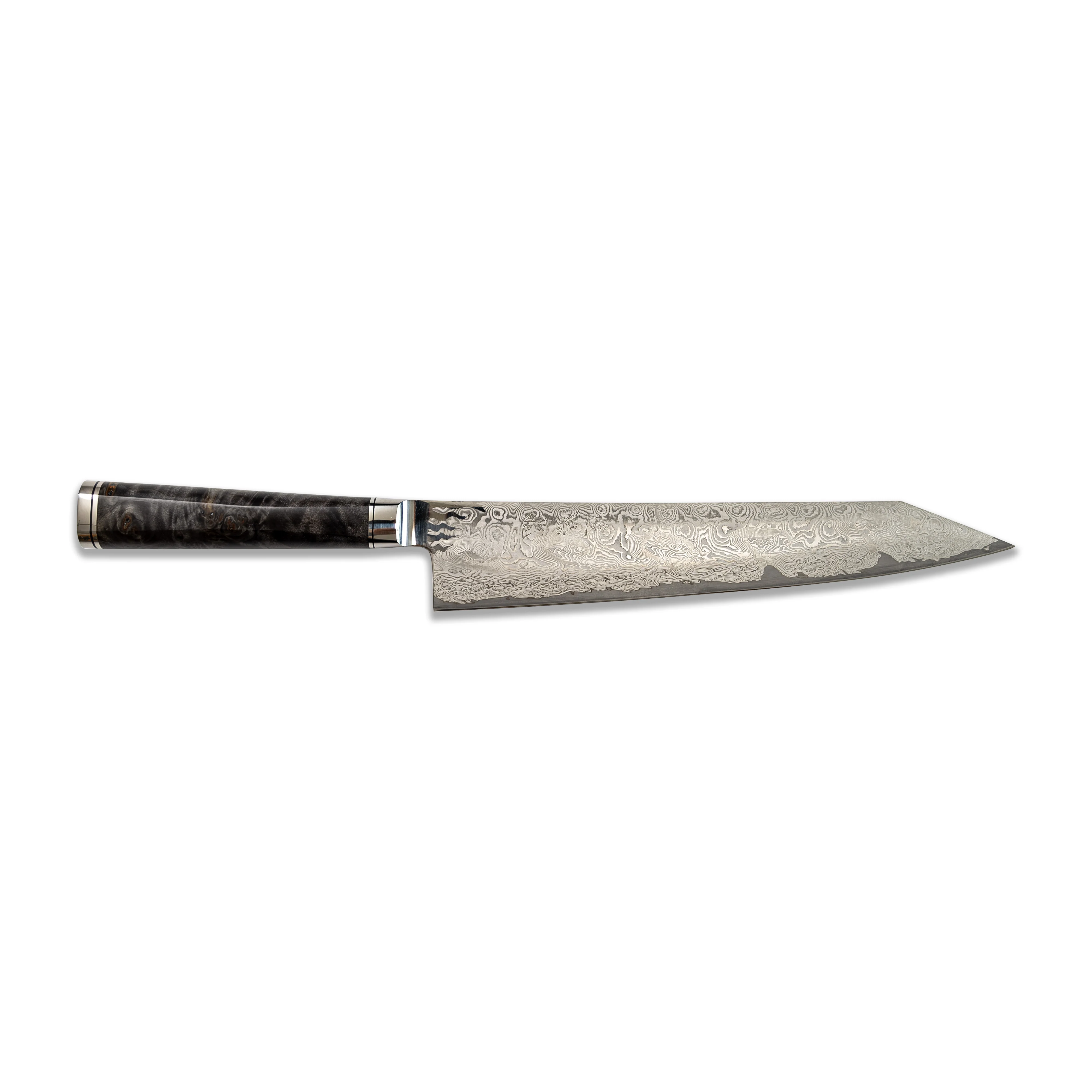
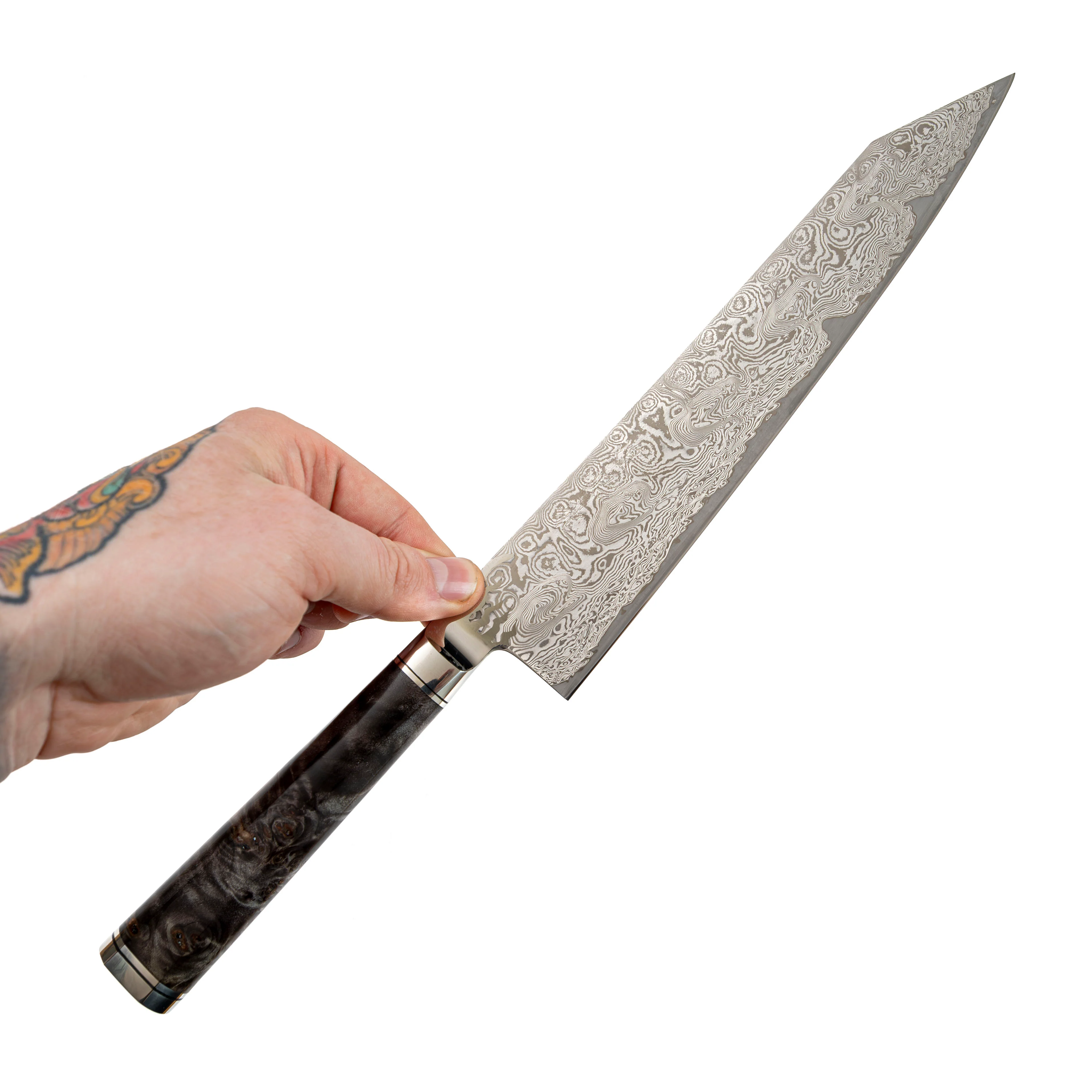
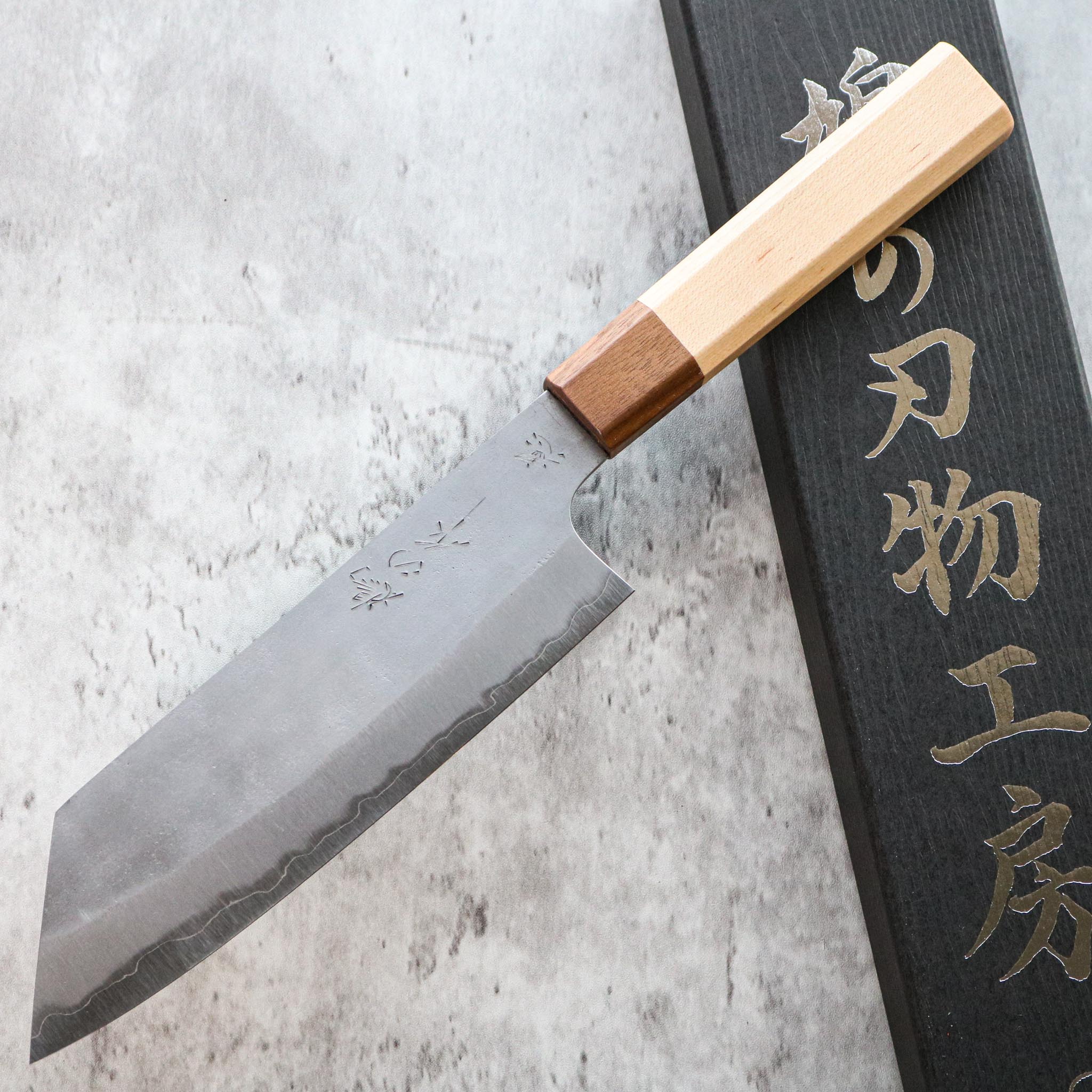
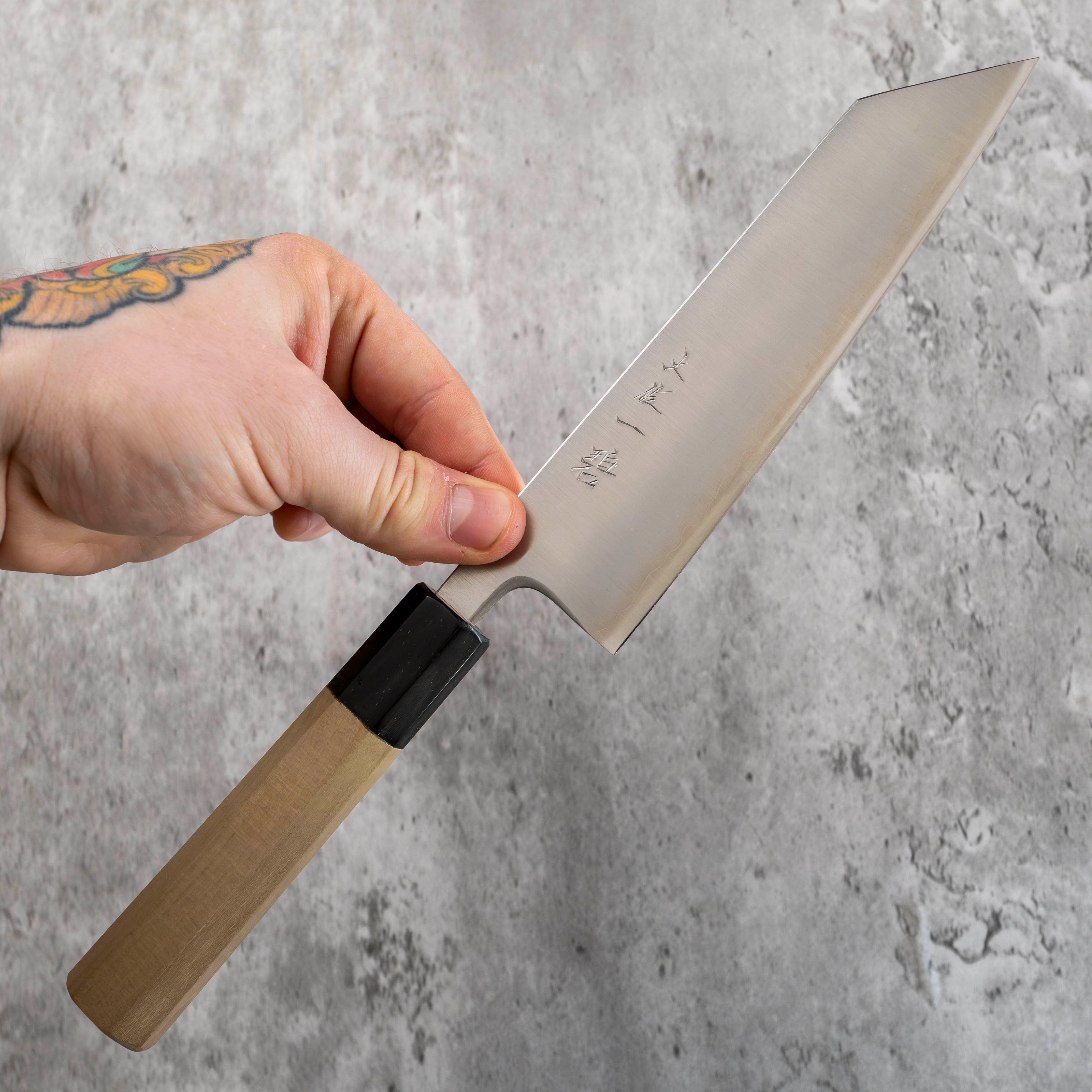
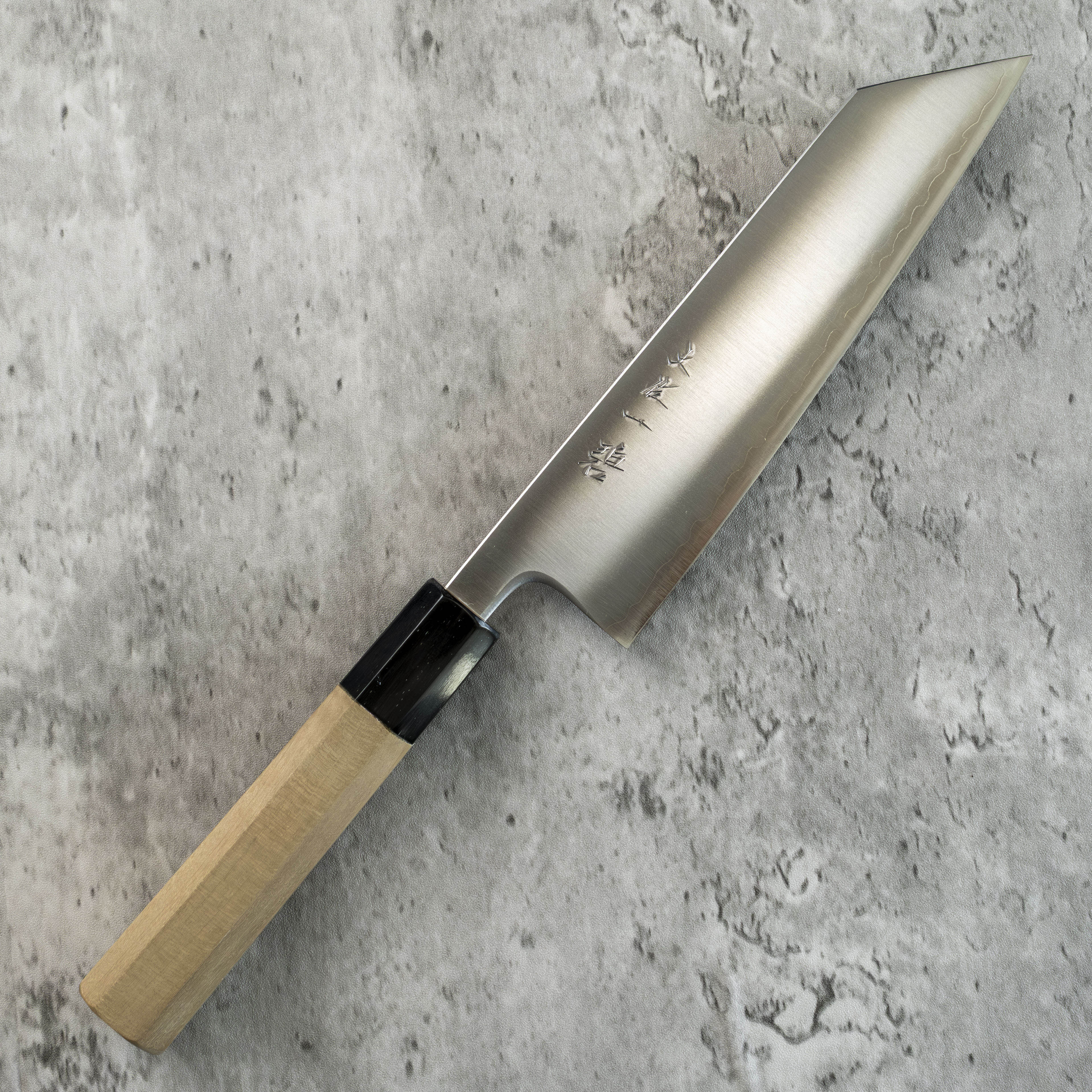
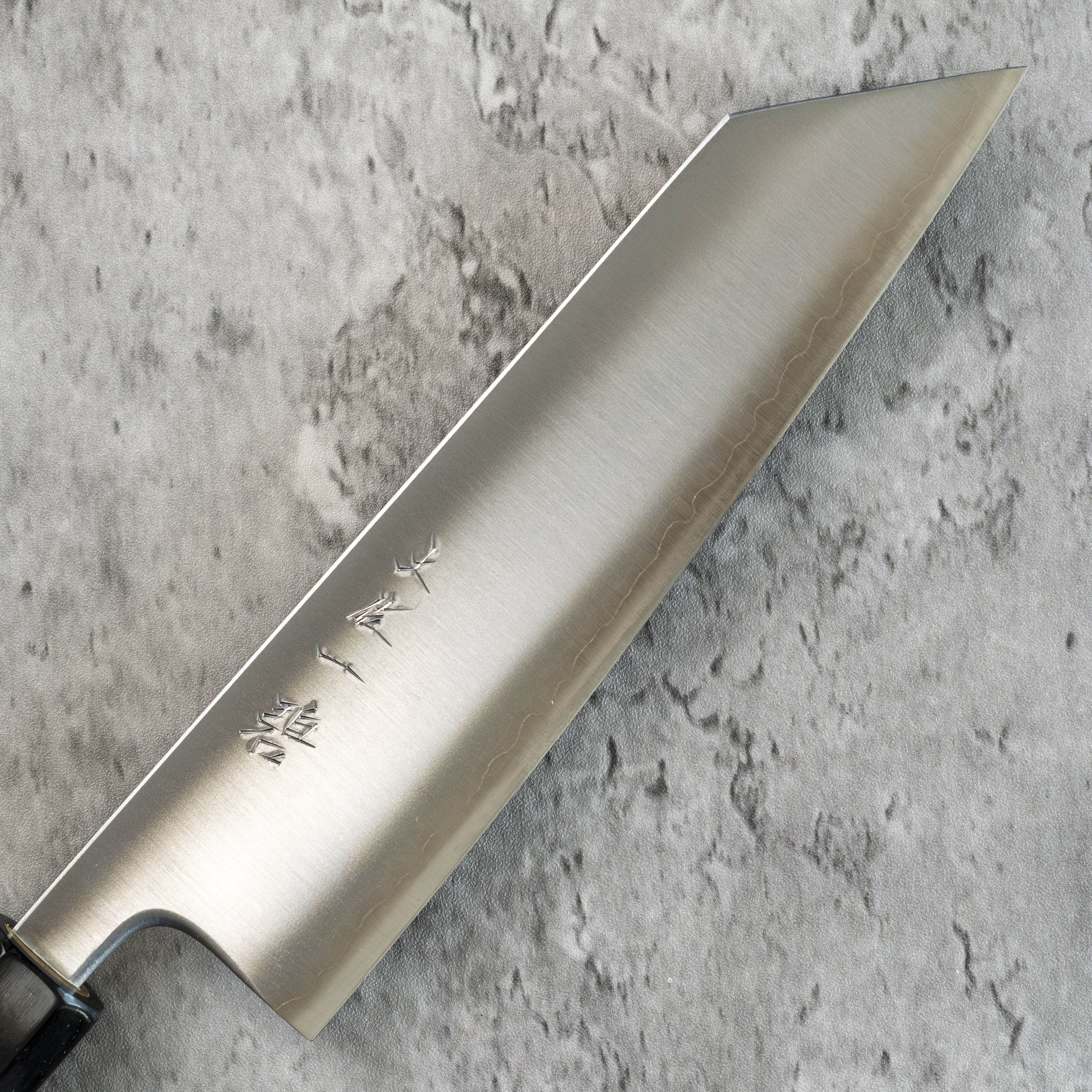
Tosaichi AO Super Bunka 170mm
| Blade Length | 170 mm |
| Total Length | 310 mm |
| Steel | Aogami (Blue) Super (Stainless Clad) |
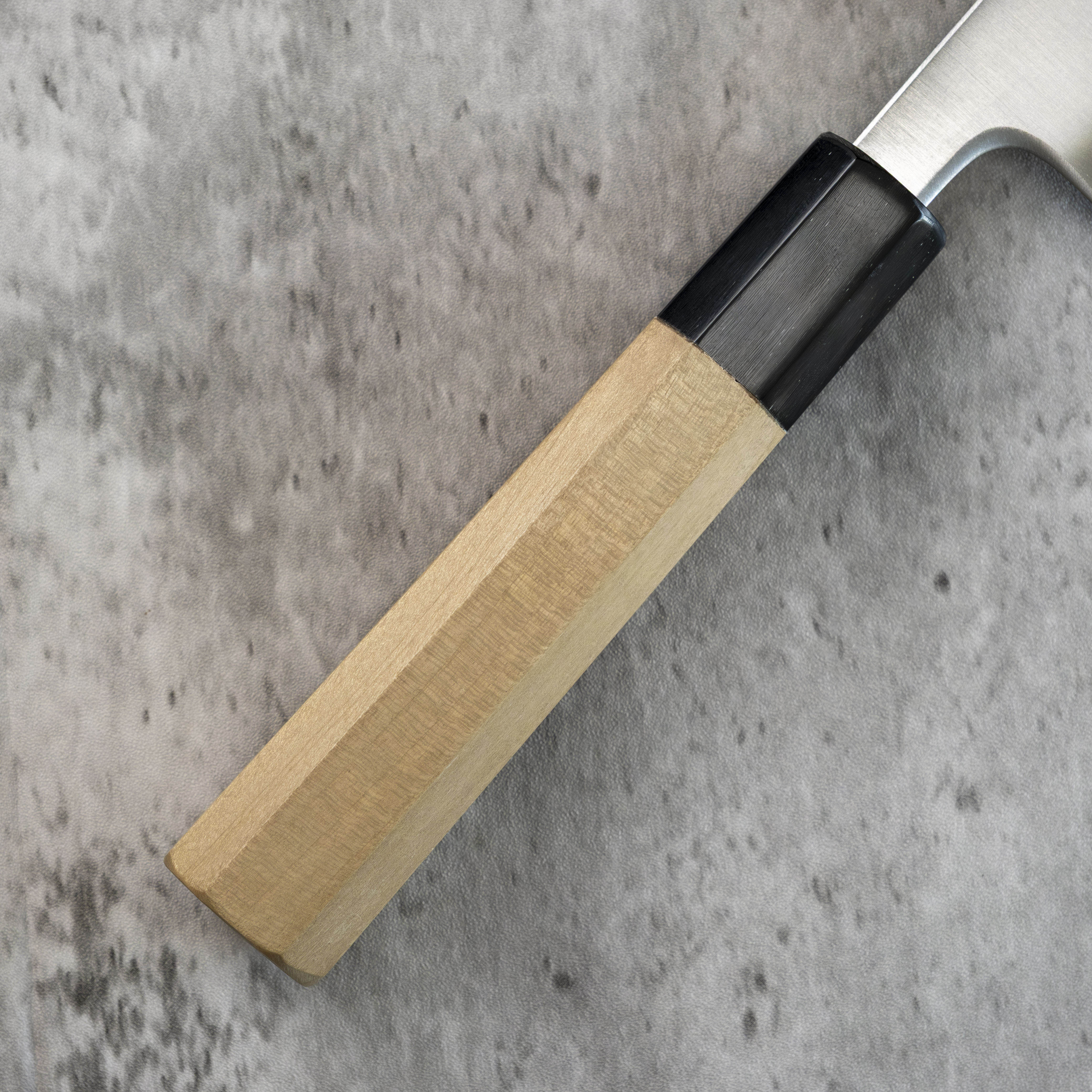
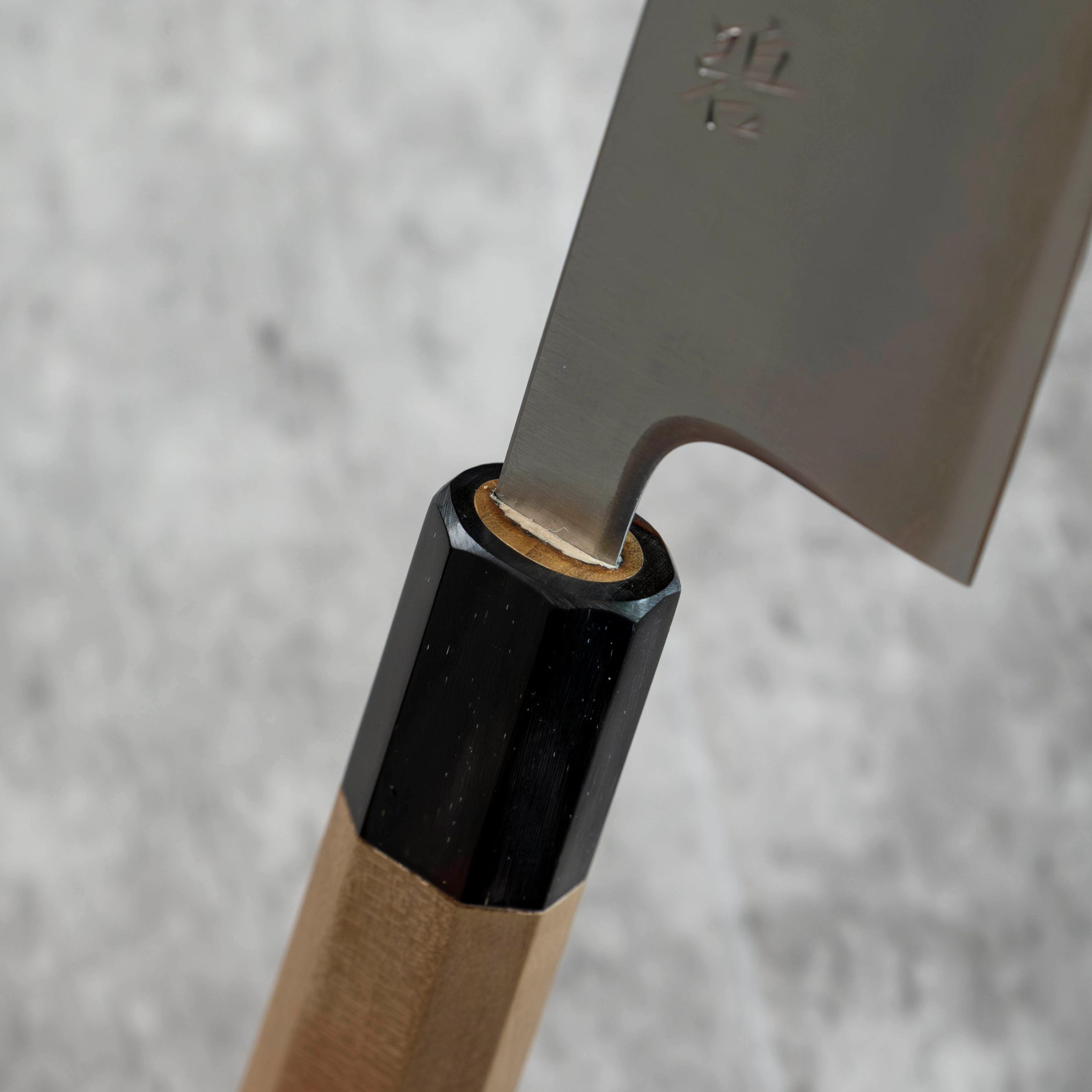
| Handle | Magnolia |
| Ferrule | Buffalo Horn |
| Rockwell | 62-63 |
| Height Spine to heel | 42 mm |
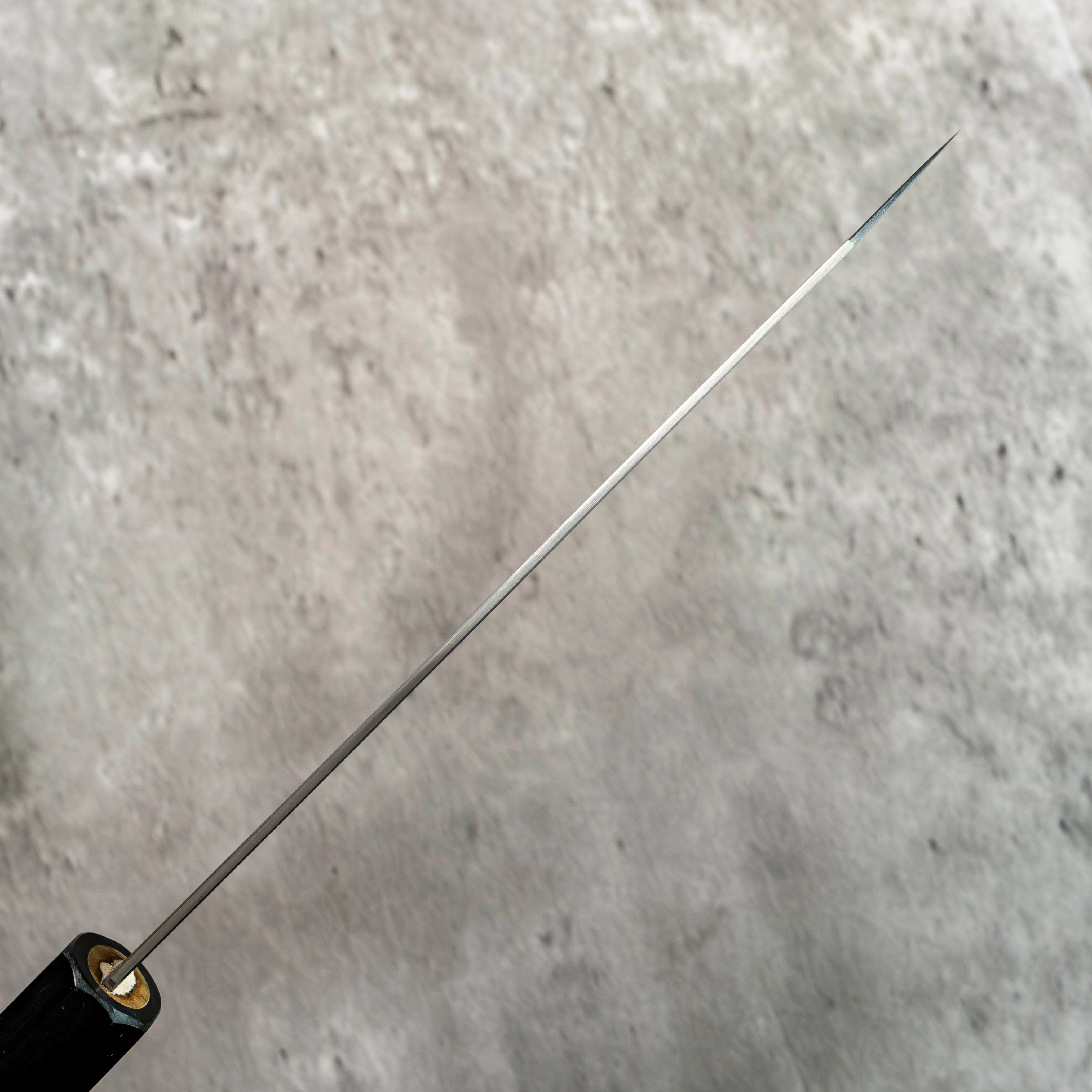
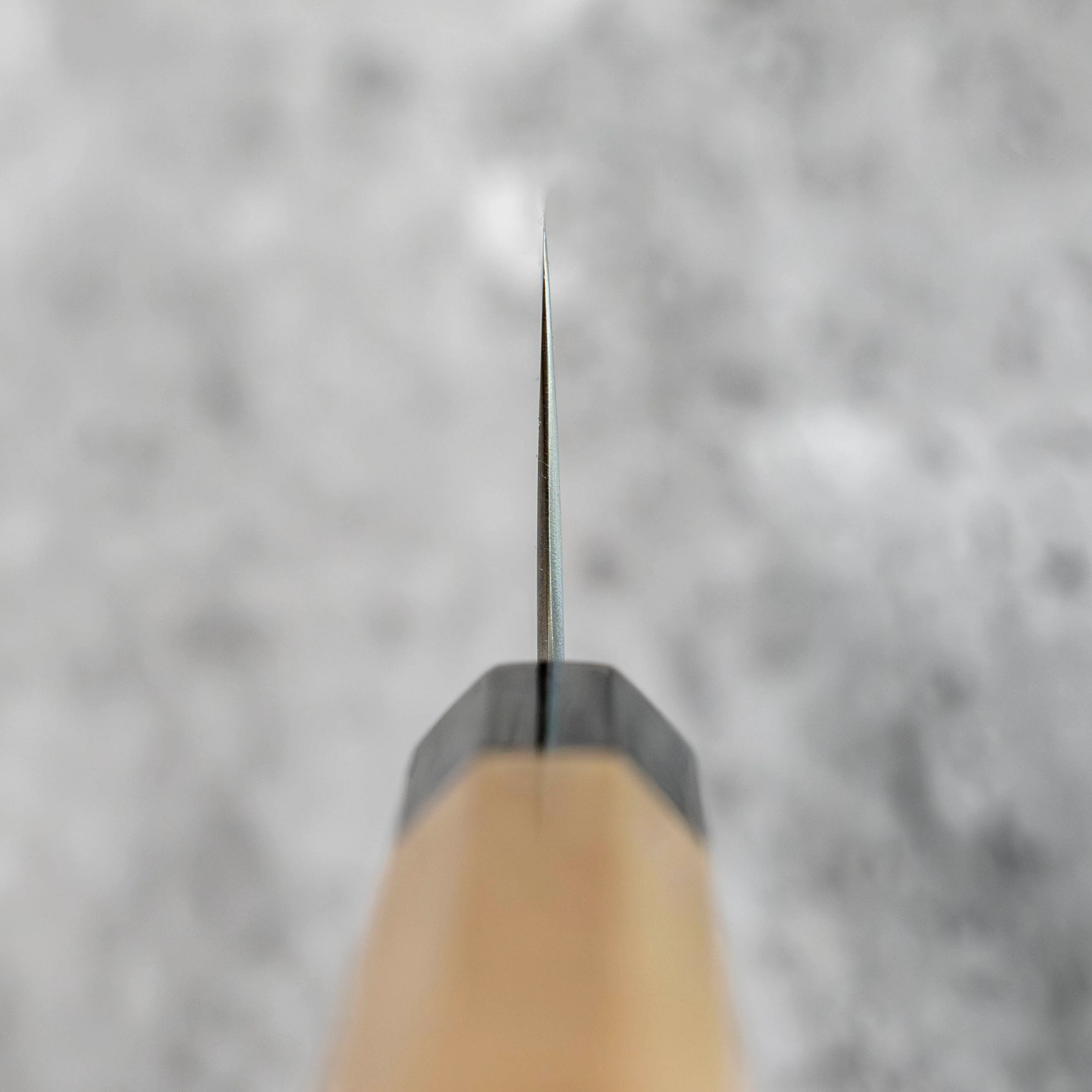
| Width at Spine | 2 mm |
| Weight | 105 grams |
| Bevel | Double |
Tosaichi
Located in Tosa city, Japan these knives are forged for us by a group of blacksmiths overseen by head blacksmith Suzuki-san. The history of Tosaichi Hamono can be traced back 800 years and is rooted in traditional forging techniques developed over the centuries coupled with new age techniques that make for some really beautiful knives at affordable prices. They work with a wide variety of steels which allows them to offer knives that are suitable for many people. Knives from the Tosaichi Shadow line are balanced forward but are overall quite light. They are thin at the spine and come quite thin behind the edge for a great cutting feel.
The Knife
Located in Tosa city, Japan these knives are forged for us by a group of blacksmiths overseen by head blacksmith Suzuki-san. The history of Tosaichi Hamono can be traced back 800 years and is rooted in traditional forging techniques developed over the centuries coupled with new age techniques that make for some really beautiful knives at affordable prices. They work with a wide variety of steels which allows them to offer knives that are suitable for many people. Knives from the Tosaichi Shadow line are balanced forward but are overall quite light. They are thin at the spine and come quite thin behind the edge for a great cutting feel.
The Knife
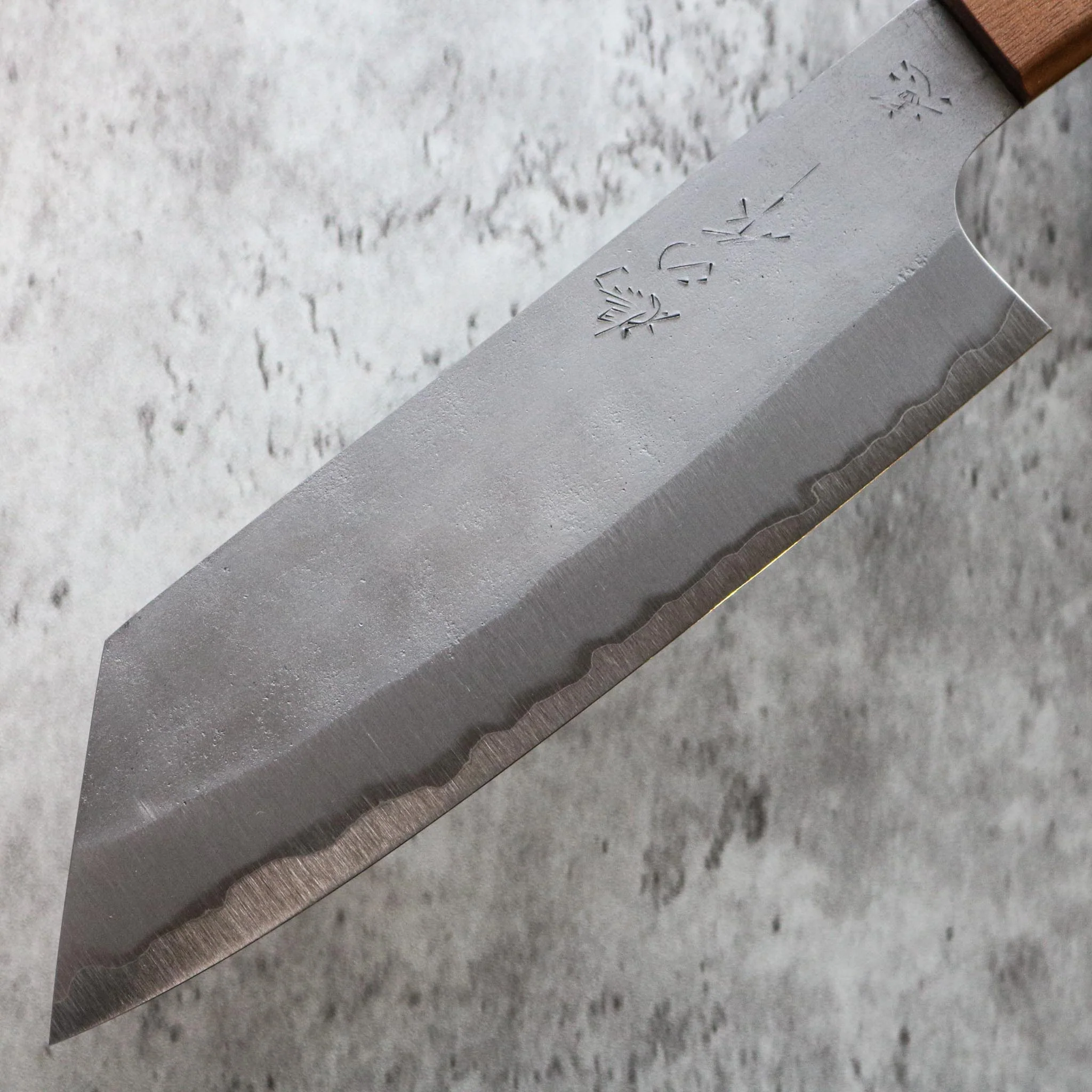
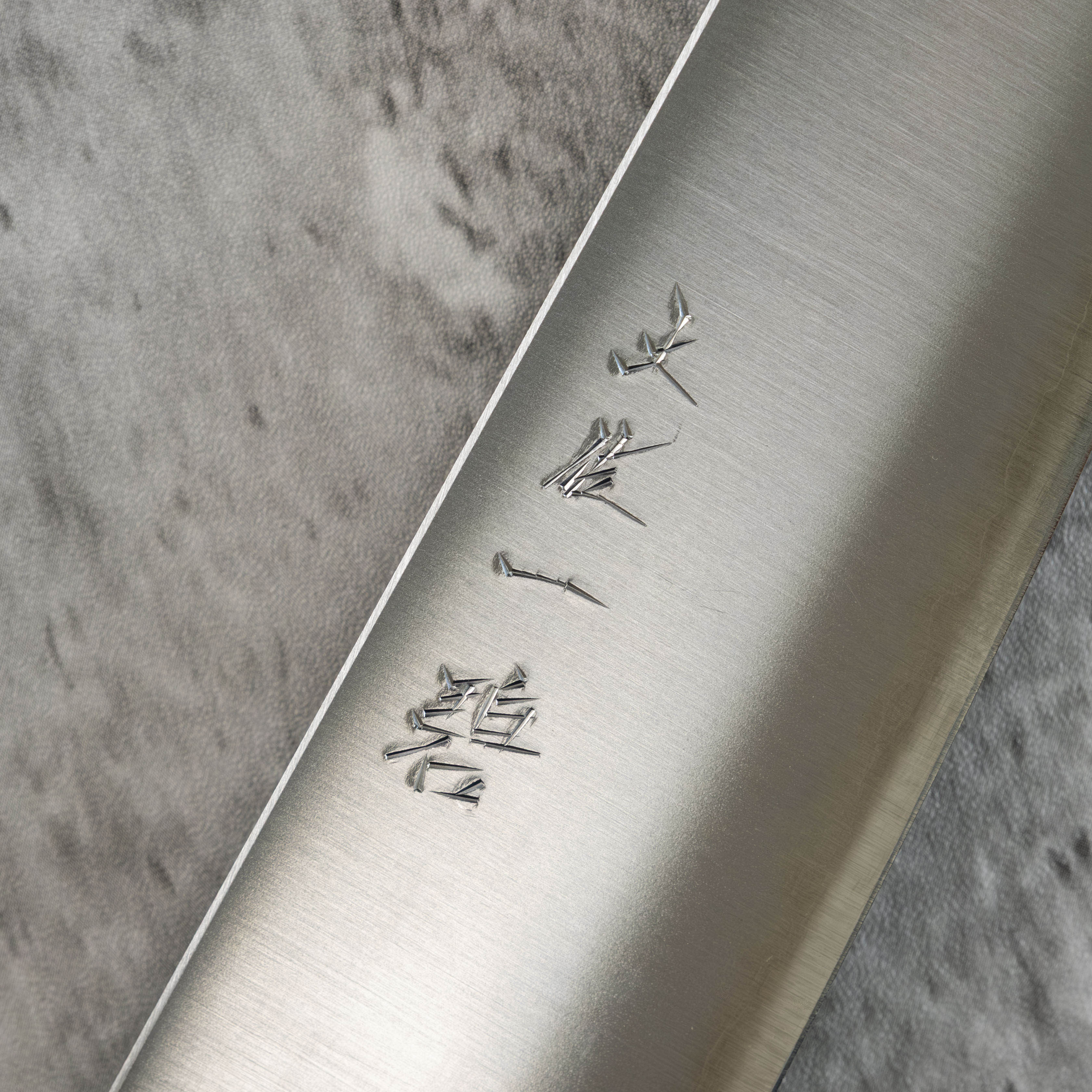
The Tosaichi Ao Super series of knives feature a stainless clad, Aogami-super core hardened to 62-63, magnolia handles with buffalo horn ferrules and a very sleek finish. While the term “laser” is very subjective we don’t often see knives much thinner and lighter than these. Practical and fun to use, we can’t see anyone being disappointed by one of these!
The Bunka is sort of a cross between a Nakiri and and Gyuto . It's tall blade and relatively flat profile make it ideal for up and down chopping up its aggressively shaped tip makes it adept at more intricate tasks as well. It's very similar to a santoku and is a great option for home cooks and professionals alike, who are looking for a nimble, but versatile blade.
The Bunka is sort of a cross between a Nakiri and and Gyuto . It's tall blade and relatively flat profile make it ideal for up and down chopping up its aggressively shaped tip makes it adept at more intricate tasks as well. It's very similar to a santoku and is a great option for home cooks and professionals alike, who are looking for a nimble, but versatile blade.
Knife Care (Stainless Clad)
- This knife is made from 3 layers of steel using a technique called Sanmai (Forge welding). It involves laminating a piece of Carbon steel with two pieces of Stainless steel giving the knife all the benefits of the carbon steel (Edge retention, ease of sharpening, cutting feel) and the Ease of Maintenance from Stainless steel. 2-3 millimeters of the carbon steel is exposed at the edge of the knife and is susceptible to rust and discouloration if not properly maintained.
- Simply Wipe the knife with a damp cloth immediately after use to keep it from rusting or discouloring.
- Wash with regular dish soap and warm water using a none abrasive sponge or cloth.
- Never put your knife in the Dishwasher. The extreme heat will ruin the wooden handle.
- Highly acidic ingredients (Onions, Tomatoes, Citrus) Will cause rust and oxidation to happen faster, thus the user must ensure the knife is wiped clean immediately after working with such an ingredient.
- Should any rust form it can be removed using a rust eraser or a mixture of Baking soda and water to simply scrub it clean.
- Avoid Bones, Frozen foods, nuts and hard candies or anything other than fruits, vegetables and proteins.
Product Information
Product Information
Shipping & Returns
Shipping & Returns


Tosaichi AO Super Bunka 170mm
Tosaichi AO Super Bunka 170mm
| Blade Length | 170 mm |
| Total Length | 310 mm |
| Steel | Aogami (Blue) Super (Stainless Clad) |
| Handle | Magnolia |
| Ferrule | Buffalo Horn |
| Rockwell | 62-63 |
| Height Spine to heel | 42 mm |
| Width at Spine | 2 mm |
| Weight | 105 grams |
| Bevel | Double |
Tosaichi
Located in Tosa city, Japan these knives are forged for us by a group of blacksmiths overseen by head blacksmith Suzuki-san. The history of Tosaichi Hamono can be traced back 800 years and is rooted in traditional forging techniques developed over the centuries coupled with new age techniques that make for some really beautiful knives at affordable prices. They work with a wide variety of steels which allows them to offer knives that are suitable for many people. Knives from the Tosaichi Shadow line are balanced forward but are overall quite light. They are thin at the spine and come quite thin behind the edge for a great cutting feel.
The Knife
Located in Tosa city, Japan these knives are forged for us by a group of blacksmiths overseen by head blacksmith Suzuki-san. The history of Tosaichi Hamono can be traced back 800 years and is rooted in traditional forging techniques developed over the centuries coupled with new age techniques that make for some really beautiful knives at affordable prices. They work with a wide variety of steels which allows them to offer knives that are suitable for many people. Knives from the Tosaichi Shadow line are balanced forward but are overall quite light. They are thin at the spine and come quite thin behind the edge for a great cutting feel.
The Knife
The Tosaichi Ao Super series of knives feature a stainless clad, Aogami-super core hardened to 62-63, magnolia handles with buffalo horn ferrules and a very sleek finish. While the term “laser” is very subjective we don’t often see knives much thinner and lighter than these. Practical and fun to use, we can’t see anyone being disappointed by one of these!
The Bunka is sort of a cross between a Nakiri and and Gyuto . It's tall blade and relatively flat profile make it ideal for up and down chopping up its aggressively shaped tip makes it adept at more intricate tasks as well. It's very similar to a santoku and is a great option for home cooks and professionals alike, who are looking for a nimble, but versatile blade.
The Bunka is sort of a cross between a Nakiri and and Gyuto . It's tall blade and relatively flat profile make it ideal for up and down chopping up its aggressively shaped tip makes it adept at more intricate tasks as well. It's very similar to a santoku and is a great option for home cooks and professionals alike, who are looking for a nimble, but versatile blade.
Knife Care (Stainless Clad)
- This knife is made from 3 layers of steel using a technique called Sanmai (Forge welding). It involves laminating a piece of Carbon steel with two pieces of Stainless steel giving the knife all the benefits of the carbon steel (Edge retention, ease of sharpening, cutting feel) and the Ease of Maintenance from Stainless steel. 2-3 millimeters of the carbon steel is exposed at the edge of the knife and is susceptible to rust and discouloration if not properly maintained.
- Simply Wipe the knife with a damp cloth immediately after use to keep it from rusting or discouloring.
- Wash with regular dish soap and warm water using a none abrasive sponge or cloth.
- Never put your knife in the Dishwasher. The extreme heat will ruin the wooden handle.
- Highly acidic ingredients (Onions, Tomatoes, Citrus) Will cause rust and oxidation to happen faster, thus the user must ensure the knife is wiped clean immediately after working with such an ingredient.
- Should any rust form it can be removed using a rust eraser or a mixture of Baking soda and water to simply scrub it clean.
- Avoid Bones, Frozen foods, nuts and hard candies or anything other than fruits, vegetables and proteins.
$49.27
Original: $140.76
-65%Tosaichi AO Super Bunka 170mm—
$140.76
$49.27Product Information
Product Information
Shipping & Returns
Shipping & Returns
Description
| Blade Length | 170 mm |
| Total Length | 310 mm |
| Steel | Aogami (Blue) Super (Stainless Clad) |
| Handle | Magnolia |
| Ferrule | Buffalo Horn |
| Rockwell | 62-63 |
| Height Spine to heel | 42 mm |
| Width at Spine | 2 mm |
| Weight | 105 grams |
| Bevel | Double |
Tosaichi
Located in Tosa city, Japan these knives are forged for us by a group of blacksmiths overseen by head blacksmith Suzuki-san. The history of Tosaichi Hamono can be traced back 800 years and is rooted in traditional forging techniques developed over the centuries coupled with new age techniques that make for some really beautiful knives at affordable prices. They work with a wide variety of steels which allows them to offer knives that are suitable for many people. Knives from the Tosaichi Shadow line are balanced forward but are overall quite light. They are thin at the spine and come quite thin behind the edge for a great cutting feel.
The Knife
Located in Tosa city, Japan these knives are forged for us by a group of blacksmiths overseen by head blacksmith Suzuki-san. The history of Tosaichi Hamono can be traced back 800 years and is rooted in traditional forging techniques developed over the centuries coupled with new age techniques that make for some really beautiful knives at affordable prices. They work with a wide variety of steels which allows them to offer knives that are suitable for many people. Knives from the Tosaichi Shadow line are balanced forward but are overall quite light. They are thin at the spine and come quite thin behind the edge for a great cutting feel.
The Knife
The Tosaichi Ao Super series of knives feature a stainless clad, Aogami-super core hardened to 62-63, magnolia handles with buffalo horn ferrules and a very sleek finish. While the term “laser” is very subjective we don’t often see knives much thinner and lighter than these. Practical and fun to use, we can’t see anyone being disappointed by one of these!
The Bunka is sort of a cross between a Nakiri and and Gyuto . It's tall blade and relatively flat profile make it ideal for up and down chopping up its aggressively shaped tip makes it adept at more intricate tasks as well. It's very similar to a santoku and is a great option for home cooks and professionals alike, who are looking for a nimble, but versatile blade.
The Bunka is sort of a cross between a Nakiri and and Gyuto . It's tall blade and relatively flat profile make it ideal for up and down chopping up its aggressively shaped tip makes it adept at more intricate tasks as well. It's very similar to a santoku and is a great option for home cooks and professionals alike, who are looking for a nimble, but versatile blade.
Knife Care (Stainless Clad)
- This knife is made from 3 layers of steel using a technique called Sanmai (Forge welding). It involves laminating a piece of Carbon steel with two pieces of Stainless steel giving the knife all the benefits of the carbon steel (Edge retention, ease of sharpening, cutting feel) and the Ease of Maintenance from Stainless steel. 2-3 millimeters of the carbon steel is exposed at the edge of the knife and is susceptible to rust and discouloration if not properly maintained.
- Simply Wipe the knife with a damp cloth immediately after use to keep it from rusting or discouloring.
- Wash with regular dish soap and warm water using a none abrasive sponge or cloth.
- Never put your knife in the Dishwasher. The extreme heat will ruin the wooden handle.
- Highly acidic ingredients (Onions, Tomatoes, Citrus) Will cause rust and oxidation to happen faster, thus the user must ensure the knife is wiped clean immediately after working with such an ingredient.
- Should any rust form it can be removed using a rust eraser or a mixture of Baking soda and water to simply scrub it clean.
- Avoid Bones, Frozen foods, nuts and hard candies or anything other than fruits, vegetables and proteins.